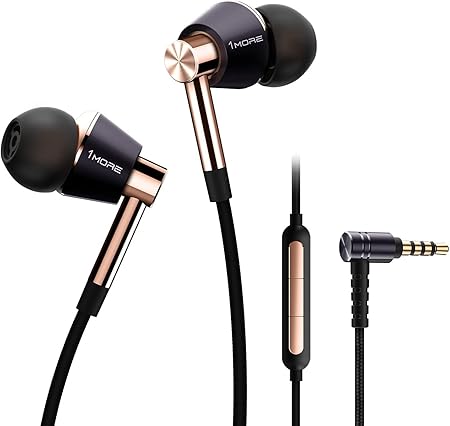
Sennheiser vs 1MORE : Overview & Brand Philosophy
The global audio market represents a dynamic clash between heritage engineering and modern, value-driven disruption. At the traditionalist end stands Sennheiser, a German titan founded in 1945 that has spent nearly eight decades shaping the sound of broadcasting, professional studio recording, and high-end consumer personal audio. Sennheiser’s philosophy is anchored in acoustic purity, psychoacoustic research, and premium German design. While the consumer division was acquired by the Swiss medical hearing specialist Sonova Holding AG in 2022, Sennheiser maintains an uncompromised commitment to neutral, reference-grade fidelity and luxury tier products spanning open-back audiophile headphones to industry-leading active noise canceling (ANC) travel cans.
Conversely, 1MORE entered the audio space in 2013 with a mission to radically democratize high-resolution sound. Headquartered in Shenzhen, China, and backed by major tech investors, 1MORE burst onto the international stage by delivering multi-driver acoustic configurations at prices that undercut established Western and Japanese manufacturers by wide margins. 1MORE’s design philosophy hinges on aggressive consumer value, modern aesthetic minimalism, and acoustic tuning verified by Grammy-winning sound engineer Luca Bignardi. Rather than catering exclusively to purist audiophiles, 1MORE focuses on feature-packed lifestyle devices—delivering flagship Bluetooth codecs, comfortable ergonomic fits, and robust active noise cancellation at entry-level to mid-range price points.
Pitting these brands against each other is an exploration of distinct audio priorities. Sennheiser represents the gold standard for acoustic pedigree, pristine soundstage presentation, and premium industrial design intended for discerning ears. 1MORE represents the pragmatic consumer champion, consistently testing how close a competitively priced earbud or headphone can get to top-tier performance without demanding top-tier capital.
Key Differences & Technological Comparison
The architectural divergence between Sennheiser and 1MORE begins with transducer engineering. Sennheiser relies heavily on proprietary single dynamic drivers, notably its bespoke TrueResponse 7mm transducers found in its high-end in-ear monitors (IEMs) and true wireless sets. Sennheiser posits that a precisely engineered single driver eliminates the phase distortion and crossover anomalies common in hybrid arrays. 1MORE takes the opposite route, often utilizing hybrid configurations featuring balanced armatures paired with dynamic drivers, or even carbon-coated diaphragm units. This gives 1MORE gear an energetic, highly detailed top-end and punchy low-end straight out of the box, whereas Sennheiser leans into wide frequency linearity, textured sub-bass extension, and micro-detail resolution.
When comparing wireless connectivity and digital signal processing, both brands deploy competitive Bluetooth codecs, but their target implementations differ. Sennheiser frequently integrates advanced codecs such as aptX Adaptive, aptX Lossless, and AAC alongside sophisticated companion software (the Sennheiser Smart Control app), which features parametric equalizers and dedicated Sound Personalization hearing tests. 1MORE, while matching LDAC and AAC support on models like the SonoFlow and Evo, focuses heavily on accessibility and out-of-the-box convenience, pairing its companion app with SoundID integration by Sonarworks to deliver tailored sound profiles swiftly.
Build quality and industrial ergonomics also reveal core differences. Sennheiser incorporates luxury lifestyle materials: brushed metals, acoustically transparent woven fabrics, and dense, durable polymers built to withstand years of everyday use. Their over-ear clamping force and ear-cup geometry reflect decades of ergonomic refinement. 1MORE emphasizes lightweight utility, making heavy use of matte plastics and aluminum accents to keep device weights down for daily commuting, workouts, and sleep monitoring. While 1MORE products are undeniably sleek and well-assembled for their price category, Sennheiser hardware possesses a mechanical density and serviceability—including easily swappable cables and earpads—that outclasses 1MORE over prolonged lifecycles.
Pros & Cons Comparison
Sennheiser
- Pros:
- Benchmark acoustic performance with spacious soundstaging and exceptional tonal balance.
- Premium construction utilizing high-grade plastics, fabrics, and metals for lasting durability.
- Broad support for audiophile-grade high-resolution codecs like aptX Adaptive and Lossless.
- Class-leading companion software featuring granular parametric EQ and hearing personalization.
- Extensive legacy support, modular components, and replaceable ear cushions.
- Cons:
- Significantly higher retail price point across both consumer and audiophile lineups.
- Active noise cancellation, while strong, typically trails behind class leaders like Sony and Bose.
- Occasional firmware stability hiccups reported during initial wireless device rollouts.
1MORE
- Pros:
- Exceptional price-to-performance ratio across in-ear and over-ear categories.
- Innovative multi-driver and hybrid acoustic arrays tuned by award-winning sound engineers.
- Inclusion of high-resolution codecs like LDAC at accessible, mid-tier price tiers.
- Ultra-compact, lightweight designs engineered for superior daily comfort and travel ease.
- Impressive battery life figures, often exceeding 50 to 70 hours on over-ear ANC models.
- Cons:
- Predominant reliance on lightweight plastics results in a less premium physical feel.
- Microphone call quality and wind noise mitigation can be inconsistent in harsh environments.
- Lower resale value and limited availability of official long-term replacement parts.
Performance, Durability & Value Analysis
From an acoustic performance standpoint, Sennheiser operates in a higher tier of fidelity. Products like the Momentum 4 Wireless or the IE series wired in-ears offer instrument separation, dynamic range, and harmonic neutrality that 1MORE’s consumer-centric hardware cannot fully match. In contrast, 1MORE trades surgical precision for high-energy consumer enjoyment. Products like the 1MORE SonoFlow over-ears and Evo earbuds provide remarkably clear treble, warm mids, and impactful bass that outperform nearly everything else in their sub-$150 price segments. In everyday scenarios—such as ambient noise reduction during a train commute—both brands handle low-frequency hums adeptly, though Sennheiser holds a clear edge in natural sound transparency modes.
Durability and long-term ownership heavily favor Sennheiser, though 1MORE dominates sheer value metrics. Sennheiser designs its headphones to last years; the structural integrity of its headbands, pivot points, and replaceable parts protect the user's investment. 1MORE products are well-built, but they are intrinsically designed around the disposable cycle of modern consumer electronics. Where 1MORE triumphs is upfront price-to-utility: a consumer can purchase a feature-complete 1MORE setup with ANC, LDAC, multi-point pairing, and custom EQ for less than half—and sometimes one-third—the price of a comparable Sennheiser flagship. If absolute acoustic perfection is not your sole prerequisite, 1MORE’s structural economy is exceptionally compelling.
Final Verdict: Which Brand Should You Choose?
Your choice between Sennheiser and 1MORE comes down to whether you prioritize legacy acoustic mastery or high-value modern practicality. If you consider yourself an audiophile, prioritize reference-grade instrument clarity, want deep soundstage immersion, and have a budget north of $250 to $400, Sennheiser is the undisputed choice. Its products are crafted for individuals who view audio hardware as a serious, long-term personal investment and demand authentic sound reproduction whether wired into a dedicated amplifier or streaming wirelessly on the go.
On the other hand, if you are a cost-conscious consumer, commuter, or student looking for maximum features per dollar, 1MORE is the clear winner. By offering LDAC support, highly competitive active noise cancellation, extremely long battery endurance, and comfortable designs at a fraction of premium retail pricing, 1MORE delivers 85% of the performance of prestige brands at less than half the cost. Choose Sennheiser for purist acoustic excellence and craftsmanship; choose 1MORE for smart, budget-conscious modern utility.
Features
When evaluating feature sets, 1MORE and Sennheiser represent fundamentally different engineering philosophies, contrasting accessible consumer versatility with audiophile-grade precision. 1MORE has established its reputation by democratizing premium hardware capabilities, packing an aggressive array of modern conveniences into highly competitive price points. Models like the SonoFlow and EVO boast robust feature checklists, including multi-mode Active Noise Cancellation (QuietMax technology), hi-res LDAC Bluetooth codec support, wear detection, and integrated spatial audio algorithms. Additionally, 1MORE incorporates unique lifestyle features, such as personalized sound profiling via SoundID and even sleep-tracking analytics in specialized models. However, while 1MORE checks nearly every contemporary feature box, the technical execution can occasionally feel surface-level; their companion app interface is somewhat cluttered, and their environmental noise cancellation can introduce subtle digital artifacts or alter the native frequency response when toggled.
Conversely, Sennheiser approaches features through the lens of acoustic integrity and proprietary German engineering, prioritizing functional excellence over sheer quantity. Anchored by the Smart Control companion ecosystem, Sennheiser devices—such as the Momentum 4 Wireless and Momentum True Wireless series—deliver best-in-class implementation of adaptive ANC, which measures ambient pressure and continuously adjusts without degrading the soundstage. Sennheiser's technical strengths lie in its bespoke processing features, including a sophisticated parametric equalizer, tailored "Sound Zones" that automate acoustic profiles based on geolocation, and native aptX Adaptive and Bluetooth LE Audio support for low-latency transmission. While Sennheiser may omit niche lifestyle gimmicks found on budget-tier competitors, their execution of foundational wireless features—such as multi-point Bluetooth handshakes, sidetone transparency during calls, and expansive 60-hour battery conservation systems—is markedly superior in stability and real-world reliability.
Ultimately, the practical trade-offs regarding features boil down to cutting-edge value versus refined execution. 1MORE offers the superior price-to-feature ratio, making high-end amenities like multi-driver hybrids and hi-res wireless codecs accessible to mainstream consumers who want maximum utility without a steep financial barrier. Sennheiser, on the other hand, demands a premium investment but rewards users with deep, meticulously calibrated technical features designed not to distract, but to optimize the listening experience. For users seeking an exhaustive digital toolbox on a budget, 1MORE delivers undeniable appeal, but listeners who prioritize seamless multi-device stability, class-leading adaptive acoustics, and professional-grade customization will find Sennheiser’s feature ecosystem far more polished and enduring.
Performance
When evaluating core acoustic performance, Sennheiser operates in an echelon that few consumer audio brands can match, drawing on decades of audiophile-grade transducer engineering. Across both their premium true wireless earbuds, like the Momentum series, and their legendary reference-grade over-ear headphones, Sennheiser delivers an authentic, neutral-to-warm sound signature characterized by profound dynamic range, exceptional instrument separation, and pristine high-frequency extension without sibilance. In contrast, 1MORE approaches sound engineering through accessible acoustic versatility, often deploying hybrid multi-driver configurations (combining balanced armatures with dynamic drivers) and proprietary tuning from Grammy-winning sound engineers. While 1MORE consistently outperforms its budget-to-midrange price class by delivering punchy, articulate bass and lively mids, it lacks the surgical micro-detail, expansive soundstage imaging, and harmonic accuracy that define Sennheiser’s high-fidelity performance.
In terms of signal processing and supplemental performance features, both brands tackle active noise cancellation (ANC), codec support, and wireless stability through distinct engineering philosophies. Sennheiser leverages high-end proprietary TrueResponse transducers alongside sophisticated hybrid ANC systems that suppress ambient low- and mid-frequency noise without compromising acoustic integrity or introducing perceptible cabin pressure. They also lead in high-resolution transmission, frequently supporting advanced codecs like aptX Adaptive and LDAC for minimal latency and uncompressed playback. 1MORE counters with its proprietary QuietMax ANC technology, which offers impressive ambient attenuation for daily commutes alongside robust call-clarity algorithms powered by multi-mic arrays and environmental noise cancellation. However, under heavy DSP (digital signal processing) loads, 1MORE's audio output can exhibit mild digital artifacts or dynamic compression, an acoustic trade-off that Sennheiser’s refined signal pathways successfully avoid.
Ultimately, the performance trade-off between the two brands centers on acoustic perfection versus high-utility value. Sennheiser remains the undisputed choice for critical listeners and audiophiles who prioritize sheer fidelity, nuanced transient response, and a pure, uncolored listening experience, albeit at a steep premium and occasionally with firmware quirks. Conversely, 1MORE excels at delivering 85 to 90 percent of that high-end performance threshold at a fraction of the cost, making it the superior technical performer for everyday consumers seeking punchy, enjoyable audio paired with dependable daily features. While Sennheiser wins on raw acoustic authority and precision, 1MORE represents a masterclass in modern acoustic efficiency and accessible mainstream performance.
Design
When evaluating design engineering and physical construction, Sennheiser and 1MORE represent two fundamentally different philosophies. Sennheiser, a heritage audio powerhouse, approaches industrial design with a minimalist, functional European aesthetic focused on acoustic integrity and long-term durability. Across both their high-end audiophile cans, such as the HD 600 and HD 800 series, and consumer-tier products like the Momentum 4 and Momentum True Wireless lines, Sennheiser leverages robust materials including woven fabric headbands, high-grade polymers, and lightweight metals. Their engineering prioritizes acoustic space, precise transducer placement, and optimal airflow, resulting in products that minimize mechanical resonance. In contrast, 1MORE adopts an ultra-modern, lifestyle-centric approach, frequently deploying aerospace-grade aluminum alloys, diamond-cut CNC finishes, and compact form factors (evident in models like the SonoFlow and the Triple/Quad Driver series). 1MORE excels at delivering a premium tactile feel at accessible price points, featuring sleek, jewelry-like accents and highly portable silhouettes that cater directly to the everyday commuter.
The feature sets and technical executions of these design languages reveal significant practical trade-offs, particularly regarding ergonomics and user interface. Sennheiser’s physical architecture is notoriously utilitarian; over-ear designs emphasize deep, contoured memory foam earcups covered in velour or premium protein leather to distribute clamping force evenly for marathon listening sessions. However, Sennheiser's true wireless cases and full-sized headphones can be bulky and less pocket-friendly, prioritizing battery housing and acoustic chambers over sleekness. 1MORE, conversely, prioritizes extreme portability and streamlined ergonomics. Their earbud stems and enclosures are mathematically optimized for universal canal fits, often resulting in lower-profile, lighter in-ear units that feel less fatiguing during casual use. Yet, 1MORE's tactile elements, such as micro-switches and plastic pivot hinges, occasionally lack the rugged, serviceable feel found in Sennheiser's replaceable cables, swappable ear pads, and modular componentry.
Ultimately, the design choice between 1MORE and Sennheiser hinges on the user's priority between utilitarian acoustic longevity and contemporary, high-value portability. Sennheiser is the superior choice for buyers seeking timeless, purpose-built engineering where materials and chassis geometry are tuned specifically to enhance the soundstage, isolate noise passively, and endure years of demanding daily wear. 1MORE holds the technical advantage for consumers seeking lightweight agility, sophisticated styling, and metallic premium finishes packed into pocket-friendly designs that punch well above their weight class without demanding the substantial physical footprint or financial investment typical of Sennheiser’s hardware.
Compare current retail pricing, active promotions, and verified stock availability directly from authorized stores: