JBL vs Sennheiser: Overview & Brand Philosophy
When navigating the personal audio landscape, few matchups present such a distinct clash of design philosophies as JBL and Sennheiser. JBL, a cornerstone of the Harman International empire (and by extension, Samsung), has built its reputation on delivering dynamic, high-energy sound paired with rugged, lifestyle-oriented engineering. Rooted heavily in live concert sound reinforcement and modern consumer appeal, JBL targets the everyday listener, the fitness enthusiast, and the commuter who demands punchy bass, vivid styling, and accessible price points across its extensive lineup of wireless headphones and true wireless stereo (TWS) earbuds.
Conversely, Sennheiser represents the vanguard of German acoustic engineering, with a lineage stretching back to 1945. Renowned primarily among audiophiles, sound engineers, and studio professionals, Sennheiser's consumer division (now operated under license by the Sonova Group) prioritizes uncompromised acoustic fidelity, expansive soundstaging, and reference-grade neutrality. Where JBL views personal audio as an accompaniment to an active, social lifestyle, Sennheiser treats it as an immersive, analytical listening experience designed to reproduce music precisely as the recording engineer intended.
Understanding this fundamental divergence is essential for prospective buyers. JBL engineers products designed to survive the elements while injecting immediate excitement into modern compressed music genres like hip-hop, pop, and electronic dance music. Sennheiser, meanwhile, channels decades of proprietary transducer development into delivering high-resolution codec support, natural frequency response curves, and sophisticated active noise cancellation (ANC) aimed at discerning listeners who prioritize sonic texture and long-session comfort over casual durability.
Key Differences & Technological Comparison
The technological divide between JBL and Sennheiser manifests most clearly across acoustic tuning, driver architecture, codec support, and software ecosystems. Evaluating these components reveals why each brand attracts a radically different segment of the audio market.
Acoustic Architecture and Sound Profiles: JBL predominantly utilizes the scientifically developed Harman Target Curve across its modern product lines, albeit frequently tilted with an aggressive low-end shelf known commercially as "JBL Pure Bass." This tuning delivers authoritative sub-bass response and accentuated upper midrange frequencies, ensuring audio cuts through noisy ambient environments. Sennheiser relies on its proprietary TrueResponse 7mm dynamic transducers—manufactured in Germany and Ireland—which favor acoustic precision. Sennheiser’s sound signature is characterized by linear bass extension that does not bleed into the lower midrange, exceptionally detailed highs, and a balanced vocal presence that excels across complex acoustic, classical, and rock arrangements.
Bluetooth Codecs and Wireless Transmission: Sennheiser consistently leads in high-resolution wireless transmission. Most premium Sennheiser headphones and earbuds (such as the Momentum 4 Wireless and Momentum True Wireless 4) support advanced codecs including aptX Adaptive, aptX Lossless, and LC3/Auracast, enabling low-latency, 24-bit/96kHz transmission when paired with compatible source hardware. JBL, conversely, prioritizes universal stability and battery efficiency over bitrates. Outside of niche models, JBL heavily relies on standard SBC and AAC codecs, catering to mass-market streaming services like Spotify or Apple Music rather than uncompressed, lossless platforms like Tidal or Qobuz.
Active Noise Cancellation (ANC) and Ambient Tech: In the active noise cancellation arena, Sennheiser generally delivers superior adaptive attenuation, utilizing multi-microphone hybrid arrays that actively calibrate filter intensity according to ambient pressure and external noise levels. JBL's "True Adaptive Noise Cancelling" has improved dramatically in recent generations—notably within the Tour and Live series—offering exceptional wind noise reduction and aggressive low-frequency isolation, though occasionally introducing a mild baseline hiss ("cabin pressure") absent in Sennheiser’s smoother algorithms.
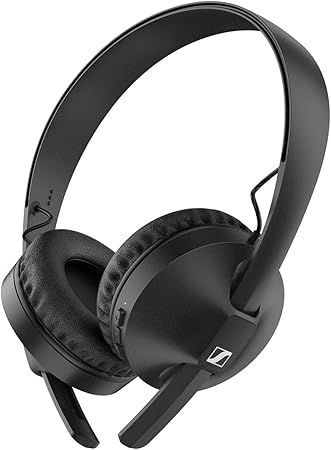
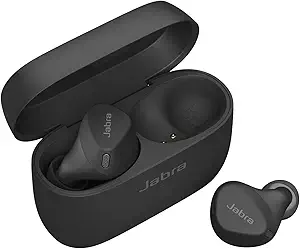
Build Quality, Ergonomics, and Hardware Integration: JBL emphasizes environmental resistance, routinely securing IP68 and IPX5 ratings for its earbuds, featuring sweat-resistant finishes, and incorporating reinforced polycarbonate frames built for drops, gym sessions, and travel. A recent JBL innovation includes smart charging cases equipped with interactive LED touchscreens for on-the-fly EQ and playback control without opening a phone. Sennheiser takes a more premium, minimalist approach, incorporating brushed aluminum accents, woven fabric charging cases, and memory-foam ear cushions wrapped in soft synthetic leather. However, Sennheiser earbuds often feature lower water-resistance ratings (typically IPX4), making them less suited for intense physical activity.
Pros & Cons Comparison
JBL Headphones & Earbuds
- Pros:
- Energetic, bass-rich sound signature optimized for modern genres and workout environments.
- Superior water, sweat, and dust resistance ratings (up to IP68) across sport-centric lines.
- Highly competitive pricing with excellent feature-to-cost ratios across entry and mid-tier brackets.
- Feature-packed companion app offering deep, user-friendly multi-band parametric equalization.
- Innovative hardware additions, including responsive touchscreen-integrated charging cases.
- Cons:
- Limited audiophile codec support (generally lacking aptX Adaptive and LDAC).
- Heavy reliance on plastics in build construction compared to premium competitors.
- Factory tuning can sometimes feel overly sculpted or fatiguing during analytical listening.
Sennheiser Headphones & Earbuds
- Pros:
- Exceptional acoustic accuracy, instrument separation, and natural spatial reproduction.
- Comprehensive high-resolution codec support (aptX Adaptive, aptX Lossless, LC3).
- Industry-leading battery life on flagship over-ear models (up to 60 hours on the Momentum 4).
- Premium design aesthetics utilizing sophisticated textiles, metals, and plush ergonomics.
- Advanced adaptive ANC that adjusts seamlessly without degrading frequency response.
- Cons:
- Significantly higher barrier to entry regarding cost across both flagship and mid-tier models.
- Lower environmental protection ratings, limiting usability for high-impact workouts.
- Companion app connectivity and firmware update processes can occasionally suffer from sluggishness.
Performance, Durability & Value Analysis
From an operational standpoint, both brands offer reliable hardware, but their lifespans depend largely on use-case scenarios. JBL products are built to endure mechanical stress, drops, and moisture exposure. The structural plastics used across their Tune, Live, and Endurance series resist cosmetic damage, and their high IP ratings ensure internal seals remain impervious to sweat degradation. In terms of pure monetary value, JBL dominates the sub-$150 marketplace; consumers frequently obtain features like multipoint Bluetooth, acceptable ANC, and 30+ hours of battery reserve at accessible price points, making them a low-risk, high-utility investment for mainstream consumers.
Sennheiser operates in a higher tier of long-term value, focusing on acoustic longevity rather than physical ruggedness. An investment in high-end Sennheiser hardware pays dividends through generational acoustic performance—their drivers rarely exhibit distortion drift over years of playback, and physical contact points (such as ear pads and cables on over-ear models) are systematically replaceable by the user. Battery performance on Sennheiser's flagship over-ear units sets class benchmarks, with the Momentum 4 providing nearly double the operational longevity of competing models per charge cycle. While the initial capital outlay is notably higher, the return on investment comes through enduring acoustic pleasure and build refinement that resists premature obsolescence.
Final Verdict: Which Brand Should You Choose?
Selecting between JBL and Sennheiser ultimately requires aligning your listening habits, primary use environments, and budget with each manufacturer's core competencies:
Choose JBL if: You are seeking a rugged, reliable audio companion for daily commutes, fitness routines, and outdoor utility. If your playlist leans heavily toward modern pop, hip-hop, or electronic music, and you prioritize impactful bass, straightforward controls, high environmental weather-sealing, and maximum features per dollar spent, JBL represents the most practical and wallet-friendly choice.
Choose Sennheiser if: Critical sound quality, acoustic accuracy, and audio resolution are your non-negotiable priorities. If you listen to complex musical arrangements, utilize lossless streaming platforms, demand class-leading battery endurance for long-haul travel, and appreciate refined industrial design over ruggedized plastics, Sennheiser stands as the definitive, audiophile-grade choice.
Features
When evaluating the feature ecosystem of personal audio, JBL and Sennheiser diverge sharply between mass-market utility and audiophile-centric customization. JBL builds its products around high-impact, lifestyle-oriented features engineered for everyday convenience and social use. Through the robust JBL Headphones companion app, users gain access to comprehensive multi-band EQ presets, distinct ambient awareness modes like Ambient Aware and TalkThru, and custom controls for voice assistants. JBL excels in lifestyle-first innovations, offering multi-point Bluetooth pairing across nearly its entire catalog, exceptional ingress protection (often rating IP68 in their endurance and sport tiers), and pioneering consumer features such as smart charging cases equipped with integrated LED touchscreens. While JBL’s Active Noise Cancellation (ANC) relies on effective, high-gain algorithms optimized for commuting and masking low-frequency transit rumble, it lacks the nuanced acoustic balance found in higher-end engineering.
Conversely, Sennheiser approaches features through the lens of electroacoustic precision and technical sophistication. Anchored by the Smart Control app, Sennheiser integrates high-grade DSP (Digital Signal Processing) options such as Sound Personalization, which conducts an interactive hearing test to tailor equalization to individual ear acoustics. Sennheiser’s technical strengths lie in its premium hardware-level feature set: cutting-edge TrueResponse 7mm transducers, aptX Adaptive and Lossless codec support alongside standard AAC/SBC, and multi-microphone arrays designed for advanced wind-noise reduction. Its hybrid adaptive ANC automatically modulates attenuation in real time based on ambient pressure and noise density, yielding a natural soundstage without the high-pressure acoustic "hiss" common in budget active attenuation systems. However, this focus on acoustic purity means Sennheiser often excludes novelty features, features lower average IP water-resistance ratings (typically IPX4 or IP55), and carries a much steeper learning curve for non-technical users.
Ultimately, the trade-offs highlight different consumer priorities: JBL optimizes for active lifestyle versatility, rapid connectivity, and broad accessibility, whereas Sennheiser prioritizes audio fidelity, advanced codec pipelines, and acoustic refinement. Consumers prioritizing rugged durability, battery longevity per dollar, intuitive touch controls, and everyday functionality will find JBL’s expansive feature set exceptionally practical. In contrast, critical listeners seeking granular control over the sound envelope, state-of-the-art wireless transmission codecs, and transparent ambient modes will find Sennheiser’s purpose-driven engineering far superior, accepting the trade-off of a higher price floor and fewer ruggedized, gym-ready protections.
Performance
When evaluating performance, Sennheiser and JBL represent fundamentally divergent acoustic philosophies, each engineered to excel in different listening environments. Sennheiser prioritizes audiophile-grade fidelity, leveraging proprietary TrueResponse transducers, high-grade acoustic dampening, and advanced Bluetooth codec support—including aptX Adaptive and LDAC on select models. This results in an exceptionally neutral, balanced frequency response characterized by sparkling highs, transparent mids, and tight, controlled bass. Instrumental separation and soundstage expansiveness are class-leading in Sennheiser's premium consumer line (such as the Momentum series) and legendary in their open-back audiophile hardware. Conversely, JBL leans into high-energy, consumer-friendly dynamics driven by its signature "Pure Bass" tuning. JBL drivers are engineered to deliver forceful, resonant low-end punch and elevated upper-mid frequencies designed to power through ambient noise, making them ideal for modern pop, hip-hop, and high-tempo workout playlists, albeit at the expense of microscopic detail and absolute harmonic accuracy.
In terms of signal processing and real-world feature execution, both brands demonstrate distinct technical strengths. Sennheiser excels in delivering an uncompromising listening experience where active noise cancellation (ANC) works transparently, attenuating ambient noise without introducing cabin pressure or altering the underlying audio profile. However, JBL counters with robust practical performance, particularly in RF stability, low-latency connectivity, and environmental durability. JBL’s algorithmic integration in models like the Tour PRO series pushes modern smart features, incorporating dynamic multi-point switching, responsive talk-thru capabilities, and exceptionally high maximum SPL output without noticeable clipping or digital distortion. Sennheiser's ANC algorithms are generally more nuanced at suppressing complex, dynamic low-frequency sounds, whereas JBL's hybrid ANC performs admirably with steady, low-end drone frequencies but struggles slightly more with unpredictable high-frequency chatter.
The performance trade-off between the two brands ultimately hinges on whether a user values clinical precision or high-impact energy. Sennheiser is the superior technical performer for critical listening, vocal clarity, and expansive spatial imaging, making it the preferred choice for discerning listeners who appreciate subtle mastering details across complex genres like classical, jazz, and progressive rock. JBL trades that refined acoustic staging for visceral impact, rugged everyday resilience, and a fun, punchy sound signature that thrives in loud, active settings like gyms and daily commutes. For sheer acoustic performance and high-resolution fidelity, Sennheiser takes the lead, while JBL claims the advantage for bass-forward immediacy, overall volume headroom, and athletic utility.
Design
When evaluating the design philosophy of JBL versus Sennheiser in the headphone and earbud space, consumers are confronted with two fundamentally different engineering mindsets: lifestyle-driven durability versus audiophile-centric acoustic precision. JBL, under the Harman/Samsung umbrella, prioritizes an energetic, urban aesthetic marked by robust, high-impact polycarbonate shells, rubberized bumpers, and bold branding. This pragmatic build quality is engineered for mobility and high-intensity use, frequently incorporating generous ingress protection ratings (such as IPX7 or IP68 in their sport-focused endurance lines) that safeguard internal drivers from sweat and harsh weather. Their ergonomics lean toward high-clamping force and secure-fit mechanical designs—such as TwistLock ear-hook architectures—which excel at physical stability during movement, though they can occasionally induce localized pressure fatigue during multi-hour listening sessions.
Conversely, Sennheiser champions a refined, minimalist European industrial design that favors acoustic architecture and long-term ergonomics over sheer environmental resilience. Sennheiser’s portfolio—spanning the consumer-focused Momentum and Accentum lines to their reference-grade HD series—showcases premium material deployment, including lightweight aluminum yokes, acoustically transparent mesh grilles, and memory foam ear pads wrapped in plush leatherette or breathable velour. From a mechanical engineering standpoint, Sennheiser minimizes acoustic resonance through meticulously engineered internal driver chambers and open-back ear-cup geometries that expand the perceived soundstage. While their consumer true-wireless earbuds feature sleek, textile-wrapped charging cases and tactile capacitive touch surfaces, they typically offer more conservative water-resistance ratings (rarely exceeding IPX4) and a more relaxed clamping force optimized for stationary desk comfort rather than vigorous outdoor activity.
Ultimately, the practical trade-offs regarding design center on lifestyle versatility versus structural sophistication. JBL delivers high utility with foldable, highly transportable hinges, reinforced stress points, and vibrant color palettes designed to withstand rough, tossed-in-a-backpack daily commutes. Sennheiser compromises on ruggedness to achieve exceptional weight distribution, superior passive airflow, and an understated aesthetic that feels at home in both an executive lounge and a dedicated audio studio. For users seeking utilitarian durability and sweat-proof security, JBL’s rugged industrial design holds the clear edge; however, buyers prioritizing premium tactile finishes, fatigue-free headband suspension, and mechanically superior acoustic housing will find Sennheiser’s sophisticated craftsmanship far more compelling.