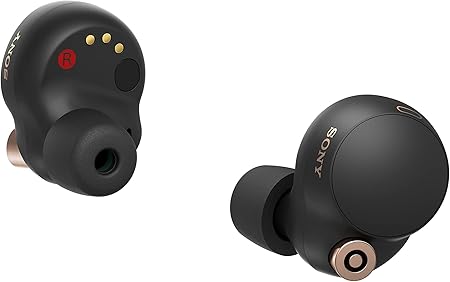
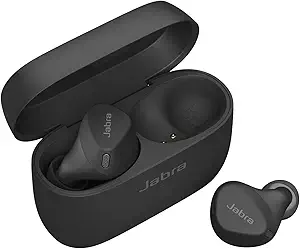
Sony vs JBL: Overview & Brand Philosophy
In the competitive personal audio landscape, few names carry as much historical weight or consumer recognition as Sony and JBL. Sony, the Japanese consumer electronics titan, approaches personal audio with an engineering-first philosophy aimed at high-resolution acoustic reproduction, market-leading active noise cancellation (ANC), and sophisticated digital signal processing. Since revolutionizing portable music with the Walkman in 1979, Sony has consistently targeted audiophiles, commuters, and professionals who demand bleeding-edge audio codecs, deep customization, and class-leading isolation technologies across flagship models like the WH-1000XM series and the WF-1000XM in-ear equivalents.
Conversely, JBL—operating as a marquee consumer brand under the Harman International umbrella (a subsidiary of Samsung Electronics)—is rooted in the high-energy environments of professional live sound, recording studios, and arena-filling concert venues. JBL translates this heritage into consumer personal audio via the renowned "JBL Signature Sound," which emphasizes dynamic transients, energetic treble, and punchy, tactile bass response. JBL’s brand philosophy centers on accessibility, rugged durability, lifestyle integration, and high price-to-performance ratios, delivering an expansive portfolio ranging from budget-friendly gym earbuds to feature-packed over-ear headphones.
While Sony positions its catalog primarily around smart features, premium materials, and technical acoustics, JBL thrives on lifestyle utility, IP-rated environmental protection, and accessible acoustic profiles tuned to the Harman Curve. Understanding this foundational divide in design intent is essential for consumers looking to invest in personal audio hardware that matches their specific lifestyle, listening preferences, and daily usage demands.
Key Differences & Technological Comparison
The technological architectures of Sony and JBL diverge across proprietary processing chips, active noise cancellation implementations, Bluetooth codecs, and acoustic tuning strategies.
Active Noise Cancellation & Signal Processing
Sony sets the global gold standard for hybrid active noise cancellation. Leveraging proprietary silicon such as the Integrated Processor V1, V2, and the dedicated HD Noise Cancelling Processor QN1, Sony units deploy dual or multi-microphone arrays per ear cup alongside real-time algorithmic environmental sensing. This architecture delivers unmatched suppression of low-frequency ambient rumble and complex mid-range sounds, such as human voices. JBL employs adaptive noise cancelling across its Tour and Live series, which functions reliably against sustained, low-frequency sounds (such as engine hums) but lacks the nuanced, multi-point attenuation and high-frequency isolation found in Sony's flagship designs.
Acoustic Profiles & Driver Engineering
Sony leans into rich, warm, and highly customizable sound profiles powered by custom dynamic driver units (such as the Dynamic Driver X) and carbon fiber composite domes. Sony frequently integrates its proprietary DSEE Extreme (Digital Sound Enhancement Engine), which uses artificial intelligence to upscale compressed digital audio files in real time. JBL designs its drivers around high-sensitivity neodymium magnets with an acoustic tuning closely aligned with the Harman Target Curve—delivering forward-leaning mid-bass, crisp vocal presence, and an engaging, energetic soundstage tailored for modern pop, hip-hop, and electronic music.
Codec Support & Connectivity
For high-resolution streaming, Sony holds a definitive technical advantage with LDAC, its proprietary Bluetooth codec capable of transmitting up to 990 kbps at 24-bit/96kHz. This makes Sony the preferred ecosystem for Android users and audiophiles utilizing high-resolution streaming platforms like Tidal or Qobuz. JBL primarily focuses on universal compatibility, relying on the standard SBC and AAC codecs. While modern JBL units feature Bluetooth 5.3, LE Audio support, and multipoint switching, they rarely cater to the uncompressed, bit-perfect transmission tier prioritized by Sony.
Companion Software & Smart Ecosystem
The Sony Headphones Connect application is a technical control center offering comprehensive parameter controls, including 20-level ambient sound adjustments, atmospheric pressure optimization for air travel, Speak-to-Chat functionality, head-tracking spatial audio (360 Reality Audio), and full parametric equalization. The JBL Headphones app is clean, responsive, and exceptionally user-friendly, offering customized listening profiles through Personi-Fi 2.0, multi-band EQ presets, and touch control mapping, though it lacks the advanced spatial mapping and automated behavioral switching built into Sony's hardware.
Pros & Cons Comparison
Sony Headphones & Earbuds
- Pros:
- Industry-leading Active Noise Cancellation (ANC) performance.
- High-resolution wireless playback support via the proprietary LDAC codec.
- Sophisticated smart features (Speak-to-Chat, location-based profile switching).
- Advanced companion application with detailed parametric EQ and 360 Reality Audio.
- Exceptional battery endurance on over-ear flagships with rapid-charging efficiency.
- Cons:
- Significantly higher price tier across flagship product lines.
- In-ear models generally offer lower IP water-resistance ratings (typically IPX4) compared to JBL's sport offerings.
- Out-of-the-box acoustic tuning can skew overly bass-heavy and requires manual EQ calibration for neutral response.
JBL Headphones & Earbuds
- Pros:
- Exceptional cost-to-performance ratio across entry-level and mid-range tiers.
- Signature energetic sound profile aligned with the Harman Curve right out of the box.
- Superior ruggedness and water/dust ingress protection (frequently IP67 or IP68 in sport models).
- Intuitive, streamlined mobile software interface with responsive Personi-Fi hearing tests.
- Diverse portfolio catering to specialized form factors (e.g., smart cases with integrated touchscreens, wrap-around sport hooks).
- Cons:
- Absence of advanced high-resolution codecs like LDAC or aptX Adaptive.
- ANC efficiency trails behind Sony, particularly in subduing erratic, mid-to-high frequency noises.
- Higher percentage of hard plastic components used in mid-tier and budget assemblies.
Performance, Durability & Value Analysis
From an endurance and material standpoint, both manufacturers design products built to withstand years of regular use, but they allocate manufacturing resources differently. Sony concentrates build quality on tactile comfort, deploying synthetic protein leathers, memory foam cushioning, and silent hinge mechanisms engineered to prevent chassis creaking during head movement. However, Sony earbud shells prioritize micro-electronics over aggressive weatherization, mostly holding an IPX4 splash-resistance rating. JBL focuses heavily on structural rigidity and environmental defense. Their lifestyle and athletic lines frequently feature high-grade polycarbonate shells, reinforced silicone grips, and high-tier IP67/IP68 ingress ratings, making JBL products considerably more resilient against heavy perspiration, rainfall, and accidental drop impacts.
From a financial and value perspective, JBL dominates the consumer-friendly price brackets under $150. A mid-tier JBL product typically matches or exceeds the battery performance and durability of its competitors while retaining reliable core acoustics. Sony, while competing selectively in lower price tiers with models like the WH-CH720N, concentrates its maximum value realization in the premium tier above $250. When consumers purchase Sony's top-tier devices, they pay for best-in-class computational acoustics, unmatched ANC performance, and future-proofed wireless fidelity that retain operational relevance and resale value across extended lifespans.
Final Verdict: Which Brand Should You Choose?
Your choice between Sony and JBL ultimately comes down to your primary use case, listening environment, and acoustic expectations:
Choose Sony if: You are a frequent traveler, commuter, or professional who requires the absolute best active noise cancellation available to create a silent working space. Sony is also the clear winner for audiophiles and critical listeners using high-resolution streaming services on Android devices who want the expanded bandwidth of the LDAC codec, alongside consumers who value automated smart features and deep application customization.
Choose JBL if: You prioritize physical durability, high-energy acoustic tuning, and budget optimization. If you need secure, water-resistant in-ear monitors for high-intensity workouts, outdoor running, or gym use, JBL provides superior weatherproofing and tactile security at a fraction of the cost. JBL is similarly ideal for casual everyday listeners who desire punchy, fun sound without having to navigate complex software menus or pay a premium for enterprise-level active noise reduction.
Features
When evaluating the feature ecosystem in the personal audio landscape, Sony establishes itself as a technologically sophisticated innovator, whereas JBL leans into functional utility and lifestyle-oriented convenience. Sony’s engineering philosophy centers on proprietary digital processing, best exemplified by its class-leading Active Noise Cancellation (ANC) powered by dedicated silicon such as the Integrated Processor V2 and HD Noise Canceling Processor QN1. Beyond suppression of ambient sound, Sony leads the industry in context-aware automation; features like "Speak-to-Chat," Quick Attention mode, and location-based Adaptive Sound Control seamlessly modulate audio profiles based on user behavior and geography. Furthermore, Sony prioritizes high-fidelity wireless transmission by integrating its proprietary LDAC codec alongside DSEE Extreme audio upscaling, ensuring high-resolution playback that appeals directly to audiophiles and detail-oriented listeners via their granular Headphones Connect app.
Conversely, JBL, under the Harman/Samsung umbrella, prioritizes robust, everyday functionality engineered for mass-market versatility, fitness, and casual use. While JBL’s upper-tier models feature competent Adaptive Noise Cancelling, their primary technological strengths lie in accessible, social, and durability-focused utilities. JBL shines with features such as ambient awareness modes ("TalkThru" and "Ambient Aware"), integrated multipoint switching, and innovative hardware additions like the smart charging case with a full-color LED touch screen seen in the Tour series, which allows parameter adjustments independent of a smartphone app. JBL's companion app ecosystem provides intuitive, user-friendly EQ presets and proprietary features like Personi-Fi 2.0 for personalized hearing curves, though it lacks the sheer depth of Sony's algorithmic sound processing and hi-res codec support, frequently relying on standard AAC and SBC codecs.
The practical trade-off between these two brands comes down to cutting-edge technological refinement versus high-utility practicality. Sony's feature set offers unmatched acoustic isolation, sophisticated computational audio, and codec support that extracts maximum fidelity, yet this comes at a premium price point and with software features that occasionally feel over-engineered for casual users. JBL delivers an exceptionally functional, dependable feature array—often paired with higher IP-rated ingress protection for water and dust resistance, integrated tile/tracker capabilities, and rugged hardware designs—making it the more pragmatic choice for daily commutes and rigorous workouts. Ultimately, consumers desiring advanced noise processing and intelligent, hands-free automation will favor Sony, while those prioritizing physical utility, smart hardware cases, and accessible everyday features will find JBL better aligned with their needs.
Performance
When evaluating performance in the personal audio sector, Sony and JBL represent two distinct engineering philosophies tailored to different listening demographics. Sony prioritizes acoustic sophistication and state-of-the-art computational audio, spearheaded by their integrated V1 and QN-series processors. In both over-ear models like the WH-1000XM5 and true wireless flagships like the WF-1000XM5, Sony delivers industry-leading Active Noise Cancellation (ANC) that leverages real-time environmental analysis to virtually eliminate low- and mid-frequency ambient noise. Furthermore, Sony’s inclusion of the proprietary LDAC codec enables high-resolution audio transmission up to 990 kbps, catering directly to audiophiles seeking expansive dynamic range, articulate highs, and granular detail retrieval. In contrast, JBL, backed by Harman’s acoustic research, engineers for high-energy, consumer-friendly dynamics. JBL’s signature Pure Bass performance trades high-fidelity nuance for visceral, punchy low-end impact, which excels in modern pop, electronic, and hip-hop genres but can occasionally veil midrange clarity compared to Sony’s more balanced, clinical soundstage.
From a feature set and real-world execution perspective, Sony generally surpasses JBL in technical complexity, while JBL often wins on baseline reliability and practical deployment. Sony’s companion software is exceptionally feature-dense, offering intelligent automation such as "Speak-to-Chat," precise 20-level ambient sound adjustments, and DSEE Extreme upscaling, which algorithmically restores fidelity to compressed audio files. However, this algorithmic overhead can result in faster battery depletion and a steeper learning curve for non-technical users. JBL counters this with rock-solid, utilitarian performance. Models within JBL's Live and Tour lineups feature capable ANC and dependable beamforming microphone arrays, but the brand’s true strength lies in its low latency, instantaneous Bluetooth pairing, and ruggedized environmental ratings (frequently achieving IPX7 or IP68 water resistance on fitness models where Sony typically caps out at IPX4). JBL's battery management is also remarkably efficient, often delivering extended playback times without the need to toggle power-hungry high-res codecs.
Ultimately, the performance trade-off between the two brands centers on acoustic precision versus everyday durability. Sony holds an undeniable competitive edge in class-defining noise suppression, advanced micro-driver engineering, and high-fidelity wireless playback, making it the premier choice for critical listeners, frequent travelers, and office workers demanding isolation. JBL represents the pinnacle of mainstream acoustic engineering, trading micro-detail for high-output volume, rugged reliability, and an assertive sound profile that resists distortion at peak volumes. While Sony is technically superior in pure audio fidelity and digital signal processing, JBL provides a more resilient, plug-and-play sonic performance that effortlessly withstands the physical demands of active, everyday use.
Design
When evaluating design engineering within the personal audio space, JBL and Sony represent two fundamentally distinct philosophies: lifestyle-driven utility versus minimalist, acoustically tuned sophistication. JBL leans heavily into ruggedized, high-impact industrial design, particularly evident in its extensive lineup of fitness-oriented earbuds and everyday portable headphones. Utilizing high-density polycarbonate shells, rubberized bumpers, and textured grips, JBL products—such as the Live and Endurance series—are purpose-built for durability and mechanical resilience. In contrast, Sony emphasizes an understated, sleek aesthetic that prioritizes ergonomic mass distribution and advanced acoustic architecture. Flagship models like the WH-1000XM5 and WF-1000XM8 utilize smooth, matte-finished composite plastics, synthetic leathers, and tailored contouring designed to disappear into professional environments. While Sony’s design excels in modern elegance and seamless panel integration, JBL’s design ethos delivers superior environmental resistance, frequently offering IP68 ratings and tactile mechanical interfaces that better withstand rigorous daily abuse.
The technical trade-offs between the two brands become pronounced in their form factors, interface implementations, and long-term ergonomics. Sony dominates in continuous-wear comfort and active acoustic tuning through its headband geometry and deep, slow-rebound earpads that create optimal passive noise seals without excessive clamping force. However, Sony’s reliance on capacitive touch-gesture surfaces can lead to unintended inputs in inclement weather or during high-movement activities. JBL, conversely, implements a higher ratio of physical, tactile buttons alongside touch controls, maximizing functional reliability for users on the move. While JBL designs often incorporate modular, fold-flat hinge mechanisms across their mid-tier and budget ranges that enhance pure packability, their higher clamping force and firmer ear cushions can induce pressure fatigue during multi-hour listening sessions compared to Sony's plush, low-fatigue chassis designs.
Ultimately, the choice in design comes down to the operational environment and structural priorities of the user. Sony wins the upper hand for executive, travel, and audiophile-centric design, delivering premium lightweight construction, whisper-quiet articulation joints, and an obsessive focus on acoustic sealing and discrete transducer integration. JBL provides a far more pragmatic and athletic design framework, excelling in ingress protection, vibrant colorways, and robust structural integrity that resists impact, sweat, and moisture. For users demanding an unobtrusive, luxurious feel optimized for prolonged sedentary isolation, Sony is the superior design choice; for those requiring a tough, tactile, and highly portable build capable of handling both the gym and the commute, JBL’s utilitarian approach holds the practical advantage.