Sony vs LG: Overview & Brand Philosophy
When consumers consider climate control solutions, matching brand heritage with product reality is essential. LG Electronics stands as a genuine titan in the global HVAC (Heating, Ventilation, and Air Conditioning) industry. Rooted in a philosophy of integrated smart living, sustainable energy usage, and mechanical innovation, LG manufactures residential and commercial air conditioners entirely in-house. From dual-inverter split systems to multi-zone VRF (Variable Refrigerant Flow) units, LG treats thermal comfort as a primary core competency, backed by decades of proprietary research, massive manufacturing facilities, and heavy supply-chain investment.
Sony, by contrast, approaches temperature regulation from a fundamentally different philosophical angle. Known globally for its industry-leading audio, video, sensor, and gaming technologies, Sony does not manufacture, design, or market traditional residential, window, or central HVAC split systems. Instead, Sony’s entry into personal climate management exists via its skunkworks and lifestyle-engineering initiatives, most notably the "Reon Pocket"—a wearable thermo-device worn at the base of the neck. Sony’s philosophy focuses on miniaturized personal convenience, micro-climate thermal sensation, and sensor-driven personal comfort rather than ambient room cooling.
Understanding this fundamental difference is crucial for any prospective buyer. Comparing Sony and LG in the air conditioning vertical is not an apples-to-apples comparison between two wall-mounted condensers, but rather a strategic evaluation between cutting-edge, wearable micro-climate technology (Sony) and comprehensive, high-efficiency domestic space conditioning (LG). Both leverage smart sensors and app ecosystems, but their operational scopes serve vastly divergent consumer needs.
Key Differences & Technological Comparison
The technical architecture separating LG and Sony in thermal comfort spans several core areas: cooling mechanism, scale of operation, connectivity, and power delivery.
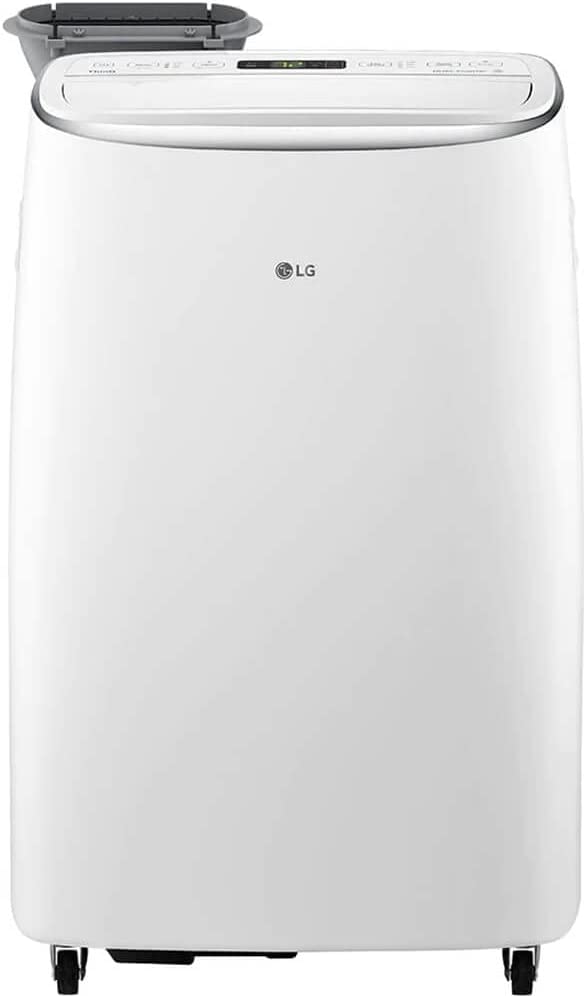
LG’s technological flagship is its proprietary DUAL Inverter Compressor™. Traditional compressors turn on and off to regulate temperature, consuming massive amounts of energy and generating audible noise. LG’s dual-rotary design uses two compression chambers rotating simultaneously at variable speeds, reducing vibration, extending compressor lifespan, and cooling spaces up to 40% faster while cutting energy use by up to 70%. These units run on eco-friendly refrigerants like R32 and incorporate Gold Fin™ anti-corrosion coatings, UVnano™ internal fan-sterilization systems, and plasmaster ionizers for comprehensive air purification. LG systems are fully integrated into the LG ThinQ® ecosystem, offering energy monitoring, voice integration via Google Assistant and Alexa, and remote scheduling.
Sony’s engineering in this category relies entirely on the Peltier effect via thermoelectric modules (thermo-elements). The Sony Reon Pocket series uses an electrical current passed through two dissimilar metals to absorb heat on one side (cooling the wearer's skin contact point) and dissipate it out of a miniature exhaust port via an ultra-quiet micro-fan. Sony employs its proprietary sensing algorithms, utilizing multiple internal sensors to monitor skin temperature, ambient temperature, humidity, and user movement (walking, sitting, or commuting). Through the Reon Pocket companion app, the device dynamically adjusts cooling or heating levels via "SMART COOL" mode without manual intervention.
While LG measures thermal displacement in thousands of BTUs (British Thermal Units) to alter the ambient air of entire rooms, Sony measures its output in sensory surface temperature shifts (reducing skin contact temperature by up to 10°C to 13°C). LG relies on dedicated 110V/220V hardwired or wall power, whereas Sony relies on an integrated, rechargeable lithium-ion battery offering between 2 to 9 hours of continuous micro-cooling.
Pros & Cons Comparison
LG Air Conditioners
- Pro: True Ambient Cooling: Capable of dropping ambient room temperatures rapidly across areas ranging from 150 to over 1,000 square feet.
- Pro: Dual Inverter Efficiency: Industry-leading energy efficiency ratings (SEER/ISEER), drastically lowering electricity bills compared to standard compressors.
- Pro: Comprehensive Air Purification: Multi-stage filtration traps fine dust (PM 1.0/2.5), neutralizes allergens, and utilizes ultraviolet light to keep the blower wheel sanitized.
- Pro: Exceptional Durability & Warranty: Heavy-duty components backed by a standard 10-year warranty on the inverter compressor.
- Con: Fixed Installation Costs: Requires professional mounting, refrigeration line routing, external condenser placement, and significant initial labor investment.
- Con: Not Portable: Once installed, cooling is strictly localized to the designated interior zone.
Sony (Reon Pocket Personal Climate Devices)
- Pro: Maximum Portability: Pocket-sized and lightweight; fits discreetly into specialized undershirts, business attire, or neck holders for use anywhere—outdoors, transit, or office spaces.
- Pro: Dual-Action Utility: Provides both thermoelectric cooling during summer heat and gentle warming during winter months via a single compact unit.
- Pro: Zero Installation Overhead: No technicians, piping, or complex setup required; charges via standard USB-C.
- Pro: Advanced Micro-Sensing: Real-time behavioral and thermal adjustment driven by Sony's precision mobile sensor array.
- Con: Does Not Cool Air/Rooms: Cannot lower the ambient temperature of a bedroom, office, or living space; purely affects personal skin contact sensation.
- Con: Limited Battery Life: Intense usage drains the battery quickly, requiring frequent recharging or reliance on tethered power banks.
- Con: Regional Availability: The Reon Pocket series has historically had limited distribution outside of Japan and select Asian/European markets, requiring international importing.
Performance, Durability & Value Analysis
From a durability and longevity standpoint, LG is built for the long haul. LG air conditioners are outdoor-rated appliances engineered to endure extreme temperature variations, direct sunlight, rain, and corrosive coastal air. The inclusion of ocean-resistant anti-corrosive coatings on copper heat exchangers ensures that the physical hardware remains viable for a decade or more with basic filter cleanings. In terms of value, while an LG split system or window unit requires an upfront investment ranging from $400 to well over $2,000 (excluding professional installation), its ability to quietly condition an entire living environment while moderating electrical draw yields an outstanding long-term return on investment.
Sony’s build quality reflects its premium consumer electronics pedigree. The Reon Pocket features precise tolerances, skin-safe medical-grade silicon contact points, and finely tuned brushless micro-fans. However, wearable devices inherently face drop risks, sweat accumulation, moisture infiltration, and inevitable lithium-ion battery degradation over a 2-to-4-year cycle. Priced roughly between $150 and $250, Sony offers high value for urban commuters, business professionals in warm formal wear, or individuals who run hot in office environments where they lack thermostat control, but it cannot substitute for architectural climate hardware.
Final Verdict: Which Brand Should You Choose?
Choosing between Sony and LG comes down to your physical objective: are you trying to cool an environment, or are you trying to cool your body?
Choose LG if: You need an authentic, high-performance air conditioning solution for your home, apartment, or workspace. LG is the clear, undisputed choice if your goal is lowering ambient room temperatures, removing muggy indoor humidity, filtering airborne particulates, and achieving whisper-quiet, energy-efficient comfort in a static space. For whole-room living, LG is an industry-standard market leader.
Choose Sony if: You are seeking a personal, wearable gadget to survive scorching outdoor commutes, hot subway rides, or uncomfortably warm offices where you do not have permission or ability to alter the wall thermostat. If you already have home cooling and want an innovative, discreet, sensor-driven wearable to regulate personal thermal perception on the move, the Sony Reon Pocket is an ingenious piece of niche wearable engineering.
Customer Support & Warranty
Evaluating customer support and warranty coverage between Sony and LG in the air conditioning sector reveals a stark operational contrast, primarily rooted in market presence. Sony does not manufacture traditional residential or commercial split, window, or ducted air conditioning systems, limiting its climate-control footprint to niche wearable devices like the Reon Pocket. As a result, Sony’s customer service and warranty infrastructure are engineered around consumer electronics rather than high-capacity HVAC hardware. Sony typically provides a standard one-year limited warranty tailored for handheld gadgets, managed through general electronics service hubs. This framework functions well for mail-in device replacements or localized firmware troubleshooting, but it lacks the specialized HVAC technical network, regional certified technicians, and emergency on-site diagnostic capabilities required for major home climate systems.
Conversely, LG stands as a global powerhouse in the HVAC industry, featuring an extensively developed, highly specialized customer support and warranty ecosystem. LG backs its residential inverter air conditioners with industry-leading coverage, traditionally offering a 5-to-10-year warranty on its proprietary Dual Inverter compressor alongside standard multi-year parts coverage. This extended protection underscores the mechanical engineering and longevity of their variable-speed compressors. LG's support infrastructure is explicitly built for complex field operations: consumers benefit from direct-to-home certified technician dispatch, a comprehensive logistics network for rapid genuine-part procurement, and integrated diagnostic ecosystems like LG ThinQ and Smart Diagnosis, which allow technical agents to analyze internal system faults remotely via acoustic signals or Wi-Fi telemetry.
From an analytical standpoint, the practical trade-offs make an actual cross-brand comparison disproportionately favor LG for any legitimate cooling project. While Sony’s customer service yields high consumer-satisfaction scores within the personal audio, imaging, and gaming realms, it offers zero utility for architectural cooling needs or heavy-load thermal management. LG not only delivers the necessary structural engineering and warranty longevity vital for multi-thousand-dollar HVAC investments, but it also maintains dedicated enterprise and residential support channels designed to resolve critical mechanical failures during extreme temperature conditions. For reliable warranty execution, rapid field response, and dedicated HVAC post-purchase care, LG is the definitive and functionally singular choice between the two.
Energy Efficiency
When evaluating the air conditioner landscape for energy efficiency, LG stands as a dominant, tier-one market leader, whereas Sony is virtually non-existent in the traditional residential HVAC space. Sony’s engineering pedigree lies in consumer electronics, entertainment, and imaging; their involvement in climate control is restricted to niche, specialized gadgets like the Reon Pocket—a wearable thermo-device that utilizes the Peltier effect for localized micro-cooling. While the Reon Pocket is technically innovative and sips minuscule amounts of battery power to manage personal body temperature, it operates on a fundamentally different thermodynamic plane than whole-room air conditioning. Consequently, comparing Sony to conventional split or window systems reveals a total absence of large-scale SEER (Seasonal Energy Efficiency Ratio) ratings, variable-speed residential compressors, or certified environmental efficiency standards.
Conversely, LG is an engineering powerhouse renowned for pushing the envelope in thermodynamic efficiency and inverter technology. LG’s room and central air conditioners are built around their proprietary Dual Inverter Compressor™ design, which employs twin rotary cylinders operating at varying frequencies to continuously adjust cooling output. This eliminates the massive electrical draws associated with the stop-start cycles of traditional single-speed compressors, reducing overall energy consumption by up to 40% compared to standard models and regularly earning top-tier Energy Star certifications. Furthermore, LG augments this robust hardware with intelligent features such as an Energy Saving Mode, active kW-consumption monitoring via the ThinQ smart app, and optimized fin heat exchangers that maximize thermal transfer without overtaxing the power grid.
From a practical consumer standpoint, the comparison highlights a trade-off between personal, hyper-localized cooling and authentic residential climate management. If your objective is simply reducing personal thermal discomfort at your desk or during a commute without powering an entire home HVAC system, Sony’s micro-thermo tech offers clever, low-draw localized relief. However, for actual residential air conditioning, LG is the unequivocal and sole viable choice. LG delivers verified, high-SEER efficiency, industry-leading inverter reliability, and the algorithmic intelligence needed to slash household utility bills, making them the indisputable benchmark for energy-conscious homeowners.
Noise Level
When evaluating acoustic engineering in the climate control space, it is vital to contextualize the contrasting product paradigms of Sony and LG. Sony does not manufacture traditional residential split-system or window air conditioners; instead, its footprint in this category is defined by ultra-compact personal wearables, notably the Reon Pocket series. Engineered to sit against the cervical spine, Sony utilizes solid-state thermoelectric Peltier elements paired with miniature, high-efficiency centrifugal brushless fans. Because the unit rests directly on the body mere inches from the ears, acoustic containment is paramount. Sony excels in eliminating high-pitch mechanical hums and low-frequency vibration transfers, generally operating within a discreet 20 to 32 dBA window. However, because it relies on micro-scale active convection to displace heat from a small thermal sink, running the unit at peak output can produce a slight, localized whoosh that is perceptible in quiet indoor environments, making its acoustic profile intimate rather than ambient.
Conversely, LG is an industry titan in residential and commercial HVAC, pouring extensive research into whole-room acoustic dampening through its signature Dual Inverter Compressor technology. By utilizing a twin-rotary motor that operates at lower, dynamically adjusted rotational speeds rather than erratic on-off cycles, LG dramatically reduces torsional vibration—the primary source of low-frequency compressor drone. Indoors, LG split-system units leverage asymmetrical, skewed-blade cross-flow fans that minimize turbulent airflow resistance, allowing select models to achieve an exceptionally quiet "Silent Mode" floor of roughly 19 dBA, barely louder than a whisper. Outdoor condenser units are similarly isolated with dense acoustic wraps and twin-rotor balance, preventing structural resonance from penetrating exterior walls. While LG delivers superior whole-room sound mitigation that easily blends into background noise, occasional trade-offs include transient refrigerant hiss during cycle reversals and duct/louvre creaks caused by rapid plastic thermal expansion.
Ultimately, the choice regarding noise level comes down to the scale and deployment of the cooling technology. Sony showcases sophisticated micro-fluid engineering that manages to suppress intrusive mechanical buzzing in personal, close-proximity devices, but its high-rpm miniature fans remain subtly noticeable to the wearer in dead-silent rooms. LG demonstrates masterclass acoustic design for full-scale ambient spaces, deploying advanced rotary balancing, smart airflow geometry, and soft-start inverters that make its cooling virtually imperceptible to room occupants. Consumers prioritizing silent ambient room conditioning will find LG’s acoustic isolation technologically superior, whereas those seeking unobtrusive personal micro-climate management will appreciate Sony's localized, low-decibel whisper.
Cooling Performance
When evaluating cooling performance in the air conditioning sector, comparing Sony and LG reveals a stark contrast between niche personal thermal management and market-leading architectural climate control. Sony does not manufacture traditional residential mini-splits or window air conditioners; instead, its footprint in this category is defined by wearable micro-climate technology, specifically the Reon Pocket series. The Reon Pocket relies on the Peltier effect (thermoelectric cooling) to provide targeted, contact-based temperature reduction at the base of the neck. While technically sophisticated and capable of lowering surface body temperature by several degrees almost instantaneously via smart sensors and dynamic thermal adjustments, its cooling performance is strictly localized. It is engineered to alter individual thermal perception rather than condition an ambient volume of air, making it wholly unsuitable for cooling spaces, rooms, or multi-occupant environments.
Conversely, LG is a premier global authority in full-scale HVAC systems, renowned for its cutting-edge inverter compressor engineering. LG’s residential air conditioners utilize proprietary Dual Inverter Compressor™ technology, which features twin rotary compression chambers operating with variable-speed drives. This allows LG units to ramp up rapidly to peak capacity—often branded as Jet Cool or DUAL Vane technology—delivering high-velocity airflow that drastically reduces room temperatures up to 40% faster than conventional fixed-speed systems. Beyond raw BTU capacity, LG excels in sustained thermal stability; the inverter system micro-adjusts its motor speed to maintain precise ambient setpoints without the fluctuating temperature spikes that plague lesser systems, even when exterior ambient temperatures exceed 115°F (46°C).
The practical trade-off between the two brands comes down to scope, capacity, and deployment intent. Sony’s engineering offers a novel, highly portable solution for mobile professionals seeking personal relief from heat exhaustion, but it completely lacks the volumetric capacity, sensible heat ratio, and latent heat (dehumidification) removal capabilities necessary to cool living spaces. LG, on the other hand, delivers enterprise-grade cooling performance with high Seasonal Energy Efficiency Ratios (SEER), broad BTU configurations ranging from 8,000 to over 24,000 BTUs, and advanced air-distribution louvers that eliminate hot spots across entire rooms. For any consumer seeking genuine atmospheric cooling performance, LG is the definitive and functionally capable choice, while Sony remains a specialized device for personal, on-the-go thermal comfort.