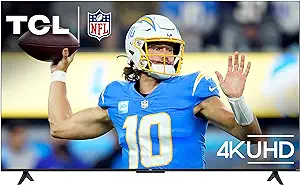
In the realm of home entertainment, the television serves as the centerpiece of our living rooms, delivering immersive viewing experiences and access to a world of digital content. TCL and Vizio emerge as two prominent players in the TV market, each offering a range of models with diverse features and price points. In this comparative analysis, we'll explore the strengths and differences between TCL and VIZIO TVs to help you make an informed decision.
Key Features Comparison
Affordability
When evaluating affordability in the television space, TCL and VIZIO represent two of the most aggressive value propositions on the market, though they achieve competitive pricing through distinct engineering philosophies. TCL benefits substantially from vertical integration through its parent company, CSOT (China Star Optoelectronics Technology), one of the world’s largest panel manufacturers. This direct access to panel fabrication allows TCL to equip even its entry-level (S-Class) and mid-range (Q-Class) televisions with advanced display technologies like Quantum Dots and Full Array Local Dimming (FALD) at price points that traditionally feature baseline edge-lit displays. Conversely, VIZIO operates primarily as a design, procurement, and integration firm, relying on third-party supply chains. To maintain competitive pricing across its D-Series, V-Series, and Quantum tiers, VIZIO frequently monetizes its hardware on the backend via SmartCast (now modernized under the Home Screen UI) advertising and viewer data analytics through Inscape, which subsidizes upfront retail costs for budget-conscious consumers.
In terms of practical feature sets and technical strengths per dollar, TCL generally offers superior engineering return on investment for picture quality and processing. TCL's integration of high-zone Mini-LED backlighting into accessible price tiers delivers class-leading contrast ratios, peak brightness for HDR, and superior uniformity compared to identically priced VIZIO models. Furthermore, TCL’s standard adoption of either Google TV or Roku OS provides a mature, responsive, and app-rich software environment out of the box, mitigating the need for external streaming dongles. VIZIO counters with a strong budget-gaming baseline, frequently incorporating variable refresh rates (VRR), low input lag, and full-featured HDMI 2.1 functionality at sub-$500 price brackets faster than many competitors. However, VIZIO's proprietary operating system historically suffers from sluggish navigational responsiveness and inconsistent app integration, which undermines its overall hardware value.
The primary trade-offs regarding affordability between the two brands center on quality control and platform longevity. While TCL delivers the higher ceiling for display performance per dollar spent, budget consumers must contend with occasional panel variance, commonly referred to as the "panel lottery," alongside hit-or-miss internal speaker configurations. VIZIO, on the other hand, trades raw brightness and HDR impact for aggressive, entry-level volume pricing, often undercutting TCL during holiday retail events. Nevertheless, VIZIO’s reliance on software-based ad revenue can degrade the end-user experience over time through intrusive homescreen marketing and sporadic firmware updates that have historically caused connectivity glitches. For pure hardware capability and long-term display fidelity per dollar, TCL represents the more robust affordability investment, whereas VIZIO remains an aggressive option for ultra-low upfront entry prices where basic smart streaming is the sole priority.
Picture Quality
Top-Rated Picture Quality Brands




TCL TVs leverage a variety of display technologies, including LED-backlit LCD panels and QLED (Quantum Dot LED) displays. With features like Dolby Vision HDR and Contrast Control Zones, TCL TVs deliver vibrant colors, deep blacks, and impressive contrast levels, enhancing the overall viewing experience. TCL's commitment to incorporating advanced display technologies ensures that viewers can enjoy rich, lifelike visuals across a range of content.
Vizio TVs are known for their attention to picture quality, often incorporating technologies like Quantum Color and Active Full Array backlighting to enhance contrast and color accuracy. Many Vizio models also support Dolby Vision and HDR10, allowing viewers to experience content in stunning detail and clarity. With an emphasis on delivering cinematic visuals, Vizio TVs aim to recreate the immersive experience of a movie theater in the comfort of your home.
Brand Reputation
TCL, a Chinese multinational electronics company, has rapidly gained recognition for its affordable yet feature-rich televisions. With a focus on delivering value and innovation, TCL has established itself as a major player in the global TV market. Renowned for its Roku-powered smart TVs and commitment to cutting-edge display technologies, TCL continues to expand its presence worldwide.
Vizio, an American consumer electronics company, has garnered a reputation for offering high-quality TVs at competitive prices. Founded in 2002, Vizio disrupted the market with its direct-to-consumer business model and commitment to delivering premium features without the premium price tag. With a strong emphasis on picture quality, smart features, and user experience, Vizio has become a household name in the realm of home entertainment.
Smart Features
TCL's partnership with Roku has resulted in a seamless and intuitive smart TV experience for users. TCL Roku TVs come equipped with the Roku operating system, providing access to thousands of streaming channels, apps, and services. The Roku interface is user-friendly and customizable, allowing viewers to easily navigate content and discover new entertainment options. With features like voice search and private listening, TCL Roku TVs offer a comprehensive smart entertainment solution.
Vizio SmartCast serves as the operating system for Vizio's lineup of smart TVs, offering users access to popular streaming apps and services. SmartCast also integrates with Apple AirPlay and Google Chromecast, allowing users to stream content from their mobile devices directly to the TV screen. Vizio's SmartCast interface is intuitive and responsive, providing a seamless entertainment experience for users who prefer to stream content from their favorite apps.
Conclusion
In the TCL vs Vizio TV comparison, both brands offer compelling options for consumers seeking high-quality entertainment experiences at affordable prices. TCL excels in delivering value and innovation through its partnership with Roku and commitment to advanced display technologies. Vizio, on the other hand, prioritizes picture quality and user experience, making its TVs a popular choice among consumers. Ultimately, the choice between TCL and Vizio depends on individual preferences, budget constraints, and desired features. Whether you prioritize affordability, advanced smart features, or picture quality, both TCL and Vizio stand as formidable contenders in the competitive landscape of the TV market, offering a range of options to suit diverse lifestyles and viewing preferences.