A Comprehensive Comparison of Home Entertainment Giants
In the ever-evolving landscape of home entertainment, choosing the right television involves navigating through a plethora of options. Two prominent players in the market, Sony and Vizio, each boast a diverse lineup of TVs promising cutting-edge technology and immersive viewing experiences. In this article, we will dissect the battle between Sony and VIZIO, examining their strengths, weaknesses, and what distinguishes them in the fiercely competitive television market.
Sony TVs: The Pinnacle of Technological Innovation
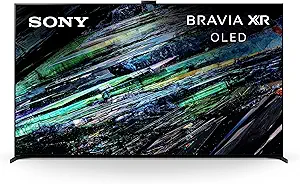
For decades, Sony has been synonymous with innovation and quality in the consumer electronics industry. The brand's television offerings, renowned for their premium build quality and top-tier performance, have consistently set industry standards. Sony TVs incorporate state-of-the-art technologies, such as OLED and proprietary display enhancements like TRILUMINOS™, delivering stunning visuals with vibrant colors and deep contrasts.
At the heart of many Sony models lies the powerful X1 Ultimate processor, responsible for advanced image processing, noise reduction, and color optimization. Sony's commitment to audio excellence is evident with technologies like Acoustic Surface Audio, turning the TV screen into a speaker for a truly immersive audio-visual experience.
However, Sony's commitment to quality comes at a price, positioning their TVs in the higher end of the market, making them an investment for consumers seeking uncompromising performance.
Vizio TVs: A Fusion of Quality and Affordability
Vizio, a California-based company, has carved a niche for itself by offering feature-rich televisions at competitive prices. Vizio TVs often feature 4K resolution, High Dynamic Range (HDR) support, and a range of smart TV capabilities. The company's Quantum Color technology enhances color accuracy and brightness, contributing to an impressive visual experience.
One of Vizio's standout features is its affordability without significant compromise on quality. The brand strikes a balance by incorporating advanced technologies while keeping prices accessible, making Vizio TVs an attractive option for budget-conscious consumers.
Comparative Analysis
-
Picture Quality:
- Sony: Sets industry standards with technologies like OLED and advanced image processors for unparalleled picture quality.
- Vizio: Offers impressive visuals with technologies like Quantum Color, providing vibrant colors and HDR support at a more budget-friendly price point.
-
Audio Performance:
- Sony: Excels in audio innovation with features like Acoustic Surface Audio for an immersive sound experience.
- Vizio: Provides solid audio performance but may not reach the same heights as Sony in terms of audio innovation.
-
Price:
- Sony: Positioned in the premium price range, making them an investment for those seeking top-tier performance.
- Vizio: Provides a cost-effective alternative without compromising significantly on quality, making them appealing to a wider range of consumers.
-
Smart TV Features:
- Sony: Equipped with a user-friendly smart TV interface, compatibility with popular streaming apps, and advanced features.
- Vizio: Offers a range of smart TV capabilities, ensuring seamless access to streaming services and apps, contributing to an enhanced user experience.
Conclusion
The Sony vs. Vizio battle in the TV market exemplifies the diverse choices available to consumers. Sony appeals to those who prioritize cutting-edge technology, premium build quality, and are willing to invest in an unparalleled television experience. On the other hand, Vizio caters to consumers seeking a balance between quality and affordability, providing an impressive array of features without the premium price tag.
Ultimately, the decision between Sony and VIZIO hinges on individual preferences, priorities, and budget considerations. Whether opting for the pinnacle of innovation with Sony or the fusion of quality and affordability with Vizio, both brands contribute significantly to the ever-evolving landscape of home entertainment, ensuring there's a TV to suit every discerning consumer.
Affordability
VIZIO has long established itself as a disruptor in the television industry by prioritizing aggressive upfront affordability, effectively democratizing high-end display technologies for the mass market. Consumers operating on strict budgets can routinely acquire VIZIO models—ranging from the entry-level V-Series to the quantum-dot-enhanced Quantum Pro lines—that offer full-array local dimming, wide color gamuts, and high refresh rates at price points that severely undercut the broader market. VIZIO achieves these accessible price tags by focusing on hardware-first value and utilizing cost-effective exterior housing, standard integrated audio drivers, and an ad-supported SmartCast operating environment. For shoppers seeking the largest screen size and the most advanced on-paper gaming or HDR specifications per dollar spent, VIZIO represents an exceptionally high value-to-cost proposition.
Conversely, Sony occupies a distinct premium tier where affordability is measured through technical refinement, proprietary hardware, and long-term component reliability rather than low retail pricing. A Sony television with comparable surface-level specifications to a VIZIO unit often commands a significant price premium, typically ranging from 30% to 60% more at the register. This cost differential directly finances Sony’s industry-leading Cognitive Processor XR, which excels in nuanced tone mapping, superior sub-4K image upscaling, and market-defining motion handling that budget-oriented silicon cannot replicate. Furthermore, Sony integrates superior acoustic solutions like Acoustic Surface Audio and runs a fluid, responsive Google TV interface, steering clear of the software sluggishness and inconsistent panel quality control that budget-conscious VIZIO buyers occasionally encounter.
Ultimately, the comparison between VIZIO and Sony regarding affordability hinges on immediate expense versus long-term value and viewing refinement. VIZIO minimizes the financial barrier to entry, making it the practical choice for budget-first buyers and secondary-room installations where minor trade-offs in panel uniformity and operating system polish are acceptable compromises. Sony, while rarely winning on raw price-to-spec metrics, offsets its steep entry cost through class-leading build quality, enduring software support, and elite video processing that retains its performance fidelity over a longer operational lifespan. For pure bottom-line economy, VIZIO is the decisive victor, while Sony targets buyers willing to pay extra to avoid the compromises inherent to budget engineering.
Picture Quality
Top-Rated Picture Quality Brands




- Sony: Sets industry standards with technologies like OLED and advanced image processors for unparalleled picture quality.
- Vizio: Offers impressive visuals with technologies like Quantum Color, providing vibrant colors and HDR support at a more budget-friendly price point.
Brand Reputation
In the television industry, Sony and VIZIO occupy virtually opposite ends of the brand reputation spectrum, reflecting distinct corporate philosophies, engineering heritages, and target demographics. Sony commands an illustrious, multi-decade pedigree as a gold standard in consumer electronics and Hollywood broadcast mastering. Built on a foundation of proprietary imaging pipelines—culminating in the modern Cognitive Processor XR—Sony’s reputation is rooted in class-leading upscaling, nuanced color accuracy, motion handling, and acoustic innovation (such as Acoustic Surface Audio+). Enthusiasts and cinephiles revere the BRAVIA brand because it represents a direct line to professional reference monitors used in studio color grading, resulting in near-universal acclaim for out-of-the-box color fidelity and premium Japanese engineering standards.
Conversely, VIZIO built its reputation in the North American market as a disruptive, value-first champion that democratized advanced panel technologies. Where Sony positioned itself as an aspirational luxury, VIZIO gained consumer trust by bringing full-array local dimming, Quantum Dot color, and multi-format HDR support down to accessible price points long before legacy tier-one brands did. However, VIZIO’s engineering quality has earned a more polarizing reputation over the years, particularly concerning firmware stability and software refinement. While Sony relies on polished, responsive Google TV implementations with sustained software update cycles, VIZIO’s proprietary SmartCast platform has historically struggled with sluggish responsiveness, aggressive advertising integration, and occasional firmware regressions that have tested consumer goodwill.
From a consumer analysis perspective, the practical trade-off between these brands comes down to long-term reliability versus initial price-to-performance ratio. Sony televisions carry a distinct reputation for exceptional build quality, tighter panel-lottery tolerances, and longevity, which justifies their premium pricing for buyers seeking peace of mind and cinematic perfection. VIZIO remains highly respected by pragmatic, budget-conscious consumers who prioritize peak brightness and raw gaming capabilities per dollar spent, but the brand lacks the prestige, holistic post-purchase support, and refined picture processing that solidify Sony's status at the apex of television manufacturing.
Smart Features
Sony equips its television lineup with the Google TV operating system, backed by high-tier onboard processing silicon that delivers an expansive, highly responsive smart experience. Users gain direct access to the Google Play Store, unlocking thousands of natively installed applications without architectural constraints. In contrast, VIZIO relies on its proprietary SmartCast (iterated as VIZIO Home) platform. Rather than maintaining an open, downloadable app store, VIZIO utilizes a cloud-based web-app framework where applications are pushed and managed server-side. While this structure eliminates the need for manual app maintenance, it heavily restricts users to VIZIO’s curated roster of partner services. Additionally, because VIZIO pairs its software with more modest processing hardware, the user experience frequently suffers from navigational latency, slower app boot times, and occasional interface stutter compared to Sony’s fluid, well-optimized UI.
When evaluating ecosystem connectivity and value-added software features, the two brands target distinct consumer priorities. Both platforms offer robust foundational casting via integrated Apple AirPlay 2 and Chromecast protocols, alongside hands-free voice assistance through Google Assistant and Amazon Alexa. However, Sony leverages its corporate media assets to provide cinephile-grade features, most notably the exclusive Sony Pictures Core (formerly BRAVIA Core) service, which streams uncompressed 4K UHD content at bitrates up to 80 Mbps to rival physical media. VIZIO instead leans heavily into immediate, cost-free utility through WatchFree+, a deeply integrated Free Ad-supported Streaming TV (FAST) hub that blends hundreds of live virtual channels into a native electronic program guide. While WatchFree+ provides undeniable turn-key value for cord-cutters, it lacks the visual and acoustic fidelity that Sony's specialized software pipeline enables.
The practical trade-off between the two brands boils down to long-term operational viability versus upfront economic convenience. VIZIO’s smart ecosystem is engineered around aggressive monetization and advertising real estate, which keeps initial hardware costs low but results in a cluttered home screen and an architecture that relies on external smartphone casting for non-supported apps. Sony’s Google TV implementation offers superior personalized user profiles, robust parental controls, deep smart-home orchestration, and the system overhead necessary to maintain performance across multi-year software update cycles. While Sony commands a higher entry price, its sophisticated software environment eliminates the premature need to purchase an external streaming device—an eventuality that budget-conscious VIZIO owners frequently encounter as hardware ages.