






Choosing the perfect television for your home involves navigating a market filled with diverse options. In this article, we'll explore the competition between two brands, Sony and Sceptre, each offering a unique blend of technology and affordability in the world of home entertainment.
Sony TVs: The Epitome of Technological Innovation
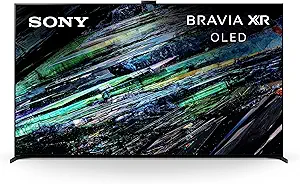
Sony, a stalwart in the consumer electronics industry, has consistently set the bar for technological innovation. The brand's televisions are synonymous with cutting-edge features, premium build quality, and an unwavering commitment to delivering an immersive viewing experience. Sony's use of OLED and proprietary display technologies like TRILUMINOS™ results in vibrant colors, deep blacks, and exceptional clarity. The incorporation of the powerful X1 Ultimate processor ensures advanced image processing, reducing noise and optimizing color for a visually stunning result. Sony's dedication to audio excellence is evident with features like Acoustic Surface Audio, transforming the TV screen into a speaker for a truly immersive audio-visual experience. However, Sony's commitment to excellence often comes at a premium, targeting consumers seeking top-tier performance and craftsmanship.
Sceptre TVs: Affordable Innovation without Compromise
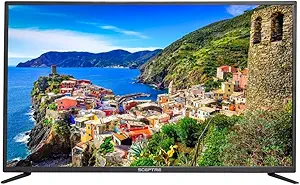
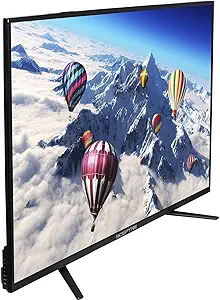
Sceptre, a brand known for providing budget-friendly alternatives, has been gaining recognition in the television market. Sceptre TVs offer a balance between affordability and technology, providing essential features without the hefty price tag. While Sceptre may not boast the same level of technological innovation as Sony, it excels in delivering value for money. Sceptre TVs often feature Full HD or 4K resolution, smart TV capabilities, and a variety of connectivity options, making them a compelling option for budget-conscious consumers.
Key Features Comparison
Affordability
When evaluating affordability, Sceptre is widely recognized as a premier budget-tier manufacturer, designing displays aimed at cost-conscious consumers, commercial setups, and secondary rooms. By stripping away expensive proprietary image processing chips, cutting-edge panel technologies like Mini-LED or OLED, and high-end chassis materials, Sceptre passes immense savings directly to the buyer. This approach allows users to acquire ultra-large screen diagonals or standard 4K resolutions at a fraction of the cost of tier-one competitors. For consumers whose primary priority is screen real estate per dollar rather than advanced optical performance, Sceptre offers an undeniably accessible entry point into modern television form factors.
In stark contrast, Sony positions itself firmly in the premium segment, commanding price tags that reflect its heavy investments in proprietary research, advanced silicon engineering, and elite build quality. While Sony does offer lower-tier entry models, their prices still consistently exceed Sceptre's comparable sizes, often by a substantial multiple. Consumers investing in Sony are paying for high-end acoustic engineering, class-leading cognitive processors like the XR chip, and sophisticated backlighting systems that dramatically improve dynamic range and color volume. Ultimately, Sceptre dominates purely transactional affordability, while Sony targets buyers who view television purchases as long-term, high-fidelity entertainment investments.
Picture Quality
Top-Rated Picture Quality Brands




Sony: Sets industry standards with OLED and advanced image processors for unparalleled picture quality.
Sceptre: Offers commendable picture quality with Full HD or 4K resolution, providing a budget-friendly alternative.
Brand Reputation
Sony holds an iconic legacy in the consumer electronics sector, renowned globally for decades of technical innovation, industrial design, and audiovisual excellence. Through its deep roots in professional broadcast cameras and Hollywood film production, Sony has cultivated a reputation for unmatched color fidelity and creative intent, making its consumer displays highly trusted among cinephiles and industry professionals. The brand is synonymous with rigorous quality control, exceptional customer support, and durable hardware, which instills a strong sense of reliability and prestige in the consumer psyche that few competitors can rival.
Sceptre, on the other hand, carries a reputation as an utilitarian, value-driven brand that excels in basic visual output without the prestige or engineering pedigree of legacy competitors. Known initially for affordable PC monitors before expanding heavily into budget TVs, Sceptre is regarded as a dependable choice for secondary spaces like guest bedrooms, dorm rooms, or workshops. While consumer feedback acknowledges Sceptre's functional reliability at its price point, the brand does not carry the technical acclaim or aspirational status of Sony, generally appealing to pragmatic buyers who prioritize functional economy over brand prestige.
Smart Features
Sony delivers a sophisticated, modern smart TV experience by leveraging the Google TV ecosystem across the majority of its television lineup. This integration grants users access to an extensive library of streaming applications, seamless voice navigation via Google Assistant, Apple AirPlay 2, and deep smart home interoperability. Sony takes this further by embedding specialized software layers, including exclusive access to the high-bitrate Sony Pictures Core streaming platform, calibrated viewing modes for Netflix and Prime Video, and automatic HDR tone mapping optimized specifically for PlayStation 5 consoles, creating a cohesive, high-performance multimedia hub.
Sceptre adopts a radically different strategy regarding smart capabilities, frequently omitting built-in smart platforms altogether to minimize hardware costs and software licensing fees. Many Sceptre units operate as traditional "dumb" displays featuring basic, lightweight firmware interfaces that simply navigate input channels and fundamental display settings. While this lack of native smart features requires users to purchase external streaming hardware like a Roku Streaming Stick, Fire TV, or Apple TV, it eliminates sluggish low-cost internal processors and prevents software bloat. For users seeking an all-in-one, intelligent entertainment center, Sony provides a vastly superior out-of-the-box solution, whereas Sceptre relies on external modularity.
Conclusion
The Sony vs. Sceptre competition in the TV market showcases the diverse choices available to consumers. Sony appeals to those who prioritize cutting-edge technology, premium build quality, and are willing to invest for an unparalleled television experience. On the other hand, Sceptre caters to consumers seeking a balance between quality and affordability, providing essential features without the premium price tag. Ultimately, the choice between Sony and Sceptre depends on individual preferences, priorities, and budget considerations. Both brands contribute significantly to the ever-evolving landscape of home entertainment, ensuring consumers have options that align with their distinct tastes and financial constraints.