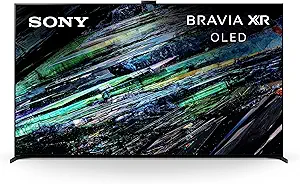
In the vast world of home entertainment, choosing the perfect television involves weighing the options presented by various brands. This article explores the competition between Sony and INSIGNIA, two brands offering distinct features and price points in the television market.
Sony TVs: A Legacy of Technological Excellence
Sony, a global leader in consumer electronics, is synonymous with innovation and premium quality. The brand's televisions consistently incorporate cutting-edge technologies, top-notch build quality, and an unwavering commitment to delivering an immersive viewing experience. Sony's use of OLED and proprietary display technologies like TRILUMINOS™ ensures vibrant colors, deep blacks, and exceptional clarity. The powerful X1 Ultimate processor further enhances image processing, reducing noise and optimizing color for an unmatched visual experience. Sony's dedication to audio excellence is evident with features like Acoustic Surface Audio, transforming the TV screen into a speaker for a truly immersive audio-visual treat. While Sony's commitment to excellence often comes at a higher price, it targets consumers seeking top-tier performance and craftsmanship.
Insignia TVs: Affordability without Compromise
Insignia, a brand recognized for providing affordable electronics, offers a range of televisions that strike a balance between technology and budget constraints. Insignia TVs typically feature Full HD or 4K resolution, smart TV capabilities, and a variety of connectivity options. While Insignia may not boast the same level of technological innovation as Sony, it focuses on delivering value for money. The brand caters to budget-conscious consumers, providing essential features without compromising too much on quality.
Key Features Comparison
Affordability
When analyzing pricing and value proposition, Sony and INSIGNIA represent entirely different tiers of the consumer electronics market. INSIGNIA, Best Buy's exclusive house brand, is engineered specifically to dominate the budget segment by stripping away high-cost proprietary technologies and focusing strictly on baseline functionality. Consequently, INSIGNIA displays deliver exceptional entry-level value, often priced at a fraction of their premium competitors. For consumers outfitting guest bedrooms, dorms, or kitchens where high-end cinematic performance is secondary, INSIGNIA provides functional 4K and Full HD panels that fit comfortably into strict budgetary constraints without requiring a substantial financial commitment.
Conversely, Sony occupies a premium market position with a pricing strategy anchored in advanced display engineering, sophisticated image processing, and high-grade panel manufacturing. Entry-level Sony models are frequently priced significantly higher than flagship INSIGNIA models of comparable dimensions, while top-tier Sony BRAVIA XR and OLED televisions command thousands of dollars. The higher price of a Sony unit reflects investments in cognitive processors, high-peak-brightness Mini-LED backlighting, wider color gamuts, and superior build materials. While INSIGNIA represents the pinnacle of initial cost savings, Sony delivers long-term technical value for enthusiasts seeking uncompromising picture fidelity, better color accuracy out of the box, and future-proofed hardware.
Picture Quality
Top-Rated Picture Quality Brands




Sony: Sets industry standards with OLED and advanced image processors for unparalleled picture quality.
Insignia: Offers commendable picture quality with Full HD or 4K resolution, providing an affordable alternative.
Brand Reputation
Sony is widely regarded as one of the most prestigious and foundational names in consumer video engineering, enjoying decades of industry-wide acclaim for its pioneering display innovations. From the legendary Trinitron line to modern Master Series OLEDs and professional studio reference monitors, Sony's reputation among cinephiles, professional colorists, and gamers is virtually unmatched. Consumers purchasing a Sony display generally expect class-leading reliability, precise image calibration, and comprehensive customer support. The brand's deep-rooted integration across Hollywood film production and PlayStation gaming ecosystems further solidifies its standing as an engineering powerhouse dedicated to artistic fidelity.
INSIGNIA, on the other hand, carries the reputation of a pragmatic, dependable private-label brand designed to deliver reliable utility at an economical price point. While it does not enjoy the cultural or technical cachet of Sony, INSIGNIA has built strong consumer trust by providing straightforward, functional hardware backed by Best Buy’s widespread retail network and return infrastructure. It is universally understood to be a budget brand rather than an innovator; consumers do not look to INSIGNIA for ground-breaking display technology, but rather for accessible, trouble-free electronics that perform reliably over their typical lifespan.
Smart Features
Smart platform integration illustrates another significant divergence between the two brands, particularly in processing power and ecosystem functionality. Sony integrates Google TV across its modern lineup, driven by powerful onboard processors that ensure snappy UI navigation, extensive app compatibility via the Google Play Store, and deep integration with Google Assistant and Apple AirPlay 2. Crucially, Sony pairs this platform with dedicated picture-enhancing sub-menus, advanced gaming dashboards, and proprietary services such as Sony Pictures Core (formerly BRAVIA CORE), which streams 4K Blu-ray equivalent bitrates. This creates an interconnected multimedia experience tailored for media enthusiasts.
INSIGNIA primarily employs Amazon's Fire TV OS (with select models utilizing Roku TV), transforming the set into an affordable smart hub deeply integrated with the Alexa ecosystem. For users heavily invested in Amazon Prime Video and smart-home routines, INSIGNIA's interface is straightforward and offers hands-free or remote-based voice controls through Alexa. However, INSIGNIA's system-on-a-chip (SoC) architectures are significantly more modest than Sony's, occasionally resulting in minor UI lag, slower app loading times, and a home screen heavily populated with promotional content. While INSIGNIA covers all essential streaming applications, Sony provides a far more seamless, high-performance smart environment with greater configuration flexibility.
Conclusion
The Sony vs. Insignia competition in the TV market highlights the diversity of choices available to consumers. Sony caters to those who prioritize cutting-edge technology, premium build quality, and are willing to invest for an unparalleled television experience. Insignia, on the other hand, appeals to consumers seeking a balance between quality and affordability, providing essential features without the premium price tag. Ultimately, the choice between Sony and Insignia depends on individual preferences, priorities, and budget considerations. Both brands contribute significantly to the ever-evolving landscape of home entertainment, ensuring consumers have options that align with their distinct tastes and financial constraints.