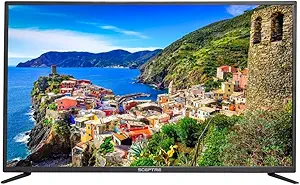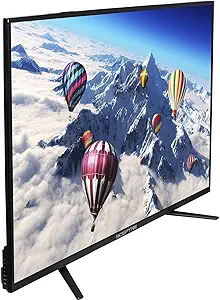








When it comes to choosing a new television, consumers are often faced with a myriad of options, each claiming to offer the best features and value for money. Two popular brands that frequently catch the eye in the budget and mid-range segments are Sceptre and Insignia. In this article, we'll explore the similarities and differences between Sceptre and INSIGNIA TVs, helping you make an informed decision based on your preferences and requirements.
Brand Overview
Sceptre
Sceptre is known for its budget-friendly TVs that aim to deliver a solid viewing experience without breaking the bank. The brand often attracts consumers looking for affordable options without compromising on essential features. Sceptre TVs are widely available in various sizes and resolutions, making them versatile for different spaces and viewing preferences.
Insignia
Insignia, on the other hand, is a brand under Best Buy's house brand umbrella, emphasizing a balance between performance and affordability. Insignia TVs are designed with a focus on providing reliable picture quality and smart TV capabilities at competitive prices. The brand aims to cater to consumers who seek a reliable and feature-rich television without the premium price tag.
Key Features Comparison
Affordability
When evaluating affordability in the entry-level television market, Sceptre and INSIGNIA represent two distinct engineering and pricing philosophies. Sceptre champions the ultra-low upfront cost model, consistently offering some of the lowest price-per-inch ratios in the industry. They achieve this aggressive pricing by deliberately stripping away modern, integrated conveniences. Sceptre predominantly manufactures traditional, non-smart display panels, thereby bypassing licensing fees for operating systems and the cost of on-board Wi-Fi and advanced processing modules. While their structural engineering relies heavily on lightweight, utilitarian plastics and basic edge-lit or generic direct-LED backlights, their focus is singularly aimed at delivering functioning 1080p and 4K display panels for the lowest possible absolute dollar amount. For budget-conscious buyers, secondary room installations, or commercial settings where external media players (such as security monitors or streaming sticks) are already in use, Sceptre offers unmatched baseline economic value.
Conversely, INSIGNIA—Best Buy’s private-label house brand—approaches affordability through an integrated value-proposition. While typically priced slightly higher than Sceptre across comparable screen sizes, INSIGNIA TVs almost universally incorporate Amazon’s Fire TV or Roku TV operating systems. This architectural integration eliminates the secondary purchase of an external streaming device, narrowing the true total cost of ownership. From an engineering perspective, INSIGNIA benefits from the supply chain scale of a major retailer, yielding marginally superior build tolerances, better-calibrated out-of-the-box color profiles, and modern conveniences such as HDMI ARC/eARC connectivity and voice-remote integration. The primary compromise with INSIGNIA’s low price point comes in the form of system longevity and ad-supported ecosystem subsidization; the hardware chips powering the internal smart interface are entry-tier, meaning navigation can become sluggish over years of system updates, and the UI heavily surfaces sponsored content to offset manufacturing costs.
Ultimately, the practical trade-offs regarding affordability between the two brands hinge on how a consumer calculates value. Sceptre delivers superior pure hardware savings, making it the superior choice for buyers seeking an uncomplicated, "dumb" monitor panel who refuse to pay for features they will not use. However, when factoring in the auxiliary cost of HDMI streaming hardware, INSIGNIA frequently matches or exceeds Sceptre's functional economy. INSIGNIA provides a more modern, cohesive, and feature-complete home entertainment package for minimal additional expenditure, making it the more pragmatic long-term investment for the everyday consumer seeking affordable all-in-one functionality.
Picture Quality
Top-Rated Picture Quality Brands




Both Sceptre and Insignia offer a range of display technologies, including LED, LCD, and in some cases, more advanced options like 4K UHD. Picture quality is subjective, but it's important to note that both brands strive to provide vibrant colors, sharp contrast, and decent viewing angles. However, it's recommended to check specific model reviews and user feedback to get a better understanding of the picture quality for the particular TV you're interested in.
Brand Reputation
In the entry-level television market, brand reputation is largely dictated by how consumers perceive reliability, platform integration, and customer support. Sceptre and INSIGNIA approach this value segment with distinctly different heritages, leading to contrasting market reputations. Sceptre, an established legacy brand originating in the PC monitor space, has cultivated a reputation as an unapologetic, hyper-budget provider focused strictly on hardware utility over ecosystem integration. Conversely, INSIGNIA carries the heavy retail backing of Best Buy as its flagship in-house electronics brand. This corporate pedigree instantly affords INSIGNIA higher baseline credibility and consumer trust, as buyers associate the badge with accessible physical storefront support, simplified warranty fulfillment, and seamless ecosystem partnership, particularly through their ubiquitous integration of Amazon's Fire TV OS.
When analyzing engineering quality and practical technical strengths, INSIGNIA generally enjoys a stronger reputation for product longevity and panel consistency. While both manufacturers source commodity-tier LCD panels and direct-lit LED backlights to keep manufacturing costs at an absolute minimum, INSIGNIA’s proprietary ties with Amazon ensure a modern, frequently updated smart TV experience with reliable Wi-Fi firmware and app longevity. Sceptre, on the other hand, trades on a unique and deliberately bare-bones reputation: they are widely respected for producing non-smart (or very basic) televisions. In an era where modern displays are laden with intrusive operating systems, Sceptre is regarded positively by commercial buyers, digital signage operators, and privacy-conscious users seeking uncomplicated display monitors with plentiful legacy I/O ports. However, this distinct niche is balanced by a reputation for tinny onboard audio, aggressive color banding out of the box, and variable longevity.
Ultimately, the reputational trade-off between the two brands centers on whether the consumer values institutional support or ultra-low-cost utilitarianism. Sceptre’s brand identity is defined by sheer affordability and basic mechanical functionality, though consumers typically perceive it as a disposable tier of electronics with an obscure, mail-in warranty process that often deters post-purchase claims. INSIGNIA’s reputation, while still strictly residing in the budget category rather than competing with tier-one giants like Sony or LG, offers significantly greater peace of mind due to transparent supply-chain backing, widespread user-community troubleshooting, and the frictionless recourse of in-store exchanges. For the mainstream buyer, INSIGNIA maintains a more dependable, refined budget reputation, whereas Sceptre remains a functional, specialized tool for price-to-screen-inch absolutists.
Smart Features
When evaluating the smart TV capabilities of Sceptre and Insignia, consumers encounter fundamentally divergent engineering philosophies. Insignia, Best Buy’s proprietary house brand, heavily integrates established third-party operating systems, predominantly Amazon’s Fire TV OS and, occasionally, the Roku TV platform. This architectural choice grants Insignia screens native access to vast application ecosystems, including Netflix, Prime Video, Disney+, and live TV aggregators, backed by continuous over-the-air firmware updates. In contrast, Sceptre traditionally emphasizes hardware simplicity by manufacturing non-smart displays or relying on basic, proprietary software architectures with very limited pre-installed suites. While Sceptre has occasionally introduced select Android TV models, the vast majority of its product catalog intentionally omits deep network-connected software to keep unit production costs low and avoid hardware obsolescence.
The technical strengths of Insignia's approach are immediately apparent in processing, smart home integration, and peripheral control. Insignia’s Fire TV editions feature dedicated media processors tailored for smooth user interface navigation, dual-band Wi-Fi connectivity, and integrated Alexa Voice Remotes, enabling hands-free voice search, cross-app universal querying, and direct control over IoT smart home devices. Sceptre’s native systems, by comparison, lack advanced voice recognition, Bluetooth audio transmission, and dynamic content-recommendation engines. However, Sceptre’s austere engineering offers a distinct practical advantage: it eliminates the common performance degradation, bloatware, aggressive platform advertising, and system lag that frequently plague budget smart televisions after a few years of software patches.
Ultimately, the trade-off centers on out-of-the-box convenience versus long-term modularity and data privacy. Insignia provides a cohesive, all-in-one entertainment hub ideal for viewers seeking immediate streaming access, casting protocols like Apple AirPlay and Miracast, and automated software updates without supplemental hardware. Sceptre represents the purist, "dumb TV" alternative, prioritizing multiple legacy I/O ports (such as VGA, component, and composite alongside HDMI) over smart logic. For users who prefer deploying their own streaming hardware—such as an Apple TV 4K, Roku Streaming Stick, or Nvidia Shield—Sceptre avoids redundant software layers and mandatory account setups, whereas Insignia remains the superior integrated solution for standard connected households.
Conclusion
Choosing between Sceptre and Insignia TVs ultimately depends on your specific needs, preferences, and budget constraints. Both brands offer a range of options catering to various requirements, from budget-conscious buyers to those seeking higher-end features. Before making a decision, it's advisable to read reviews, compare specifications, and even visit a local store to view the TVs in person, ensuring that your chosen television aligns with your expectations for performance, features, and value.