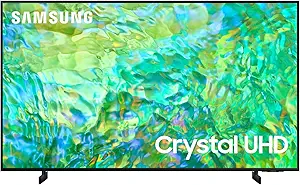
In the dynamic world of television technology, consumers are presented with a multitude of options, each promising unique features and performance. Two brands that cater to different segments of the market are Samsung and Insignia. Samsung, a global leader known for innovation, squares off against Insignia, a brand recognized for providing affordable yet functional electronics. In this article, we'll explore the differences between Samsung and INSIGNIA TVs, helping you make an informed decision based on your preferences and needs.
Key Features Comparison
Affordability
When evaluating affordability in the television marketplace, INSIGNIA and Samsung approach the pricing spectrum from radically different engineering philosophies. INSIGNIA, Best Buy’s house brand, focuses purely on ultra-low barriers to entry, offering bare-bones entry-level sets that deliver exceptional transactional value. By utilizing standard direct-lit LED arrays, generic 60Hz panels, and integrating third-party smart platforms like Amazon’s Fire TV or Roku, INSIGNIA bypasses the expensive proprietary software and hardware R&D typical of tier-one manufacturers. Consequently, budget-conscious consumers, college students, or those outfitting secondary rooms like kitchens and guest bedrooms can purchase large-format 4K displays at a fraction of the cost of legacy brands. The trade-off, however, lies in physical build materials, which rely heavily on lightweight plastics, as well as lower peak brightness, mediocre contrast ratios, and limited color gamut coverage.
Conversely, Samsung represents a premium-tier value proposition that scales from competitive entry-level models (such as the Crystal UHD series) up to ultra-expensive Neo QLED and QD-OLED flagships. While Samsung’s entry-level models are consistently more expensive than similarly sized INSIGNIA units, the price difference reflects substantial engineering enhancements. Even in its mid-to-lower tiers, Samsung invests heavily in proprietary hardware like the Crystal Processor 4K, significantly superior motion-smoothing algorithms, better upscaling performance, and a vastly sturdier industrial design. Furthermore, Samsung's proprietary Tizen OS offers a slick, highly integrated ecosystem experience with broad smart home compatibility. From an affordability perspective, Samsung rarely wins on sheer upfront purchase price, but it often delivers a lower cost-per-year over time due to component longevity, superior panel binning, and higher overall build durability.
Ultimately, the choice between INSIGNIA and Samsung regarding affordability depends on whether a consumer prioritizes minimal upfront expenditure or long-term audiovisual performance. INSIGNIA is undeniably the superior choice for buyers seeking baseline modern functionality on a strict budget, where high-end HDR rendering, wide viewing angles, and advanced gaming features like HDMI 2.1 are unnecessary. In contrast, Samsung provides structured affordability across a stratified lineup: their budget-tier options demand a price premium over INSIGNIA, but that markup is directly justified by superior color accuracy, brighter panels, advanced image processing, and a product life cycle engineered to withstand heavy, primary-screen daily usage.
Picture Quality
Top-Rated Picture Quality Brands




Samsung has long been associated with top-tier display technologies, prominently featuring its QLED (Quantum Dot LED) technology. Samsung's QLED TVs offer vibrant colors, exceptional brightness, and accurate color reproduction. The incorporation of HDR (High Dynamic Range) further elevates the visual experience, making Samsung a preferred choice for those seeking superior picture quality.
Insignia, while not necessarily competing at the premium end of the market, provides affordable options with decent picture quality. Insignia TVs often feature LED panels with standard performance, making them suitable for consumers who prioritize affordability without compromising too much on visual experience.
Brand Reputation
When evaluating brand reputation in the television industry, Samsung and Insignia occupy vastly different tiers, reflecting divergent engineering philosophies and market positioning. Samsung is universally recognized as a premium, tier-one global leader, having dominated the television market for nearly two decades through aggressive research, development, and display innovation. Its brand equity is built on cutting-edge visual technologies, such as proprietary Neo QLED (Mini-LED) and QD-OLED panels, powerful Neural Quantum processors, and sophisticated industrial designs that double as modern home decor, such as The Frame. In contrast, Insignia is Best Buy’s private-label house brand, positioned almost exclusively around affordability, utility, and entry-level accessibility. Insignia does not engineer proprietary panel technology; instead, it relies on contract manufacturers and third-party operating systems—most notably Amazon Fire TV—to deliver functional, turn-key entertainment. While Samsung is synonymous with technical prestige, Insignia carries the reputation of a dependable, no-frills budget option for secondary spaces like guest rooms, kitchens, or dorms.
The technical trade-offs between these two brands directly inform their long-term perceived reliability and consumer satisfaction. Samsung’s formidable reputation is sustained through superior color volume, industry-leading peak brightness for robust HDR performance, and comprehensive gaming feature suites including full-bandwidth HDMI 2.1, variable refresh rates (VRR), and low-latency modes. However, its reputation is occasionally dinged by enthusiast criticism over its continued refusal to license Dolby Vision, favoring HDR10+ instead, as well as an increasingly ad-dense Tizen OS. Conversely, Insignia's reputation trades heavily on pragmatic simplicity; users know they are purchasing commodified edge-lit LED backlights and standard 60Hz panels with limited contrast and muted HDR capabilities, but they benefit from seamless smart home integration via Alexa. While high-end Samsung displays are scrutinized under the harsh lens of videophile standards, Insignia wins customer goodwill simply by exceeding the modest expectations set by its deeply discounted price point, offering respectable durability for a fraction of the cost.
Ultimately, the reputational divide dictates consumer confidence in overall build quality, after-sales service, and long-term support. Samsung retains an aspirational status backed by comprehensive global customer support, sophisticated software update cycles, and robust warranty infrastructure, appealing to consumers seeking a future-proof, primary living-room centerpiece. Insignia, while lacking the prestige and high-tier engineering pedigree of Samsung, enjoys a uniquely favorable reputation among price-conscious buyers thanks to the immediate, local retail backing of Best Buy, which facilitates straightforward returns, exchanges, and Geek Squad technical support. While a Samsung television is an investment in cutting-edge home theater fidelity, an Insignia purchase represents a low-risk, high-utility transaction where the primary expectation is cost efficiency rather than state-of-the-art technological excellence.
Smart Features
When evaluating the smart TV capabilities of INSIGNIA and Samsung, the fundamental difference lies in their operating system architectures and ecosystem integration. INSIGNIA relies primarily on third-party platforms, predominantly Amazon’s Fire TV OS (with select models utilizing Roku TV). This approach offers an intuitive, content-forward interface that seamlessly aggregates major streaming services, excels at voice navigation via Alexa, and provides deep integration with smart home products linked to the Amazon ecosystem. In contrast, Samsung develops and deploys its proprietary Tizen OS across its television lineup. Tizen represents a more sophisticated engineering effort, functioning not just as a media hub, but as a central command station for connected homes via Samsung SmartThings, supporting Matter protocol interoperability and compatibility with both Bixby and Amazon Alexa.
From a technical and feature-set perspective, Samsung’s Tizen OS significantly outperforms INSIGNIA's platform implementations in terms of versatility, processing power, and specialized functionality. Premium Samsung models benefit from high-performance custom silicon that ensures fluid menu navigation, minimal input lag, and advanced features such as Samsung Gaming Hub (which natively streams Xbox Cloud Gaming and GeForce NOW without a console), Multi View screen splitting, and Samsung TV Plus, a robust, free ad-supported streaming TV (FAST) service. INSIGNIA’s Fire TV interface, while capable for standard 4K streaming and basic app management, often suffers from hardware constraints; lower-tier system-on-chips (SoCs) and modest onboard storage can lead to UI sluggishness over time, slower app launching, and a home screen heavily dominated by sponsored Amazon content and advertisements.
The practical trade-offs come down to budget and user intent. INSIGNIA offers immense value for consumers seeking an affordable, straightforward plug-and-play smart experience where voice-driven media playback and standard streaming apps are the primary requirements. However, users must tolerate system-level promotional clutter and potential long-term performance degradation. Samsung demands a higher financial investment, but rewards users with a responsive, feature-dense ecosystem tailored for modern smart homes, power users, and gamers who prioritize expansive multi-device connectivity, superior multitasking, and cutting-edge software support.
Conclusion
Choosing between Samsung and Insignia TVs ultimately depends on your specific needs and budget constraints. If you prioritize top-tier picture quality, sleek designs, and are willing to invest in premium technology, Samsung is likely the better choice. However, if affordability is a key factor and you are seeking a television that delivers decent performance without breaking the bank, Insignia provides a compelling option. Consider your priorities, the features that matter most to you, and your budget before making a decision. Both Samsung and Insignia cater to different market segments, ensuring that consumers have options tailored to their diverse needs.