Unveiling the Ultimate Viewing Experience
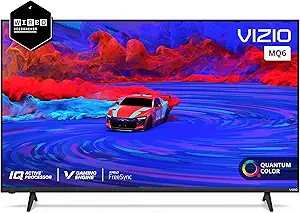
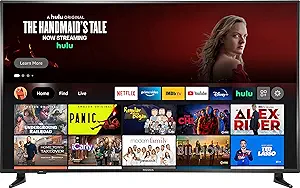
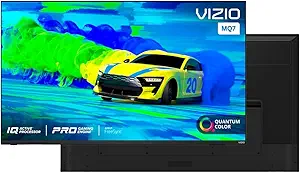
In the ever-evolving landscape of television technology, choosing the right brand is paramount for an immersive home entertainment experience. Vizio and Insignia, two prominent contenders in the market, have garnered attention for their commitment to quality and innovative features. In this article, we'll dive into the strengths and distinctions between INSIGNIA and VIZIO TVs to help you make an informed decision on your next television purchase.
Display Technology:
Both Vizio and Insignia employ different display technologies to cater to a diverse audience. Vizio, known for its cutting-edge approach, utilizes LED and Quantum Dot technology for vibrant colors, sharp contrasts, and impressive brightness levels. Insignia, on the other hand, often offers LED displays with a focus on providing reliable and affordable visual quality. Assess your preferences for display technologies and your budget constraints when comparing the display options presented by each brand.
Resolution and Picture Quality:
The resolution of a TV significantly impacts visual clarity, and both Vizio and Insignia offer a range of options, from Full HD to 4K. Vizio's commitment to delivering an exceptional picture quality is underscored by its use of Quantum Dot technology, ensuring vivid and detailed visuals. Insignia, emphasizing affordability, provides respectable picture quality with its range of Full HD and 4K TVs. Consider your priorities for resolution and visual clarity to determine which brand aligns better with your expectations.
Smart Features:
Modern TVs are expected to offer smart functionality, and both Vizio and Insignia meet this demand. Vizio utilizes the SmartCast platform, known for its user-friendly interface and compatibility with popular streaming services. Insignia, too, integrates smart features in select models, providing access to streaming apps and connectivity options. Evaluate the available smart features, app ecosystems, and ease of use to identify the brand that best suits your streaming and connectivity needs.
Audio Performance:
Audio quality is often overlooked but plays a crucial role in the overall entertainment experience. Vizio often integrates advanced audio technologies, such as DTS Virtual:X and Dolby Atmos, ensuring an immersive sound quality. Insignia, while focusing on affordability, provides TVs with satisfactory audio capabilities suitable for everyday viewing. Consider your audio preferences and whether you plan to invest in additional sound systems when assessing the audio capabilities of each brand.
Build and Design:
The physical appearance of a TV can significantly impact its integration into your living space. Vizio TVs are known for their sleek and modern designs, featuring slim bezels and aesthetically pleasing builds. Insignia, while emphasizing affordability, offers practical and functional designs that appeal to a wide range of consumers. Evaluate the design elements, such as bezel size, stand design, and overall build quality, to choose a TV that seamlessly fits into your home environment.
Conclusion:
Choosing between INSIGNIA and VIZIO TVs involves considering your individual preferences, budget constraints, and the specific features that matter most to you. Vizio stands out for its commitment to cutting-edge technology and sleek designs, while Insignia offers reliable and affordable options without compromising on overall quality. Assess the specific models within each brand, taking into account factors like display technology, resolution, smart features, audio quality, and design. With this information, you can confidently select a TV that aligns perfectly with your entertainment preferences and budget.
Affordability
When evaluating affordability in the television market, INSIGNIA—Best Buy’s proprietary house brand—represents the benchmark for absolute entry-level pricing, whereas VIZIO targets the high-value "budget-premium" segment. INSIGNIA’s engineering model relies on off-the-shelf, low-cost LCD panels combined with basic direct-lit LED backlighting and the integration of third-party smart platforms like Amazon Fire TV or Roku OS. This operational efficiency drastically reduces development and software licensing overhead, allowing INSIGNIA to aggressively undercut the market across 24- to 70-inch models. In contrast, VIZIO invests more heavily in proprietary display engineering, developing its own IQ picture processors and SmartCast (now VIZIO Home) ecosystem. While VIZIO sets a slightly higher initial price floor, it regularly delivers advanced display technologies—such as quantum dots (QLED), Full Array Local Dimming (FALD), and higher peak luminance—at price points that traditional tier-one manufacturers like Sony or Samsung reserve for their upper-tier lines.
The practical trade-offs regarding affordability manifest sharply in performance and feature longevity between the two brands. INSIGNIA delivers reliable "plug-and-play" utility ideal for secondary spaces like guest bedrooms, kitchens, or dorms, but cost-cutting measures are evident in its hardware. These sets generally feature modest native 60Hz refresh rates, low peak brightness that struggles in sunlit rooms, and basic contrast ratios that compromise HDR content. VIZIO, particularly within its D-Series, V-Series, and M-Series tiers, offers far superior technical versatility for only a marginal increase in cost. VIZIO frequently includes gamer-centric affordances like AMD FreeSync, lower input lag, and variable refresh rates (VRR), alongside broader high dynamic range support (including both Dolby Vision and HDR10+), yielding a significantly higher price-to-performance ratio for home theater enthusiasts on a budget.
Ultimately, the definition of affordability separates these brands by intent: INSIGNIA optimizes for the lowest possible upfront transaction cost, while VIZIO optimizes for feature-rich consumer value. Budget-constrained shoppers who need a functional, easy-to-use smart television without visual processing frills will find INSIGNIA virtually unbeatable in raw dollar savings. However, consumers willing to spend slightly more will find that VIZIO offers markedly superior longevity, color accuracy, and technical engineering, making it the more strategically affordable choice when amortizing cost against overall audiovisual performance.
Picture Quality
Top-Rated Picture Quality Brands




The resolution of a TV significantly impacts visual clarity, and both Vizio and Insignia offer a range of options, from Full HD to 4K. Vizio's commitment to delivering an exceptional picture quality is underscored by its use of Quantum Dot technology, ensuring vivid and detailed visuals. Insignia, emphasizing affordability, provides respectable picture quality with its range of Full HD and 4K TVs. Consider your priorities for resolution and visual clarity to determine which brand aligns better with your expectations.
Brand Reputation
When evaluating brand reputation in the television marketplace, Vizio and Insignia occupy distinct tiers within the value-oriented segment, shaped by their market origins and product philosophies. Vizio has spent two decades cultivating a reputation as an ambitious, technology-forward disruptor capable of punching above its weight class. Celebrated for democratizing high-end display technologies such as full-array local dimming, quantum dots, and advanced high dynamic range (HDR) formatting, Vizio is recognized by tech enthusiasts and general consumers as a dedicated TV manufacturer that challenges tier-one industry giants. Conversely, Insignia is Best Buy’s private-label house brand, positioned almost entirely as an utilitarian, cost-first alternative. Its reputation is not built on pioneering display engineering, but rather on accessibility, aggressive price points, and straightforward functionality designed for secondary rooms like kitchens, dorms, and guest bedrooms.
From an engineering and technical execution perspective, Vizio’s reputation carries more prestige due to its proprietary image-processing silicon, such as the IQ processor family, and dedicated gaming suites featuring variable refresh rates (VRR) and 120Hz native panels. While these ambitions earn Vizio critical acclaim for picture quality per dollar, the brand’s reputation is somewhat hampered by persistent long-term quality control quirks, firmware bugs, and an occasionally sluggish native smart platform (SmartCast/Home). In contrast, Insignia completely bypasses the pitfalls of proprietary software development by leveraging third-party platforms, most notably Amazon Fire TV and Roku TV. While Insignia’s display engineering is modest—typically relying on basic 60Hz panels with limited peak brightness and modest contrast ratios—its hardware failure rates are surprisingly low, earning it a reputation for reliable, "plug-and-play" simplicity backed by the seamless retail and return infrastructure of Best Buy.
Ultimately, consumer sentiment reflects the distinct trade-offs inherent to each brand’s positioning. Vizio enjoys a stronger standing among consumers who prioritize cinephile-lite performance and home theater capabilities on a budget, though buyers accept a slight gamble regarding software stability and longevity. Insignia holds a stable, unpretentious reputation as a low-risk, disposable-budget champion, free from the expectation of cinematic brilliance. For an affordable primary living-room centerpiece, Vizio commands greater respect and perceived value, whereas Insignia maintains a steadfast reputation as an unbeatable entry-level option where price and basic operational reliability are the only metrics that matter.
Smart Features
Modern TVs are expected to offer smart functionality, and both Vizio and Insignia meet this demand. Vizio utilizes the SmartCast platform, known for its user-friendly interface and compatibility with popular streaming services. Insignia, too, integrates smart features in select models, providing access to streaming apps and connectivity options. Evaluate the available smart features, app ecosystems, and ease of use to identify the brand that best suits your streaming and connectivity needs.