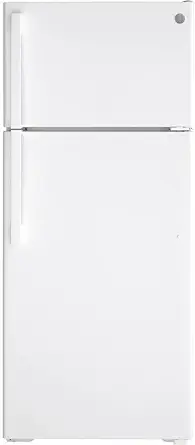
In the realm of kitchen appliances, refrigerators hold a special place as the workhorses that keep our food fresh and our drinks cold. Samsung and GE are two household names that dominate this market, each offering a wide array of refrigerator models with unique features and innovative designs. In this article, we'll pit Samsung against GE in a head-to-head comparison, examining their key features, performance, and overall value proposition to help you make an informed decision for your kitchen.
Key Features Comparison
Features
When evaluating the feature landscape of modern refrigeration, Samsung positions itself as a digital-first innovator, while GE (General Electric) prioritizes practical utility, food preservation science, and serviceability. Samsung’s flagship strength lies in its smart ecosystem and hyper-modern conveniences, most visibly embodied by the Family Hub platform. This system integrates internal cameras, digital inventory tracking, and touchscreen entertainment directly into the door panel. Beyond connectivity, Samsung excels in flexible compartment engineering; its FlexZone drawers and Bespoke four-door configurations allow users to toggle entire compartments between soft-freezing, beverage chilling, and standard refrigeration. Furthermore, innovations like the recessed AutoFill water pitcher with built-in infusion channels and dual ice makers producing both cubed and bite-sized "Ice Bites" demonstrate Samsung's commitment to lifestyle-oriented functionality.
Conversely, GE focuses its engineering prowess on high-utility mechanical features and food preservation dynamics. Through proprietary technologies like the TwinChill dual-evaporator system, GE ensures that the fresh food and freezer compartments maintain completely isolated airflows, dramatically reducing odor transfer and stabilizing humidity levels more consistently than Samsung’s baseline models. GE’s functional advancements are grounded in daily practicality: its hands-free AutoFill dispenser utilizes ultrasonic sensors to fill any container to capacity without manual input, and select models feature an advanced water filtration system certified to reduce trace pharmaceuticals, lead, and PFOA/PFOS chemicals. For specialized configurations, GE’s upscale lines (such as GE Profile) incorporate high-end features like built-in Keurig K-Cup brewing systems and door-in-door storage that minimize interior thermal loss.
The practical trade-off between the two brands centers on cutting-edge lifestyle connectivity versus long-term mechanical reliability. Samsung delivers unmatched smart-home integration, modular exterior aesthetics, and superior craft-ice variety, but its intricate digital interfaces and historically problematic in-door ice maker designs introduce more potential points of electronic and mechanical failure. GE’s features may appear less flashy, but they offer superior day-to-day dependability, more robust temperature management, and intuitive ergonomics. Ultimately, consumers seeking an interconnected, tech-forward kitchen hub with versatile cooling zones will favor Samsung, whereas those who value advanced water filtration, precise climate control, and tried-and-true mechanical utility will find GE’s feature set substantially more rewarding.
Performance
When evaluating core refrigeration performance, Samsung emphasizes advanced digital climate control and high-tech modular cooling. Most Samsung French door and multi-door units rely on Twin Cooling Plus or Triple Cooling systems, utilizing independent evaporators and fans for the fresh food and freezer compartments. This architectural design excels at maintaining optimal humidity levels in the refrigerator—preventing produce from wilting prematurely—while circulating dry, cold air in the freezer to virtually eliminate freezer burn and cross-compartment odor transfer. Furthermore, Samsung’s Digital Inverter Compressors operate at variable speeds, adapting dynamically to temperature fluctuations caused by frequent door openings. However, while Samsung achieves exceptional temperature precision and rapid chill recovery through features like Power Cool and Metal Cooling plates, their engineering complexity has historically introduced vulnerability, particularly concerning the thermal management and airflow around their through-the-door ice makers.
In contrast, GE prioritizes mechanical robustness, airflow volume, and rugged consistency across its lineup, ranging from standard units up to its Profile and Café series. GE's engineering foundation leans on its TwinChill dual evaporators in higher-end models, which match Samsung’s humidity retention capabilities, alongside heavily optimized single-compressor designs in entry-to-mid tier offerings. GE's distinct technical advantage lies in thermal stability through brute-force air circulation and advanced filtration. The brand's integrated Turbo Cool setting rapidly drops internal temperatures after heavy loading, while its proprietary water and air filtration systems (including the pharmaceutical-grade RPWFE filter) consistently outperform Samsung in purifying inputs. Crucially, GE has optimized the mechanics of cold air delivery to its icemakers, suffering significantly fewer thermal sensor failures and freeze-up cycles than Samsung, which translates directly to more dependable day-to-day operation.
Ultimately, the practical trade-offs come down to cutting-edge precision versus long-term mechanical reliability. Samsung delivers superior initial metrics in humidity preservation, silent operation, and ultra-precise zone cooling via flexible convertible drawers that can switch between chilling wine, storing meats, or freezing treats. However, GE wins on rugged real-world endurance and operational predictability; its components demonstrate better tolerance to ambient kitchen temperature swings and electrical fluctuations without throwing diagnostic errors or experiencing defrost-drain clogs. For consumers prioritizing peak produce preservation and whisper-quiet cooling, Samsung holds the technical edge, whereas buyers seeking durable, low-headache temperature regulation and vastly superior ice-making performance will find GE to be the more dependable choice.
Design
When evaluating refrigerator design, Samsung positions itself at the cutting edge of contemporary, tech-integrated aesthetics, whereas GE emphasizes pragmatic engineering, utilitarian durability, and timeless domestic functionality. Samsung’s design philosophy revolves around high-impact visual minimalism, evident in their popular Bespoke lineup with customizable glass and steel door panels, recessed handles, and ultra-flush flat-door profiles. This sleek modernism extends inside with features like the Beverage Center—an internal, concealed water pitcher and dispenser engineered to preserve seamless exterior lines—and integrated touchscreens powered by the Family Hub platform. However, while Samsung achieves a magazine-worthy, integrated appearance, this design focus occasionally compromises long-term reliability; tightly toleranced, high-tech components like multi-functional door hinges and embedded electronics often represent structural vulnerabilities that require specialized servicing compared to more traditional layouts.
Conversely, GE (General Electric) prioritizes ergonomic reliability, sensible spatial efficiency, and time-tested structural layouts. Rather than chasing disruptive aesthetic trends, GE’s core portfolio relies on robust industrial geometry featuring fingerprint-resistant slate and stainless steel finishes, substantial pocket or bar handles, and heavily reinforced door bins capable of handling significant weight. Inside, GE prioritizes utilitarian engineering: their shelves feature spill-proof raised lips, the LED lighting configurations are optimized to eliminate dark zones on crowded lower shelves, and features like the AutoFill dispenser mechanically calculate container depth for hands-free convenience without demanding digital screen interaction. While GE’s overall exterior aesthetic can appear somewhat conservative and bulky compared to Samsung’s razor-thin bezel profiles, the structural trade-off yields thick, highly insulated cabinet walls and mechanically sound hinge mechanisms built to withstand aggressive daily family usage.
Ultimately, the design choice between Samsung and GE reflects a fundamental divergence in consumer priorities: high-concept visual integration versus traditional mechanical pragmatism. Samsung offers a superior, customizable design language that transforms the refrigerator into a stylish architectural centerpiece, appealing strongly to homeowners undertaking modern kitchen remodels where aesthetic fluidity is paramount. GE, on the other hand, delivers a functionally superior design for heavy-use environments where physical ease-of-cleaning, component longevity, and intuitive interior compartmentalization outweigh the appeal of minimalist facades and digital interfaces.
Conclusion
Samsung and GE are both renowned brands in the home appliances sector, particularly for refrigerators. Samsung refrigerators are known for their innovative technology, sleek design, and energy efficiency. The brand continuously incorporates the latest technologies in their products, such as the Family Hub, which allows users to manage food, communicate with family, and entertain directly from the refrigerator. However, some users have reported issues with the durability of Samsung refrigerators, particularly with the ice makers. On the other hand, GE refrigerators are recognized for their reliability and durability. They offer a wide range of models with varying features and prices, catering to a broad customer base. GE Profile Series refrigerators, for instance, are equipped with advanced features like hands-free autofill and hot water dispensers. However, compared to Samsung, GE refrigerators may lack in terms of design aesthetics and the integration of smart technology. When compared to other brands, both Samsung and GE stand out for their respective strengths - Samsung for its innovation and GE for its dependability.
Compare current retail pricing, active promotions, and verified stock availability directly from authorized stores: