




Flashforge is a veteran brand in the desktop 3D printing space, known for producing enclosed, beginner-friendly machines that excel in educational and professional environments. Since 2011, the company has developed a reputation for safe, plug-and-play printers like the Finder, Adventurer, and Creator series — all designed for reliability over raw performance.

Bambu Lab, by contrast, is a bold newcomer that has disrupted the market with lightning-fast, feature-rich machines like the X1-Carbon, P1P, and A1 Mini. Founded by ex-DJI engineers, Bambu emphasizes speed, automation, and a tightly integrated ecosystem — offering an appliance-like experience rather than a tinkerer's playground.
Print Quality & Speed
🟦 Flashforge printers deliver respectable quality, particularly in mid-range models like the Adventurer 4 and Creator 3 Pro, with good surface finish and dimensional accuracy. Entry-level machines are tuned for stability and safety rather than outright speed. While the new Adventurer 5M Pro can hit 600 mm/s, the finest details still benefit from slower, steadier printing.

🟪 Bambu Lab builds speed and quality into its DNA. CoreXY motion systems (diagonal belt layout that reduces moving mass), active vibration compensation, and default print speeds of about 250–300 mm/s let Bambu machines maintain crisp, clean detail even at high velocity.
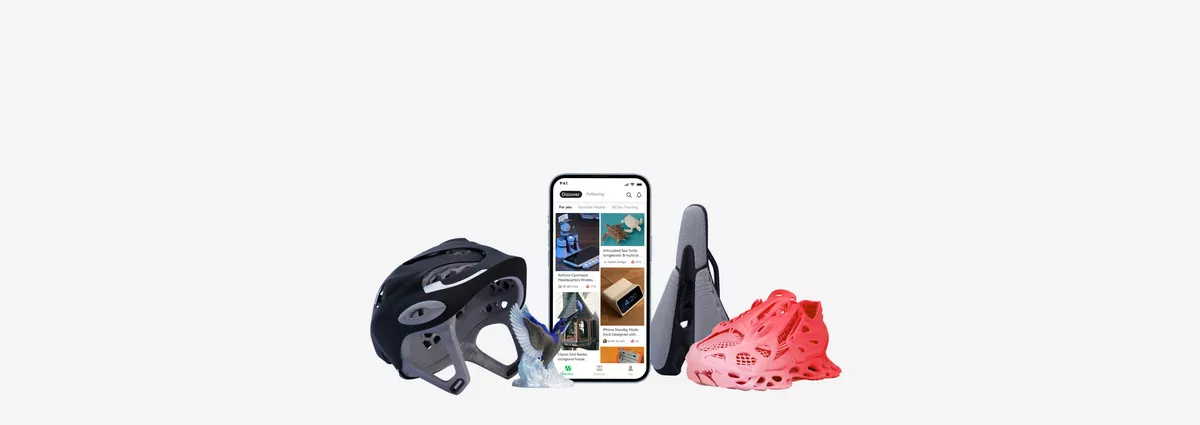
✅ Bambu Lab clearly leads in speed and precision, especially at higher speeds.
Material Compatibility
🟦 Flashforge machines typically run PLA, PETG, and TPU. Higher-end models like the Creator 3 Pro accept PC, ABS, and PA (Nylon) with their high-temperature hotends. Many Flashforge units use proprietary filament chips, limiting third-party compatibility unless modified.
🟪 Bambu Lab printers such as the X1C and X1E support ABS, PETG, TPU, PA, and carbon-fiber composites (especially in enclosed versions). The AMS multi-material unit prefers Bambu-branded spools, so third-party filaments may need manual profile tweaks.
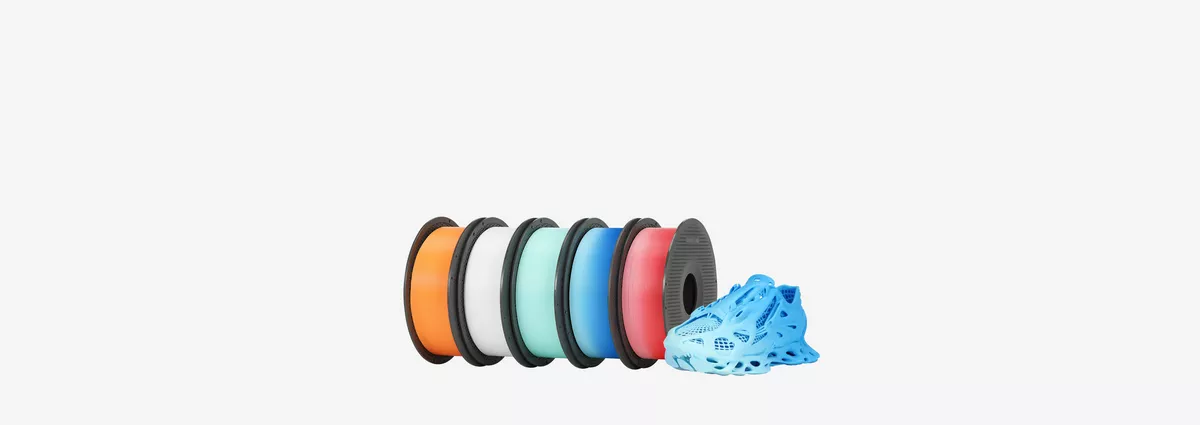
✅ Both brands cover a wide range, but Bambu Lab is slightly ahead in high-end filament handling despite some proprietary quirks.
Maintenance
🟦 Flashforge machines are beginner-friendly to service: nozzles are accessible, and routine tasks are straightforward. Proprietary parts can complicate major upgrades or off-brand repairs.
🟪 Bambu Lab keeps daily maintenance light, but the AMS unit and tightly integrated design can make deep repairs trickier. Modules are replaceable, yet less open than rivals.
✅ Flashforge is easier to maintain for beginners and educators; Bambu Lab requires slightly more effort when issues arise.
Technology & Features
🟦 Flashforge takes a steadier path, emphasizing cloud printing, HEPA filtering, silent stepper drivers, and dual extrusion on selected models. Features arrive slowly but are well-tested and dependable.
🟪 Bambu Lab is packed with innovation: LIDAR-assisted calibration, AMS for multi-material printing, cloud control, vibration compensation, and automatic flow adjustment, all tied together by a robust slicer and mobile app.
✅ Bambu Lab easily wins on technology and advanced features.
🟦 Choose Flashforge if you are:
- A teacher or school needing classroom-safe, enclosed machines
- A beginner who wants low-maintenance, stable printing
- Someone focused on reliable PLA workflows without cutting-edge features
🟪 Choose Bambu Lab if you are:
- A designer or engineer seeking fast, professional-grade results
- A busy maker who values automation and cloud integration
- Someone who wants the latest high-tech tools and a modern workflow
Conclusion
Each brand serves a distinct audience: Flashforge is ideal for safe, predictable, plug-and-play printing in educational and institutional settings. Bambu Lab, on the other hand, is perfect for users seeking innovation, speed, and cutting-edge tools in a refined, modern package.