





In the expansive world of television options, consumers are faced with a multitude of brands catering to various budgets and preferences. This article explores the comparison between LG and Sceptre TVs, shedding light on the strengths and features of each brand to assist you in making an informed decision for your next television purchase.
Key Features Comparison
Affordability
When evaluating affordability, Sceptre operates on a business model purely dedicated to aggressive value engineering and rock-bottom entry pricing. By eliminating modern smart TV platforms, proprietary operating systems, complex image processing engines, and high-end chassis materials, Sceptre passes immense manufacturing savings directly to the consumer. A 4K or 1080p display from Sceptre frequently undercuts comparable screen sizes from mainstream competitors by dozens, if not hundreds, of dollars. For budget-constrained shoppers, educational settings, or secondary utility spaces like garages, Sceptre presents a virtually unbeatable cost-per-inch metric, prioritizing baseline display functionality over cosmetic polish or cutting-edge technical capabilities.
Conversely, LG’s pricing architecture reflects its status as a premium tier manufacturer, where even their budget-oriented LED lineups carry a moderate price premium over white-label alternatives like Sceptre. LG invests significantly in research, development, and licensing, incorporating webOS smart features, sophisticated α (Alpha) AI processors, and broad HDR protocol support (including Dolby Vision) across mid-tier and high-end models. While LG does offer entry-level LED models that capture budget-conscious consumers, their true technological showcase lies in their class-leading OLED displays, which demand premium investment. Ultimately, while Sceptre easily wins the raw upfront price comparison, LG provides deeper long-term value through higher-grade panel reliability, superior processing, and modern software longevity.
Picture Quality
Top-Rated Picture Quality Brands




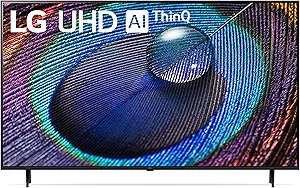
Both LG and Sceptre offer a range of resolutions, including Full HD (1080p) and 4K Ultra HD (2160p). LG's 4K OLED displays are celebrated for their sharp details, life like colors, and impressive clarity. The brand's commitment to pushing the boundaries of resolution technology ensures a premium viewing experience.
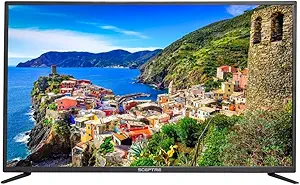
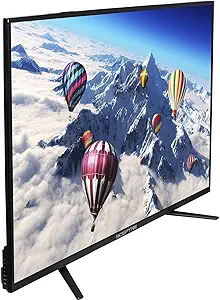
Sceptre, known for its affordability, provides competitive picture quality at more accessible price points. Models like the Sceptre U550CV-U showcase 4K resolution, offering consumers a cost-effective option for enjoying higher resolutions without breaking the bank.
Brand Reputation
LG stands as a global titan and pioneer within the home entertainment display industry, holding an enviable reputation particularly for driving OLED innovation. Consumer perception of LG is overwhelmingly anchored in technological leadership, high build quality, and cutting-edge display performance. The brand has earned immense critical acclaim from audio-video purists, gamers, and industry reviewers for deep contrast ratios, exceptional color accuracy, and feature-rich gaming capabilities like native 120Hz refresh rates, HDMI 2.1 support, and variable refresh rate (VRR) integration. Consumers choosing LG typically view the brand as a dependable, forward-thinking market leader backed by comprehensive global customer support and sustained product development.
Sceptre, on the other hand, occupies a niche reputation as a budget-first utilitarian brand specializing in ultra-low-cost monitors and televisions. With limited consumer footprint outside of North American discount and online retail channels like Walmart and Amazon, Sceptre does not carry the prestige or brand equity associated with major tier-one manufacturers. Consumer sentiment towards Sceptre is heavily polarized: price-conscious buyers praise the brand for delivering reliable, no-frills hardware at accessible prices, while enthusiasts often cite panel quality control variances, subpar onboard audio engineering, and washed-out color reproduction. Sceptre’s brand identity remains firmly tethered to bare-minimum functional utility rather than innovation or aspirational performance.
Smart Features
The integration of smart TV capabilities has become standard, and both LG and Sceptre offer platforms to enhance the overall viewing experience. LG employs webOS, known for its intuitive interface, quick app access, and support for voice control. LG's Magic Remote further enhances user convenience with features like motion control and voice recognition.
Sceptre, while not as widely recognized for its smart TV features, offers a functional platform for accessing popular streaming services and apps. The focus is on providing essential smart capabilities without adding unnecessary complexity, making it suitable for users seeking simplicity and affordability.
Conclusion
Choosing between LG and Sceptre TVs involves a consideration of your specific needs, budget constraints, and the features that matter most to you. LG's OLED displays offer an unparalleled visual experience, while Sceptre aims to provide affordable LED displays and competitive picture quality. Evaluate factors such as display technology, resolution, smart TV features, and design aesthetics to find the TV that aligns with your unique preferences and budget.