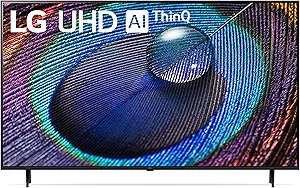
In the vast landscape of television options, LG and Insignia emerge as contenders, each offering a unique combination of features and affordability. This article will delve into the comparison between LG and INSIGNIA TVs, shedding light on their strengths, display technologies, smart features, and design aesthetics to help you make an informed decision when selecting your next television.
Key Features Comparison
Affordability
When evaluating affordability, Insignia operates firmly as an entry-level, value-first brand, whereas LG spans the entire spectrum from budget-friendly LED panels to premium, four-figure OLED displays. Insignia, Best Buy’s house brand, focuses almost exclusively on minimizing consumer barrier to entry. By utilizing off-the-shelf components, standard direct-lit LED backlighting, and simplified audio hardware, Insignia delivers functional 4K and 1080p televisions at rock-bottom prices. For shoppers seeking secondary displays for guest rooms, college dorms, or kitchens, Insignia provides an undeniable cost-per-inch advantage, allowing buyers to secure expansive screen sizes with basic HDR decoding for a fraction of tier-one brand prices.
Conversely, LG’s pricing architecture reflects its position as a primary innovator in display technology, making its catalog considerably more expensive on average. While LG does produce entry-level LED models (such as the UR and UT series) that compete in the sub-$500 category, these sets still command a slight price premium over comparable Insignia units due to better panel calibration and industrial design. Beyond the entry level, LG dominates the premium market with its B, C, and G-series OLED televisions, which cost substantially more. While Insignia represents purely transactional affordability through minimal initial capital outlay, LG offers long-term value through superior component longevity, cutting-edge panel technology, and advanced processing that budget-focused brands simply cannot engineer at lower price points.
Picture Quality
Top-Rated Picture Quality Brands




Both LG and Insignia offer a range of resolutions, including Full HD (1080p) and 4K Ultra HD (2160p). LG's 4K OLED displays are celebrated for their sharp details, lifelike colors, and exceptional clarity. The brand's commitment to pushing the boundaries of resolution technology ensures a premium viewing experience.
Insignia, catering to budget-conscious consumers, provides competitive picture quality at more accessible price points. Models like the Insignia NS-43DF710NA21 showcase 4K resolution, offering consumers an economical option for enjoying higher resolutions without compromising on quality.
Brand Reputation
LG holds an elite tier-one reputation globally, recognized as an industry pioneer and standard-setter in modern display manufacturing. As the premier supplier of large-format OLED panels to the global television market, LG’s engineering prowess is lauded by industry analysts, home theater purists, and high-end gamers alike. The brand has built immense consumer trust over decades through consistent performance benchmarks, widespread critical acclaim from tech evaluators, and award-winning picture processing. While LG occasionally faces standard customer support critiques common to global electronics giants, its overall brand equity is rooted in premium build quality, reliability, and technical innovation.
Insignia, by contrast, occupies the tier-three consumer space with a reputation built purely on practical utility and retail convenience. Sold predominantly through Best Buy, Insignia is perceived as a dependable, budget-conscious brand rather than a technological trailblazer. Consumer expectations for Insignia are inherently calibrated around cost efficiency rather than cinema-grade fidelity. While user feedback regularly praises the brand's hassle-free return logistics via physical retail locations, it also frequently highlights trade-offs like inconsistent panel uniformity, higher failure rates after a few years of operation, and utilitarian plastic construction. Insignia’s reputation is respectable for what it is—a no-frills utilitarian brand—but it lacks the prestige and engineering stature commanded by LG.
Smart Features
The divergence in smart functionality centers around LG’s proprietary ecosystem versus Insignia’s integration of third-party platforms. LG deploys its proprietary webOS interface, an intuitive, responsive operating system driven by the brand's renowned Magic Remote with point-and-click navigation. Powered by LG's proprietary Alpha processing chips in its mid-to-high tier sets, webOS excels in multi-tasking, intelligent content curation, and broad smart home integration via Apple HomeKit, AirPlay 2, and LG ThinQ. Furthermore, LG is widely recognized as the leader in gaming-oriented smart features, offering a comprehensive Game Optimizer dashboard, full 48Gbps HDMI 2.1 bandwidth on multiple ports, and native support for Variable Refresh Rate (VRR), NVIDIA G-Sync, and AMD FreeSync Premium.
Insignia bypasses internal OS development by licensing the Amazon Fire TV platform (and occasionally Roku TV), effectively outsourcing its smart software layer. This approach provides users with a mature, familiar interface characterized by extensive native app availability and deep integration with Amazon Alexa voice controls. For casual viewers who primarily stream from services like Netflix or Prime Video, Insignia’s interface is straightforward and highly accessible. However, the system is hindered by slower system-on-a-chip (SoC) hardware, leading to noticeable UI navigation lag, slower app boot times, and invasive on-screen advertising. Additionally, Insignia sets lack sophisticated gaming features, rarely exceeding 60Hz refresh rates or offering advanced low-latency processing, making LG vastly superior for power users and modern gaming consoles.
Conclusion
Choosing between LG and Insignia TVs involves a consideration of your specific needs, budget constraints, and the features that matter most to you. LG's OLED displays offer an unparalleled visual experience, while Insignia aims to provide affordable LED displays and competitive picture quality. Evaluate factors such as display technology, resolution, smart TV features, and design aesthetics to find the TV that aligns with your unique preferences and budget.