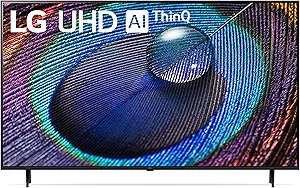
In the highly competitive world of smart TVs, LG and Amazon have risen to prominence as industry leaders, each bringing a distinct set of features and technologies to the table. This article aims to unravel the showdown between LG and Amazon TVs, exploring their strengths, weaknesses, and the unique qualities that make them stand out in the ever-evolving landscape of smart televisions.
Key Features Comparison
Affordability
When evaluating affordability in the television space, Amazon and LG operate with fundamentally different business models and pricing philosophies. Amazon focuses on extreme cost efficiency, positioning its Fire TV Omni and 2-Series lines to disrupt the budget-to-midrange market. By leveraging its e-commerce ecosystem and subsidizing hardware costs through integrated digital storefronts and targeted advertising, Amazon can manufacture panels that deliver remarkable initial value. Their sets offer essential modern standards, such as 4K resolution, HDR10, and integrated hands-free Alexa voice controls, at price points that significantly undercut traditional legacy competitors. However, achieving this rock-bottom pricing requires engineering trade-offs; Amazon models frequently utilize less sophisticated direct-lit LED backlights with limited local dimming zones, lower peak brightness thresholds, and modest chassis materials that reflect their budget-first mandate.
In contrast, LG’s pricing architecture reflects a Tier-1 manufacturer with a vast, tiered portfolio spanning from budget-friendly LED models to class-leading OLED displays. While LG offers entry-level LED and NanoCell options that technically compete with Amazon’s price brackets, the true technical strengths of the brand emerge in its premium-tier OLEDs (like the C-series and G-series), where affordability is measured by performance-per-dollar rather than the lowest outright sticker price. LG amortizes significant internal research and development costs across proprietary image processing technologies—namely their deep-learning α (Alpha) processors—advanced gaming features like full-bandwidth HDMI 2.1 and G-Sync compatibility, and webOS interface engineering. Consequently, an entry-level LG unit often carries a slight price premium over an equivalent Amazon screen while providing superior color accuracy and off-axis viewing, though it may lack the native smart-home integration ubiquity that Amazon's Fire OS inherently provides.
The practical trade-off between the two brands centers on whether a consumer prioritizes absolute upfront cash savings or long-term audiovisual performance. Amazon represents pure transactional affordability, delivering an accessible, competent smart television experience ideal for secondary rooms, rental properties, or casual, budget-conscious viewers who do not demand cutting-edge home theater fidelity. LG, on the other hand, targets consumers seeking enduring value; even their midrange models justify higher price points through superior panel reliability, sophisticated motion-handling algorithms, and lower input lag. Ultimately, Amazon wins the race to the bottom for the lowest initial expenditure, while LG dominates true holistic affordability by providing superior engineering longevity and visual fidelity across the middle and upper segments of the market.
Picture Quality
Top-Rated Picture Quality Brands





When evaluating picture quality, LG and Amazon represent vastly different tiers of engineering ambition and display prowess. LG is an industry titan and pioneer in display technology, most notably through its self-lit OLED panels and advanced QNED (Quantum Dot NanoCell) mini-LED lineups. LG’s proprietary α (Alpha) AI video processors offer elite upscaling, dynamic tone mapping, and motion handling, resolving fine details from sub-4K sources with surgical precision. Because LG’s OLED pixels turn off completely, their premium displays achieve perfect, infinite contrast ratios with zero light bleed—delivering reference-grade black levels and exceptional color volume. Conversely, Amazon focuses on the budget-to-midrange market with its Fire TV Omni, Omni QLED, and 2-Series/4-Series models. While the Omni QLED uses a quantum dot layer to deliver respectable peak brightness and punchy color saturation, it relies on traditional full-array local dimming with a limited zone count, resulting in noticeable blooming, elevated black levels in dark-room viewing, and basic video processing that struggles with low-bitrate compression artifacts.
The technical trade-offs between the two brands mirror their intended price-to-performance targets. LG caters to cinephiles, gamers, and discerning home theater enthusiasts by offering comprehensive HDR format support (including Dolby Vision, HDR10, and HLG), high native refresh rates (120Hz to 144Hz), and near-instantaneous pixel response times that eliminate motion blur. Amazon’s flagship Omni series punches above its weight class by offering Dolby Vision IQ and HDR10+ Adaptive at an accessible entry price, making it a capable centerpiece for everyday streaming in bright living rooms. However, Amazon panels exhibit narrower viewing angles with pronounced color shifting from off-axis positions, alongside slower pixel response times that lead to slight smearing in fast-paced sports or gaming sequences. Ultimately, while an Amazon Fire TV provides a vibrant, competent, and cost-effective picture for casual viewing, LG remains in a superior class of visual fidelity, contrast depth, and image processing precision.
Brand Reputation
LG holds an elite reputation in the television industry, widely regarded by cinephiles, gamers, and industry experts as a pioneer in premium display engineering. Over decades, the South Korean conglomerate has earned immense credibility by commercializing and perfecting OLED technology through its LG Display arm, consistently setting benchmark standards for true black levels, infinite contrast ratios, and exceptional color fidelity. Beyond panel manufacturing, LG’s brand prestige is reinforced by its sophisticated proprietary processing engines, such as the Alpha-series chipsets, and its fully featured webOS platform. Consumers associate the LG brand with high-end durability, cutting-edge gaming performance—featuring extensive low-latency inputs, variable refresh rates, and full HDMI 2.1 bandwidth—and a pervasive legacy of engineering leadership across both budget and ultra-luxury consumer electronics.
Conversely, Amazon approaches the television category as a disruptive, value-first ecosystem challenger rather than a traditional hardware innovator. Operating primarily through its Fire TV Omni, 4-Series, and 2-Series lines, Amazon’s reputation centers on ultra-accessible pricing and seamless smart home integration anchored by hands-free Alexa functionality. Instead of pushing display boundaries with bespoke panel technologies, Amazon relies on outsourced original design manufacturers (ODMs) to produce standard LED and QLED backlights paired with commodity-grade image processing. Consequently, while Amazon has quickly secured a strong reputation among mainstream buyers for delivering capable, budget-friendly screens that serve as central hubs for IoT automation, it lacks the critical prestige, color science expertise, and build-quality acclaim that video purists demand.
When weighing the practical trade-offs of brand reputation, the choice reflects fundamentally different consumer expectations. Investing in LG buys access to proven optical research, tier-one panel reliability, and a brand identity synonymous with reference-level cinema performance, though it commands a distinct premium, particularly at the mid-to-high tiers. Amazon trades that engineering heritage and visual fidelity for unmatched ecosystem cohesion and aggressive cost savings. While Amazon’s software-first television pedigree yields convenient and constantly updated utility for everyday streaming, LG retains the decisive advantage in long-term hardware reliability, structural craftsmanship, and critical visual engineering pedigree.
Smart Features
LG's smart TVs come equipped with webOS, providing a user-friendly interface and easy access to various apps and features. The inclusion of voice control features and compatibility with virtual assistants like Google Assistant and Amazon Alexa adds a layer of convenience for users seeking hands-free operation.
Amazon's Fire TV Edition, as previously mentioned, harnesses the power of Alexa for smart features. Users can control their TVs, search for content, and perform various tasks through voice commands. The integration of Alexa skills expands the capabilities, allowing users to control smart home devices and access a broader range of voice-activated functionalities.
Conclusion
Choosing between LG and Amazon TVs depends on individual preferences, budget considerations, and specific needs. LG excels in pushing the boundaries of display technology with its OLED panels, making it an excellent choice for those who prioritize visual excellence. Amazon, with its Fire TV Edition, offers a compelling package with a focus on affordability, a vast content ecosystem, and the convenience of Alexa for smart control. In the dynamic landscape of smart TVs, both LG and Amazon continue to refine and expand their offerings, ensuring that consumers have a range of options to suit their unique entertainment preferences. Whether it's the cutting-edge display technology of LG or the content integration and smart features of Amazon, the clash of these titans remains an exciting spectacle in our living rooms.