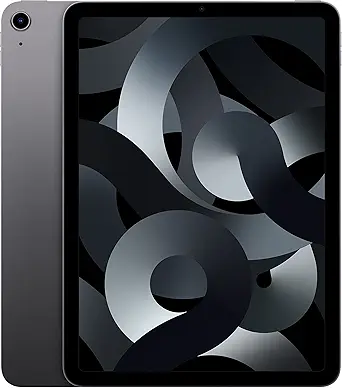
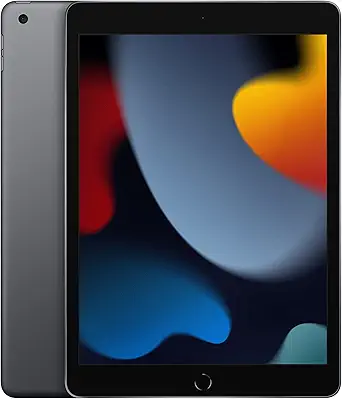
TCL vs Apple: Overview
Comparing TCL and Apple helps you determine which brand is best suited for your needs in Tablets. Both brands offer strong choices depending on your budget and key feature requirements.
Key Features & Comparison
Evaluate factors such as build quality, warranty, customer satisfaction, and total value before making your final purchase choice between TCL and Apple.
Affordability
When evaluating affordability, TCL operates with a clear mission to democratize tablet technology by dominating the entry-level and mid-range tiers. The brand positions models such as the TCL TAB series and NXTPAPER devices well within reach of budget-conscious consumers, students, and casual media consumers. For a fraction of the cost of premium competitors, TCL frequently bundles accessories like styluses, protective cases, or detachable keyboards right in the box. This inclusive packaging dramatically lowers the total cost of ownership, making TCL an exceptional choice for users who need a functional, internet-connected slab without absorbing a steep financial penalty.
Apple, conversely, approaches affordability through the lens of long-term value retention rather than a low initial purchase barrier. While the baseline iPad provides a relatively accessible entry point into the premium ecosystem, Apple's pricing strategy skews significantly higher once users consider middle-tier configurations like the iPad Air or the flagship iPad Pro. Furthermore, essential peripherals such as the Apple Pencil and Magic Keyboard are sold separately at steep price points. However, Apple justifies this higher barrier through unparalleled build longevity, multi-year operating system support, and robust trade-in resale values, creating an economic equation where users pay significantly more upfront for an extended, durable device lifecycle.
Battery Life
Battery performance reveals differing engineering philosophies, with TCL relying on power-sipping hardware to extract maximum endurance. Many of TCL’s specialized models utilize mid-range processors and unique matte or NXTPAPER display technologies that naturally draw considerably less power than standard backlights. As a result, TCL tablets often excel at mixed, low-intensity tasks such as continuous e-reading, document editing, and web browsing, easily stretching runtime into multiple days of intermittent use. The trade-off typically surfaces during charging, where TCL’s budget-oriented charging speeds can mean prolonged tethering to an outlet when replenishing large-capacity cells.
Apple approaches battery endurance with a reliable standard of consistency, engineering virtually all modern iPads around a dependable 10-hour benchmark for web surfing or video playback. What sets Apple apart is the intelligent power gating of its custom silicon, which seamlessly balances high-performance and high-efficiency CPU cores to handle intense workflows without catastrophic battery drainage. Standby power draw in iPadOS is industry-leading, meaning an idle iPad loses negligible charge over several days. While heavy creative tasks like 4K video rendering or 3D gaming will drain an iPad faster, Apple’s integration of faster USB-C Power Delivery ensures rapid top-ups during critical working sessions.
Display
Display engineering represents one of the starkest contrasts between the two manufacturers, highlighted by TCL's dedication to specialized visual comfort. TCL stands out in the crowded tablet landscape with its proprietary NXTPAPER display technology, which employs multi-layer diffusion and anti-glare etching to mimic the visual sensation of reading on real paper. This hardware-level blue-light reduction and reflection-free matte surface offer unmatched comfort for long study sessions, voracious readers, and outdoor note-taking. However, this matte diffusion can slightly mute color saturation and peak brightness compared to conventional glossy panels, making TCL displays less suited for color-critical media production.
Apple sets the industry benchmark for visual fidelity, precision, and peak brightness across its entire tablet portfolio. Utilizing technologies ranging from high-resolution Liquid Retina IPS panels to cutting-edge Tandem OLED displays with ProMotion 120Hz adaptive refresh rates, Apple prioritizes broad color gamuts (P3), uniform backlighting, and remarkable color accuracy. The viewing experience on an iPad is engineered for maximum visual impact, delivering deep contrasts, vibrant highlights, and ultra-fluid touch responsiveness. For digital artists, videographers, and users who demand cinematic HDR video streaming, Apple's displays deliver a level of optical excellence that TCL's budget and comfort-focused panels do not attempt to rival.
Performance
TCL delivers pragmatic, efficiency-oriented performance by leveraging entry-level and mid-tier chipsets, commonly sourced from MediaTek or Qualcomm’s lower-tier Snapdragon series. Paired with lightweight Android interfaces, TCL tablets capably manage foundational computing tasks such as streaming 1080p video, running video conferencing applications, and managing standard split-screen multitasking. However, these chipsets feature limited GPU bandwidth and lower memory ceilings, which become apparent through micro-stutters during heavy multitasking, prolonged app launch sequences, and an inability to smoothly run demanding 3D games or process complex local computing tasks.
Apple fundamentally outclasses TCL in raw processing power through its proprietary silicon architectures, progressing from the A-series chips in entry-level units to the desktop-class M-series processors in the iPad Air and iPad Pro. These processors deliver unrivaled single-core and multi-core computational speeds, coupled with dedicated Neural Engines and high-performance media encoders. An iPad handles massive raster illustration files, multi-stream 4K timeline editing, and intensive 3D rendering with effortless fluidness. Furthermore, Apple’s unified memory architecture and close hardware-software synergy guarantee that performance remains snappy and reliable across several major iPadOS updates, future-proofing the device for years.