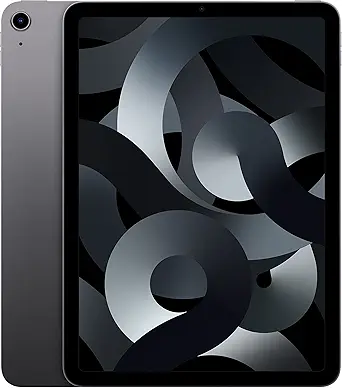
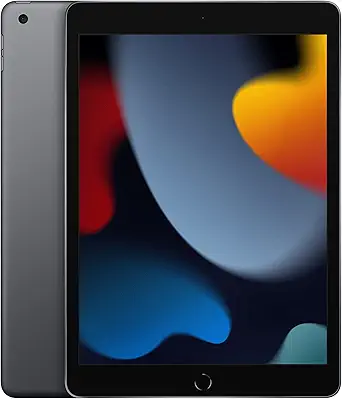
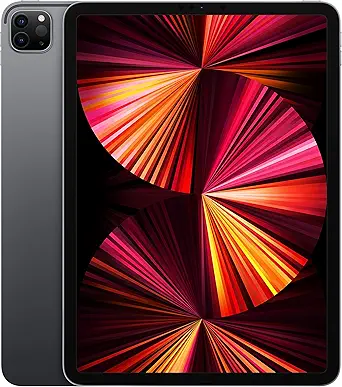
Samsung vs Apple: Overview
Comparing Samsung and Apple helps you determine which brand is best suited for your needs in Tablets. Both brands offer strong choices depending on your budget and key feature requirements.
Key Features & Comparison
Evaluate factors such as build quality, warranty, customer satisfaction, and total value before making your final purchase choice between Samsung and Apple.
Affordability
When examining the pricing structure across their tablet lineups, Samsung holds a distinct advantage in providing accessible entry points and comprehensive value-tier options. Through its Galaxy Tab A and Galaxy Tab S FE (Fan Edition) series, Samsung addresses cost-conscious consumers, students, and casual users who need functional slate hardware without a premium price tag. Furthermore, Samsung frequently includes essential accessories, such as the S Pen stylus, in the box across its mid-range and flagship devices. This bundled approach fundamentally alters the total cost of ownership, saving buyers an expense that is virtually mandated in competing premium ecosystems.
Apple, by contrast, operates with a higher entry baseline and an aggressive accessory pricing model that quickly escalates the ultimate investment. While the base-tier iPad offers impressive longevity and processor power for its relatively low starting cost, storage tiers are notoriously structured to push consumers toward higher-priced configurations. Once users factor in the separate purchase of an Apple Pencil and a Magic Keyboard, the overall expense often surpasses a comparable Samsung setup. Apple's pricing strategy relies heavily on brand equity and extended device lifespans to justify higher costs, whereas Samsung delivers immediate, versatile hardware value across a much broader spectrum of budgets.
Battery Life
Samsung tablets, particularly the flagship Galaxy Tab S series, are engineered with expansive physical footprints that accommodate high-capacity battery cells, often ranging up to 11,200 mAh in the Ultra models. In everyday operation, Samsung devices leverage sophisticated battery-saving profiles and Android's background execution limits to offer robust uptime, easily powering through a full workday of mixed tasks. Additionally, Samsung champions faster wired charging standards, with select models supporting up to 45W charging. This allows users to replenish substantial portions of these massive cells in comparatively short sessions, mitigating downtime for heavy enterprise and media-creation workflows.
Apple approaches endurance through exceptional hardware-software synergy rather than relying solely on raw battery capacity. Powered by power-efficient Apple Silicon chips such as the M-series and A-series, iPads maintain industry-standard battery performance, consistently delivering around 10 hours of active screen-on use across diverse workloads. Apple's iPadOS features remarkably low standby power drain, meaning an iPad left idle for days loses negligible charge compared to Android counterparts. However, Apple generally caps charging speeds at around 20W to 30W, resulting in visibly longer replenishment cycles, which can be a practical drawback when quickly prepping for travel or long shifts.
Display
Samsung’s dominance in display manufacturing translates directly into class-leading visuals on its premier tablets. Utilizing Dynamic AMOLED 2X technology with adaptive 120Hz refresh rates and HDR10+ support, Galaxy Tab flagship models offer infinite contrast ratios, deep inky blacks, and vivid color reproduction that is practically unmatched for cinematic consumption. The standard 16:10 aspect ratio on Samsung tablets is inherently optimized for modern widescreen video playback, resulting in minimal letterboxing. Even in mid-tier offerings, Samsung utilizes high-quality panels, although some lower-cost models step down to standard LCDs that lack the punchy dynamic range of their premium counterparts.
Apple counters with a strong focus on color accuracy, brightness uniformity, and production-grade utility. In its high-end iPad Pro models, Apple has deployed groundbreaking display tech, transitioning from Mini-LED to Tandem OLED architectures with Ultra Retina XDR, delivering peak brightness levels that outperform almost any competitor in broad daylight. Coupled with ProMotion 120Hz technology and True Tone ambient adjustment, iPads provide an exceptionally natural reading and drawing canvas. Furthermore, Apple’s preferred 4:3 and 3:2 aspect ratios offer more vertical real estate for document editing, web browsing, and digital illustration, trading cinematic suitability for superior productivity framing.
Performance
Samsung equips its premier tablets with high-end silicon, historically relying on Qualcomm Snapdragon processors optimized specifically for Galaxy devices. These chipsets provide exceptional raw computing power, seamlessly driving multitasking interfaces, 3D gaming, and Samsung DeX—the brand's desktop-like software environment. DeX transforms the tablet experience into an intuitive windowed workspace, allowing power users to run multiple active applications side by side with minimal friction. However, because Android tablet app optimization remains inconsistent across third-party developers, hardware capability can occasionally be bottle-necked by software that is not fully leveraged for desktop-class productivity.
Apple’s tablet performance remains virtually uncontested at the architectural level thanks to the integration of proprietary M-series processors inside the iPad Air and iPad Pro lines. These desktop-class system-on-chips yield benchmark scores and graphics capabilities that far outstrip mobile-focused architectures, enabling seamless execution of heavy workloads like 4K multi-stream video editing, 3D rendering, and complex audio production. While iPadOS is often criticized for restricting the hardware from reaching its full desktop potential, the vast ecosystem of professional-grade, tablet-optimized apps in the App Store ensures that Apple's immense processing reserves translate into fluid, highly responsive real-world utility.