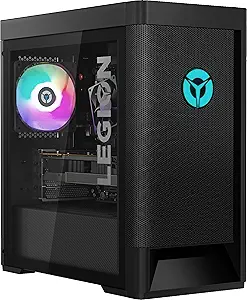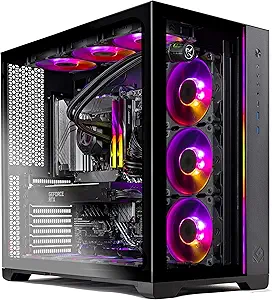





Lenovo vs Skytech: Overview
Comparing Lenovo and Skytech helps you determine which brand is best suited for your needs in Prebuilt PC. Both brands offer strong choices depending on your budget and key feature requirements.
Key Features & Comparison
Evaluate factors such as build quality, warranty, customer satisfaction, and total value before making your final purchase choice between Lenovo and Skytech.
Features
Skytech differentiates itself on features by prioritizing standardized component ecosystems over proprietary software suites. Because Skytech incorporates retail-grade motherboards from vendors like ASUS, MSI, and ASRock, users receive native access to comprehensive, unlocked BIOS environments, standard PCIe expansion lanes, and universal ARGB lighting headers. This structural independence means connectivity options like front and rear USB-C ports, Wi-Fi 6E/7 modules, and high-speed NVMe M.2 slots follow industry-standard ATX specifications. Furthermore, Skytech systems come notably free of heavy OEM bloatware, arriving with relatively pristine Windows installations that do not siphon background CPU cycles, though they lack a single unified software dashboard to control the entire hardware ecosystem.
Lenovo approaches feature integration through tightly coupled, proprietary software and hardware harmonization. The Lenovo Legion series boasts the Lenovo Vantage ecosystem, a unified command center that enables automated performance profiles, network prioritization, GPU overclocking, and lighting synchronization out of the box. Lenovo also incorporates enterprise-grade platform security features, such as integrated TPM configurations and sophisticated sleep states, alongside unique hardware touches like rear-facing port hubs with subtle indicator lighting for easier cable management. However, this integrated approach often introduces proprietary limitations, including custom-shaped motherboards, non-standard front I/O headers, and constrained BIOS settings that restrict advanced memory tuning or third-party cooling upgrades compared to Skytech.
Performance
In real-world compute and gaming scenarios, Skytech often holds an edge in sustained, heavy-load performance due to thermal headroom and power delivery design. By leveraging retail-grade ATX airflow cases, mesh front panels, and unconstrained standard liquid or tower coolers, Skytech systems typically allow Intel and AMD processors to operate at extended boost frequencies without aggressive thermal throttling. Additionally, the inclusion of power supplies from reputable third-party brands provides stable 12V rails and adequate overhead for graphics cards to draw maximum board power. In intensive workloads like 4K gaming, 3D rendering, or sustained compilation, this open thermal architecture translates into flatter frametime graphs and lower sustained junction temperatures.
Lenovo systems deliver exceptionally calibrated baseline performance, optimizing silicon behavior via proprietary power curves and fine-tuned fan profiles designed for acoustic moderation. Modern Legion desktops incorporate advanced cold-front thermal solutions that punch significantly above their weight class given their compact chassis dimensions, achieving commendable frame rates and compute speeds. However, Lenovo’s thermal envelopes can be tighter in entry-to-midrange tiers, where chassis airflow is sometimes restricted by solid side panels or compact case layouts. While Lenovo machines perform reliably within factory specifications, they rarely offer the overclocking headroom or unrestricted thermal ceilings that enthusiast configurations from Skytech readily sustain under extreme multi-threaded stress.
Design
The aesthetic and physical design philosophies of Skytech and Lenovo represent two opposing paradigms within desktop computing. Skytech leans unapologetically into the custom DIY PC aesthetic, featuring panoramic tempered glass panels, prominent ARGB liquid cooling loops, multi-fan exhaust arrays, and showpiece chassis choices. The visual language is distinctly modern gamer, highlighting internal cable routing, exposed GPU backplates, and customizable lighting themes. Structurally, these standard mid-tower and full-tower ATX cases are exceptionally spacious, providing abundant physical clearance for massive modern graphics cards, multi-fan radiator mounts, and multiple drive bays, ensuring the chassis remains functionally relevant for years.
Lenovo champions an industrial, understated aesthetic that bridges the gap between aggressive gaming rigs and sophisticated workstations. Legion desktops feature minimalist, matte-finish exteriors, refined chassis geometry, and subtle, tasteful lighting such as the illuminated Legion ‘Y’ logo or muted internal ambient LEDs. The structural engineering is robust, emphasizing rigid internal steel frames, tool-less drive sleds, integrated carrying handles, and integrated rear cable management channels that maintain exterior tidiness. While Lenovo’s designs look sleek in modern offices and professional setups, the more compact internal spacing and occasional reliance on non-standard internal frame brackets make physical internal maintenance and radical aesthetic alterations more cumbersome than in Skytech's open-chassis layouts.
Compare current retail pricing, active promotions, and verified stock availability directly from authorized stores: