Lenovo vs Dell: Overview
Comparing Lenovo and Dell helps you determine which brand is best suited for your needs in Prebuilt PC. Both brands offer strong choices depending on your budget and key feature requirements.
Key Features & Comparison
Evaluate factors such as build quality, warranty, customer satisfaction, and total value before making your final purchase choice between Lenovo and Dell.
Features
In terms of feature sets and software ecosystems, both brands deploy mature toolsets tailored to their target demographics. Lenovo outfits its gaming and mainstream prebuilts with Lenovo Vantage, a remarkably lightweight and clean utility that manages power profiles, fan curves, driver updates, and lighting synchronization without consuming excessive background resources. Dell counters with Dell Command Suite for business models and Alienware Command Center (AWCC) for performance-oriented rigs. While AWCC offers granular peripheral integration, it is occasionally criticized for being resource-heavy. On enterprise tiers, Lenovo's ThinkShield security architecture matches Dell's SafeBIOS and hardware-level TPM capabilities, offering exceptional endpoint protection, chassis intrusion detection, and asset tracking features.
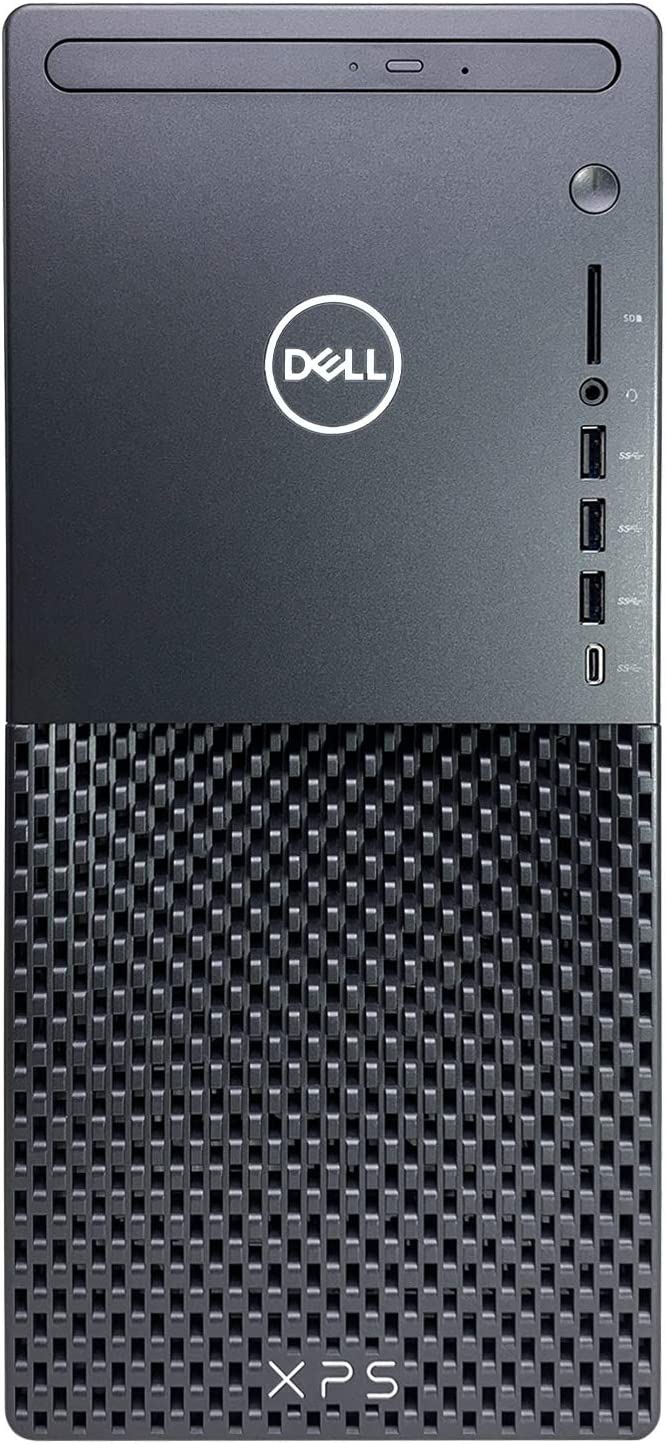
Hardware feature distribution reveals further differentiation in chassis adaptability and port selection. Dell's XPS and OptiPlex desktops frequently emphasize versatile external connectivity on the front I/O, including high-speed USB-C, multi-card readers, and well-spaced legacy ports, making them productivity powerhouses right out of the box. Lenovo, however, often scores higher in chassis internal mechanics, frequently implementing toolless drive bays, integrated GPU support brackets, and cable management channels even on mid-range models. While Dell offers wider factory configuration permutations at point-of-sale, Lenovo often provides a more functional baseline configuration that includes cleaner internal wiring and thoughtful physical features that reduce mechanical stress on expansion slots.
Performance
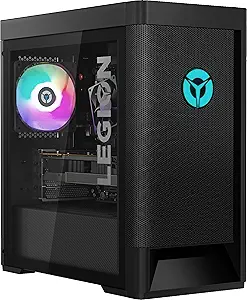
Performance execution between Lenovo and Dell hinges closely on thermal dynamics and sustained power delivery limits (PL1 and PL2 states). Lenovo's Legion desktop line routinely outperforms comparable Dell models, particularly Dell's compact Inspiron and legacy XPS desktop designs, due to Lenovo's commitment to high-airflow chassis designs and capable dual-chamber cooling architectures. By allowing modern high-wattage Intel Core and AMD Ryzen CPUs to maintain sustained turbo clocks without aggressive thermal throttling, Lenovo delivers highly predictable compute rendering and frame rate stability during sustained workloads. Their motherboard VRM implementations on gaming configurations typically feature substantial heatsinks that protect power delivery components under high current loads.
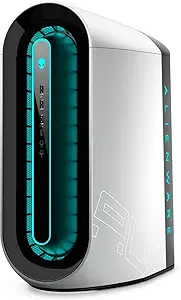
Dell, on the other hand, delivers precise thermal throttling policies designed around acoustical targets and conservative enterprise duty cycles. In the Alienware Aurora lineup, Dell utilizes customized liquid cooling loops to tame high-end silicon, achieving competitive burst performance; however, tight physical internal tolerances can still lead to elevated fan acoustics under sustained gaming sessions. For daily office computing and multi-monitor productivity, Dell's OptiPlex and Inspiron machines provide exceptionally smooth, rock-solid output with minimal power draw. When pushed to extremes with heavy video encoding, 3D compilation, or continuous 4K gaming, Lenovo generally maintains cooler core temperatures and a slight edge in sustained performance benchmarks due to less restrictive ventilation.
Design
Aesthetic and industrial design philosophies sharply diverge between the two manufacturers. Dell favors a spectrum that ranges from understated, clean minimalism to radical futuristic styling. Its XPS desktops sport elegant brushed aluminum front fascias that blend effortlessly into modern creative studios, while the Alienware division embraces the sci-fi-inspired 'Legend' industrial design language characterized by sweeping curves and prominent oval venting. However, Dell's pursuit of compact, compact-footprint form factors across its productivity lines occasionally comes at the expense of internal volumetric airflow, forcing the cooling solution to work harder against tightly packaged components.
Lenovo approaches design with a focus on functional ergonomics, minimalist brutalism, and airflow prioritization. The ThinkCentre desktop series showcases an iconic, utilitarian business design focused on rugged durability and easy fleet deployment, while the Legion Tower series presents a clean, tempered-glass aesthetic backed by front-to-back mesh grilles. Lenovo's lighting implementation tends to be more understated and clean, avoiding excessive external plastic shrouding. By opting for traditional, boxier form factors that optimize internal air volume and component accessibility, Lenovo's design ethos fundamentally favors thermal engineering and user accessibility over avant-garde exterior silhouettes.