HP vs Dell: Overview
Comparing HP and Dell helps you determine which brand is best suited for your needs in Prebuilt PC. Both brands offer strong choices depending on your budget and key feature requirements.
Key Features & Comparison
Evaluate factors such as build quality, warranty, customer satisfaction, and total value before making your final purchase choice between HP and Dell.
Features
The feature sets of HP and Dell systems reflect their differing priorities in utility, software ecosystem, and proprietary engineering. HP has made significant strides in standardizing components within its gaming and enthusiast towers, notably utilizing industry-standard ATX motherboards, standard CPU coolers, and standard power supplies in its newer OMEN systems. This approach provides end-users with a legitimate upgrade path rarely found in big-box OEM prebuilts. On the software side, utilities like OMEN Gaming Hub offer intuitive overclocking, lighting synchronization, and fan curve manipulation without overwhelming casual users, though entry-level Pavilion units can still come burdened with third-party trial bloatware.
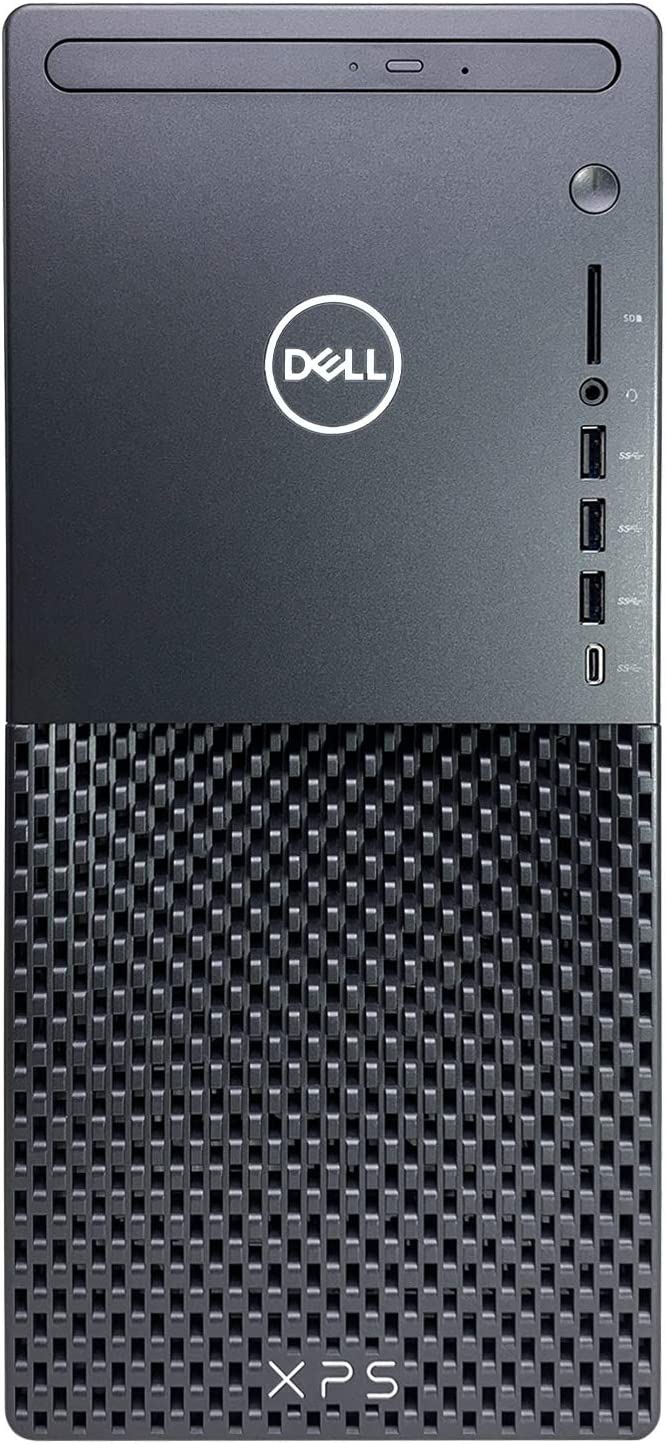
Dell, on the other hand, prioritizes proprietary internal packaging that optimizes airflow within compact, non-standard footprints, particularly evident in the XPS desktop line. While this engineering allows for space-efficient desk setups, it often locks users into proprietary 12V-only power delivery connectors and custom front-panel headers, severely limiting long-term component swapping. However, Dell counterbalances this with superior external I/O selections—frequently providing high-speed USB-C, integrated SD card readers, and legacy ports directly on the front fascia—alongside sophisticated BIOS recovery tools and enterprise-grade Dell SupportAssist diagnostics that streamline remote troubleshooting.
Performance
In terms of sustained performance and thermal management, both manufacturers deploy the latest silicon from Intel, AMD, and NVIDIA, but their thermal solutions dictate real-world outcomes. HP historically faced scrutiny regarding airflow, but recent redesigns in the OMEN 25L, 40L, and 45L lines have revolutionized their thermal dynamics. The flagship OMEN 45L introduces the patented 'Cryo Chamber'—an isolated liquid-cooling radiator compartment elevated above the main chassis—which draws cool ambient air completely decoupled from internal GPU heat, resulting in class-leading thermal headroom and sustained multi-core turbo clocks without thermal throttling.
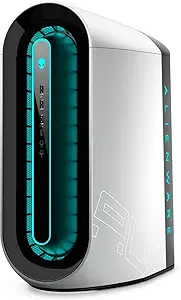
Dell exhibits strong computational performance in burst workloads, but its mainstream and legacy designs can struggle during extended stress testing. While Dell's Alienware sub-brand and redesigned XPS towers have transitioned toward liquid cooling to tame power-hungry modern processors, their dense internal component packing and reliance on proprietary fan shrouds can lead to elevated acoustic profiles under peak load. HP generally achieves better acoustic-to-thermal ratios in the mid-to-high gaming tiers, whereas Dell maintains an edge in predictable, baseline sustained productivity performance for multi-threaded office applications, CAD, and computational rendering where absolute silence is secondary to stable execution.
Design
From an industrial design perspective, HP embraces a clean, Scandinavian-influenced minimalist aesthetic across both its lifestyle and gaming divisions. The Envy and Pavilion desktops feature sleek, brushed-finish front panels that blend seamlessly into modern home offices, while the OMEN lineup showcases a sophisticated black or white monolithic silhouette accented by tinted tempered glass, subtle addressable RGB lighting, and toolless access panels. HP successfully avoids the garish 'gamer' tropes of the past decade, opting instead for mature, architectural designs that look equally appropriate in an executive suite or a modern streaming studio.
Dell takes a more bifurcated approach to visual design, separating its minimalist lifestyle products from its aggressively styled gaming hardware. The Dell XPS desktop is a masterclass in understated elegance, incorporating refined aluminum mesh grilles and compact micro-ATX footprints tailored for professional creatives who demand an invisible footprint. On the gaming end, Dell’s Alienware line continues to utilize the polar 'Legend' industrial language—defined by curved, sci-fi-inspired extraterrestrial silhouettes, rear ring lighting, and distinctive molded plastics. While Dell's XPS line matches HP's sophisticated minimalism, its Alienware styling is polarizing and structurally bulky, leaving HP with a more uniformly modern and versatile design portfolio across all consumer tiers.
Compare current retail pricing, active promotions, and verified stock availability directly from authorized stores: