




Dell vs Skytech: Overview
Comparing Dell and Skytech helps you determine which brand is best suited for your needs in Prebuilt PC. Both brands offer strong choices depending on your budget and key feature requirements.
Key Features & Comparison
Evaluate factors such as build quality, warranty, customer satisfaction, and total value before making your final purchase choice between Dell and Skytech.
Features
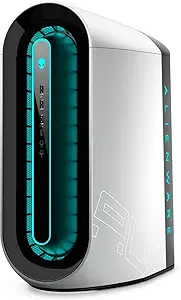
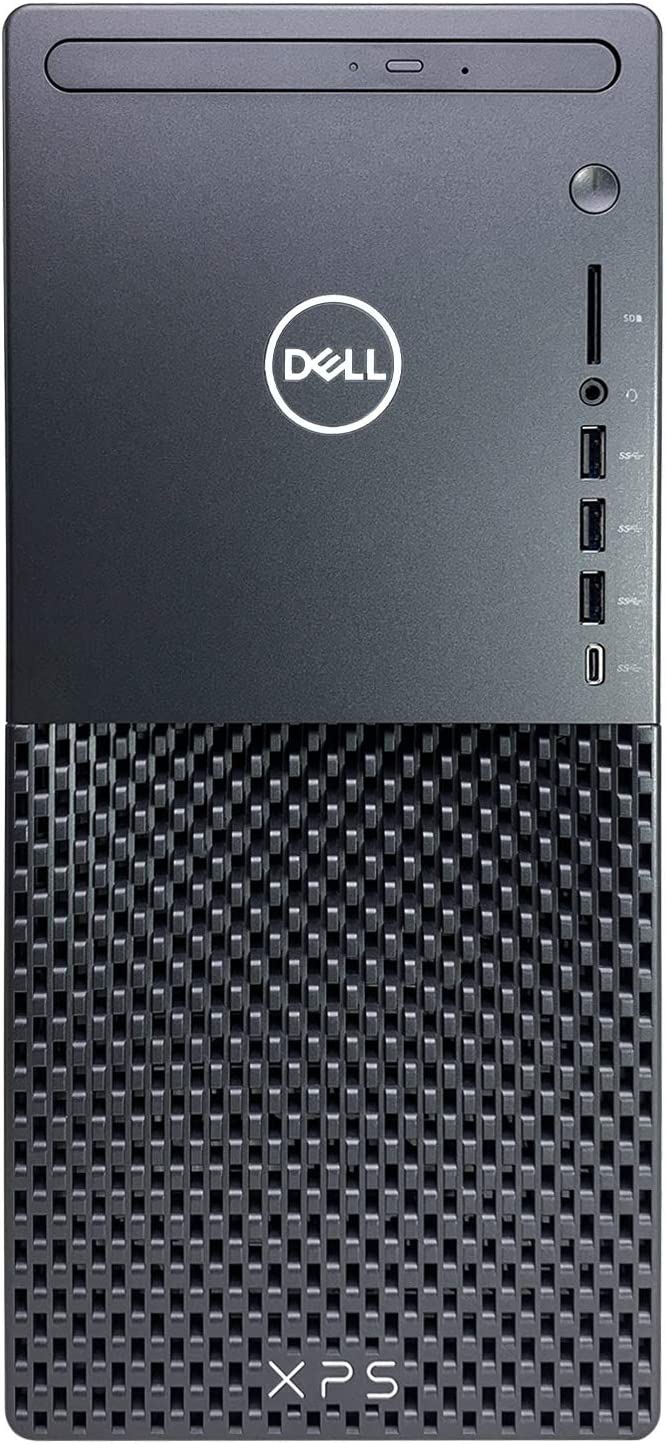
In terms of feature sets, Dell focuses heavily on enterprise-grade manageability, proprietary software suites, and automated diagnostic tools. Systems like the XPS desktop or Dell's Alienware sub-brand come equipped with centralized software suites—such as Alienware Command Center or Dell SupportAssist—which streamline driver updates, power profiles, and network prioritization. However, Dell frequently limits peripheral and expansion features through proprietary motherboards that lack standard ARGB headers, feature minimal PCIe expansion slots, and utilize custom BIOS environments with locked-down overclocking and memory tuning parameters.
Skytech differentiates itself by offering mainstream DIY motherboard feature sets straight out of the box, typically sourcing boards from reputable vendors like ASUS, ASRock, Gigabyte, or MSI. This ensures that users receive unlocked BIOS configurations, extensive storage expansion capabilities via standard M.2 and SATA interfaces, and open-platform RGB software control without proprietary ecosystem lock-in. Furthermore, Skytech includes retail-grade power supplies with universal modular or non-modular cables, allowing enthusiasts to swap graphics cards, storage drives, and cooling solutions without needing Dell-style specialized adapters or encountering strict motherboard power draw limits.
Performance
Performance delivery highlights significant differences in thermal engineering and power limit enforcement between the two brands. Dell often configures its standard consumer systems with conservative Intel or AMD thermal limits, deploying compact, proprietary air coolers that can throttle high-TDP processors under sustained multi-threaded workloads. While Dell Alienware models offer liquid cooling, their constrained chassis layouts can still exhibit acoustic and thermal bottlenecks under peak gaming loads. Additionally, Dell sometimes pairs high-end processors with non-XMP or bare-PCB green RAM, which leaves sub-timing optimizations and peak memory bandwidth on the table.
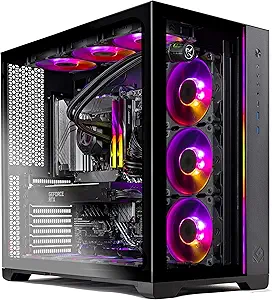
Skytech generally achieves superior sustained performance and thermal dissipation by utilizing standardized, high-airflow computer chassis equipped with multiple intake and exhaust fans, alongside standard 120mm to 360mm AIO liquid coolers or dual-tower air coolers. Because Skytech routinely installs retail-tier RAM modules with advertised XMP or EXPO profiles enabled in the BIOS, their systems consistently deliver higher 1% low frame rates and lower latency in gaming benchmarks. The unrestricted airflow and adherence to standard component TDP profiles allow Skytech configurations to sustain boost clocks over extended gaming and rendering sessions with less thermal throttling.
Design
From an industrial design standpoint, Dell maintains a polished, cohesive aesthetic across its product portfolio, catering to modern home offices and minimalist workspaces. The Dell XPS series presents a compact, subtle, and sleek front-fascia that blends effortlessly into professional environments, devoid of loud gamer motifs. Alienware models adopt a distinct, space-age 'Legend' aesthetic that is instantly recognizable, though the chassis often relies on thick, molded plastic outer shells that encase heavily restricted internal steel frames, sometimes complicating routine maintenance and air intake.
Skytech's design language is unabashedly enthusiast-focused, favoring modern DIY trends such as tempered glass side panels, aggressive front mesh intake grilles, and addressable RGB illumination. Skytech's enclosures—sourced from established case makers—are designed primarily around thermal physics and interior component showcase rather than minimal spatial footprints. While Skytech machines consume significantly more physical desk space and feature a louder, gaming-centric visual identity, the practical interior layout allows for vastly superior cable management, effortless dusting, and simplified maintenance that Dell's proprietary shells rarely match.
Compare current retail pricing, active promotions, and verified stock availability directly from authorized stores: