Dell vs Ibuypower: Overview
Comparing Dell and Ibuypower helps you determine which brand is best suited for your needs in Prebuilt PC. Both brands offer strong choices depending on your budget and key feature requirements.
Key Features & Comparison
Evaluate factors such as build quality, warranty, customer satisfaction, and total value before making your final purchase choice between Dell and Ibuypower.
Features
The technical feature sets of Dell and iBuyPower diverge sharply based on component sourcing and platform openness. Dell systems are renowned for custom-engineered elements, frequently utilizing bespoke motherboards equipped with proprietary front-panel headers, unique BIOS configurations, and non-standard power delivery systems like 12VO. While this allows Dell to optimize thermal pathways and power draws for specific configurations, it severely restricts motherboard feature depth, often leaving users with minimal spare PCIe slots, basic memory profiles, and limited software overclocking headroom. On the software side, Dell incorporates proprietary suites like Alienware Command Center and Dell SupportAssist, which provide automated driver patching and diagnostic support, though some users find them bloated.
iBuyPower, on the other hand, embraces feature-rich retail hardware from leading manufacturers such as ASUS, MSI, and ASRock. This approach grants users full access to standard UEFI BIOS interfaces, unlocking robust support for Intel XMP or AMD EXPO memory tuning, advanced fan curve control, and PCIe Gen 4 or Gen 5 expansion. Additionally, iBuyPower rigs feature unconstrained RGB lighting ecosystems utilizing standard 3-pin ARGB headers compatible with universal software suites rather than isolated proprietary lighting controllers. The primary trade-off is software consistency; iBuyPower relies on third-party drivers rather than a single unified hardware management utility, but the reward is comprehensive platform freedom and modern interface standards.
Performance
Performance execution between Dell and iBuyPower is largely determined by component cooling and power limit implementations rather than raw silicon specifications. Dell machines, particularly within the compact Inspiron and legacy Alienware Aurora chassis, have historically encountered thermal throttling challenges due to constrained intake air paths and compact OEM cooler designs. Although recent Alienware architectures have expanded chassis volume and adopted larger liquid cooling radiators to improve sustained clock speeds, Dell’s conservative factory BIOS configurations and power-limit profiles often prioritize acoustic thresholds and system longevity over the aggressive multi-core boost behavior coveted by performance enthusiasts.
iBuyPower generally extracts higher sustained performance from identical CPU and GPU tiers due to unconstrained airflow topologies and superior thermal headroom. By outfitting systems with standard 240mm to 360mm all-in-one liquid coolers, high-airflow mesh chassis, and retail-grade graphics cards featuring multi-fan heat sink arrays, iBuyPower ensures that components consistently operate at their maximum thermal velocity boost frequencies. Because iBuyPower uses standard motherboards that adhere to uncapped power-limit guidance by default, users often observe higher sustained frames-per-second and superior multi-threaded rendering scores, albeit occasionally accompanied by higher peak power consumption and louder fan profiles under heavy loads.
Design
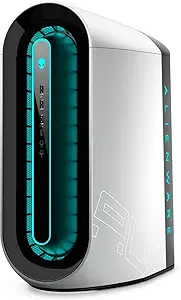
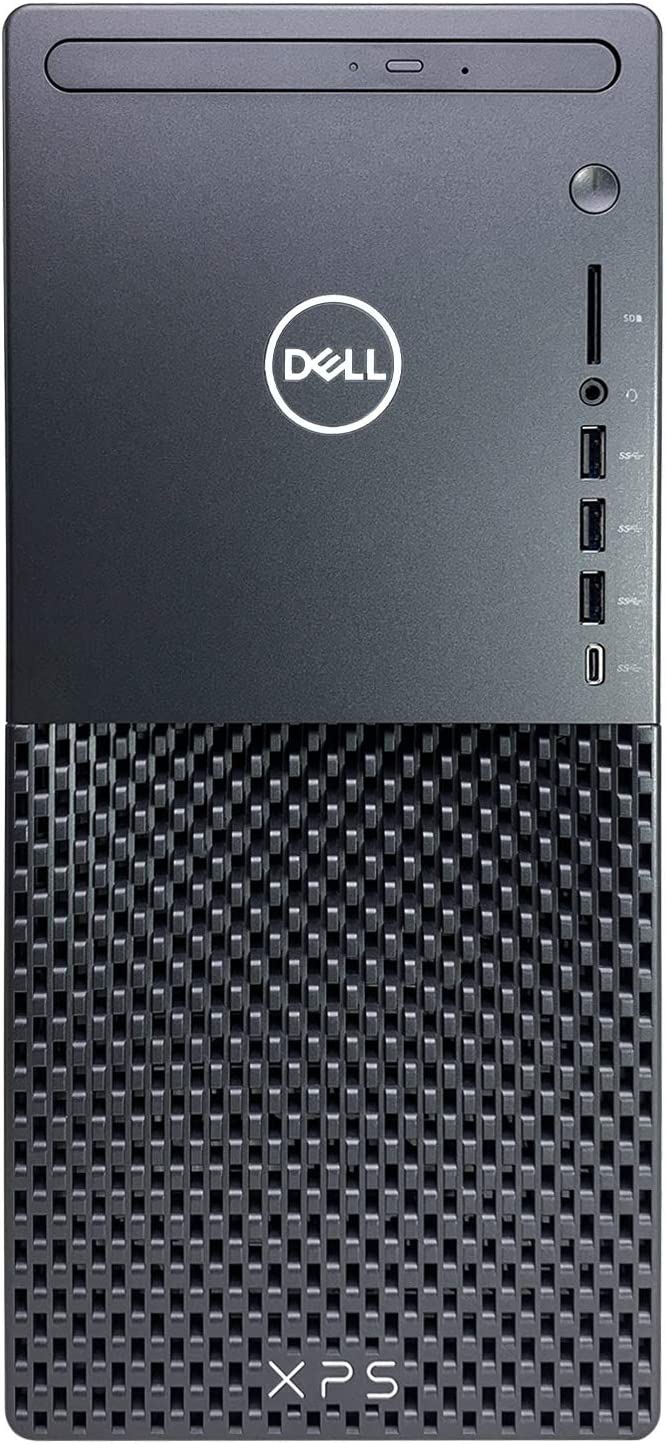
From an aesthetic and industrial design standpoint, Dell presents a heavily engineered, cohesive product identity. The futuristic Alienware Legend aesthetic, along with the minimalist brushed-metal facades of the XPS and Inspiron lines, represents extensive tooling investment and industrial design expertise that cannot be replicated with generic off-the-shelf parts. However, this focus on exterior sculptural form frequently compromises interior utility; Dell's interior chassis layouts often feel dense and utilitarian, with basic unpainted steel frames, specialized swing-out power supply brackets, and non-standard form factors that make internal access cramped and visually unrefined.
iBuyPower adheres to the aesthetic lexicon of modern custom PC building, prioritizing panoramic tempered-glass showcases, standardized dual-chamber designs, and expressive addressable RGB lighting. Their systems are assembled inside recognized chassis platforms—often co-branded with or produced by top case manufacturers—which emphasize clean internal cable management, spacious component layouts, and tool-less access panels. While Dell offers an unmistakable, molded industrial presence, iBuyPower delivers the classic enthusiast aesthetic that celebrates the internal components, making the hardware itself the centerpiece while maintaining an adaptable footprint that supports standard aftermarket modifications.