Dell vs CyberpowerPC: Overview
Comparing Dell and CyberpowerPC helps you determine which brand is best suited for your needs in Prebuilt PC. Both brands offer strong choices depending on your budget and key feature requirements.
Key Features & Comparison
Evaluate factors such as build quality, warranty, customer satisfaction, and total value before making your final purchase choice between Dell and CyberpowerPC.
Features
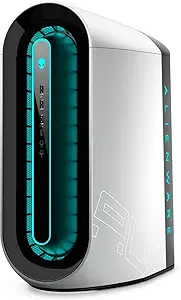
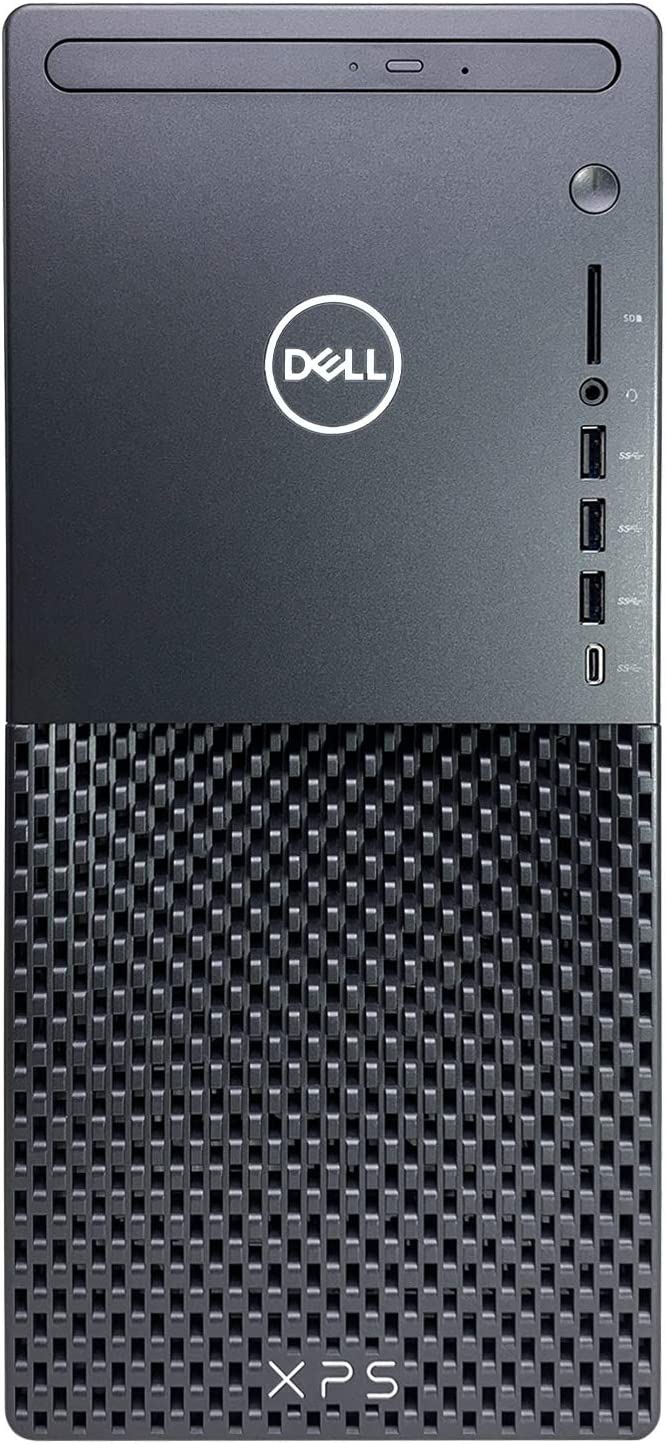
Dell’s feature profile is deeply tied to proprietary firmware, software integration, and purpose-built internal frameworks. Systems like the XPS Tower and Alienware Aurora come preloaded with proprietary suites such as Dell SupportAssist and Alienware Command Center, which automate thermal profiling, driver deployment, and diagnostic telemetry. Moreover, Dell excels in out-of-the-box peripheral integration, often bundling dependable networking solutions, integrated SD card readers, and proprietary cooling systems engineered to fit compact footprints. The major drawback, however, is the prevalence of non-standardized front panel connectors, customized motherboard power delivery pinouts (such as 12V-only standards), and chassis footprints that actively restrict internal component expansion.
In contrast, CyberpowerPC offers a feature set mirroring the consumer DIY market, utilizing standard ATX, Micro-ATX, and Mini-ITX form factors. This ensures comprehensive BIOS functionality directly from standard board partners without the aggressive firmware locks frequently implemented by Dell. CyberpowerPC machines typically incorporate standardized ARGB ecosystems, expansive storage mounting arrays, standard PCIe expansion lane access, and universal PWM fan headers. While CyberpowerPC includes less bespoke software—often resulting in cleaner Windows installations free of OEM bloatware—it lacks Dell's integrated hardware-level diagnostic modules, requiring users to rely on conventional open-source utilities and third-party vendor firmware for system maintenance.
Performance
In raw computational and graphical workloads, Dell and CyberpowerPC can be configured with identical tier-one silicon from Intel, AMD, and NVIDIA, yet their thermal and power envelopes dictate divergent sustained performance metrics. Dell often imposes conservative power limits and aggressive thermal throttling thresholds to preserve component longevity within dense, custom-engineered chassis. While Alienware’s liquid-cooled variants push high peak clocks, lower-tier Dell configurations frequently rely on compact heatsinks and restricted air channels, resulting in audible fan profiles under sustained multi-threaded rendering or extended gaming sessions where clock speeds inevitably throttle to shed heat.
CyberpowerPC generally achieves higher sustained clock speeds and lower operating temperatures by leveraging high-airflow aftermarket chassis with mesh front fascias, multiple auxiliary intake fans, and standardized 240mm or 360mm all-in-one (AIO) liquid coolers. Because their systems utilize retail motherboards with robust power delivery phases (VRMs) and unconstrained power delivery limits, hardware can boost longer without hitting artificial thermal ceilings. The primary performance risk with CyberpowerPC stems from component lotteries; unless specifically designated during customization, components like RAM latency ratings, SSD controller speeds, and power supply efficiency tiers can vary based on wholesale inventory, whereas Dell’s performance characteristics remain uniform across production batches.
Design
From an industrial design standpoint, Dell approaches prebuilt PCs with sophisticated, sculpted aesthetic profiles tailored to distinct consumer demographics. The XPS line embodies minimalist, understated elegance suitable for professional creative studios, while the Alienware Aurora lineup exhibits an aggressively futuristic, sci-fi chassis design with bespoke molded plastics and integrated lighting zones. Internally, Dell’s engineering displays high-density packaging efficiency with swinging power supply brackets and custom ducting. However, this engineering focus prioritizes exterior styling and manufacturing assembly line speed over internal airflow dynamics, often leading to internal congestion and difficult cable routing for end-users.
CyberpowerPC embraces modern gaming hardware design tropes, characterized by tempered glass panoramic panels, open-chamber interiors, and customizable addressable RGB lighting. Their systems prioritize volumetric interior space and modular component arrangements that adhere strictly to industry cooling best practices. While CyberpowerPC builds may lack the distinct, monolithic industrial identity of an Alienware or XPS chassis, they offer functional, enthusiast-oriented aesthetics where every primary component remains visible and accessible. Cable management in CyberpowerPC systems can vary depending on the technician who assembled it, but the open structural layout inherently promotes superior natural convection and straightforward internal servicing.