Acer vs Dell: Overview
Comparing Acer and Dell helps you determine which brand is best suited for your needs in Prebuilt PC. Both brands offer strong choices depending on your budget and key feature requirements.
Key Features & Comparison
Evaluate factors such as build quality, warranty, customer satisfaction, and total value before making your final purchase choice between Acer and Dell.
Features
The feature sets offered by Acer and Dell highlight divergent approaches to software suites, connectivity, and customization. Acer prebuilt PCs rely on utilities like PredatorSense and NitroSense for thermal monitoring, fan curve adjustments, and RGB lighting configuration. While these tools are functional and straightforward, the surrounding software experience often includes pre-installed bloatware that requires uninstallation out of the box. Connectivity on Acer machines is generally robust for the price, though port placement can sometimes feel cramped, and front-panel I/O frequently utilizes generationally older USB protocols on their budget-tier chassis compared to contemporary standards.
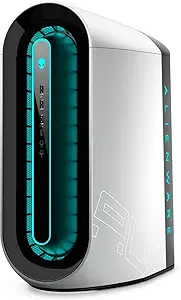
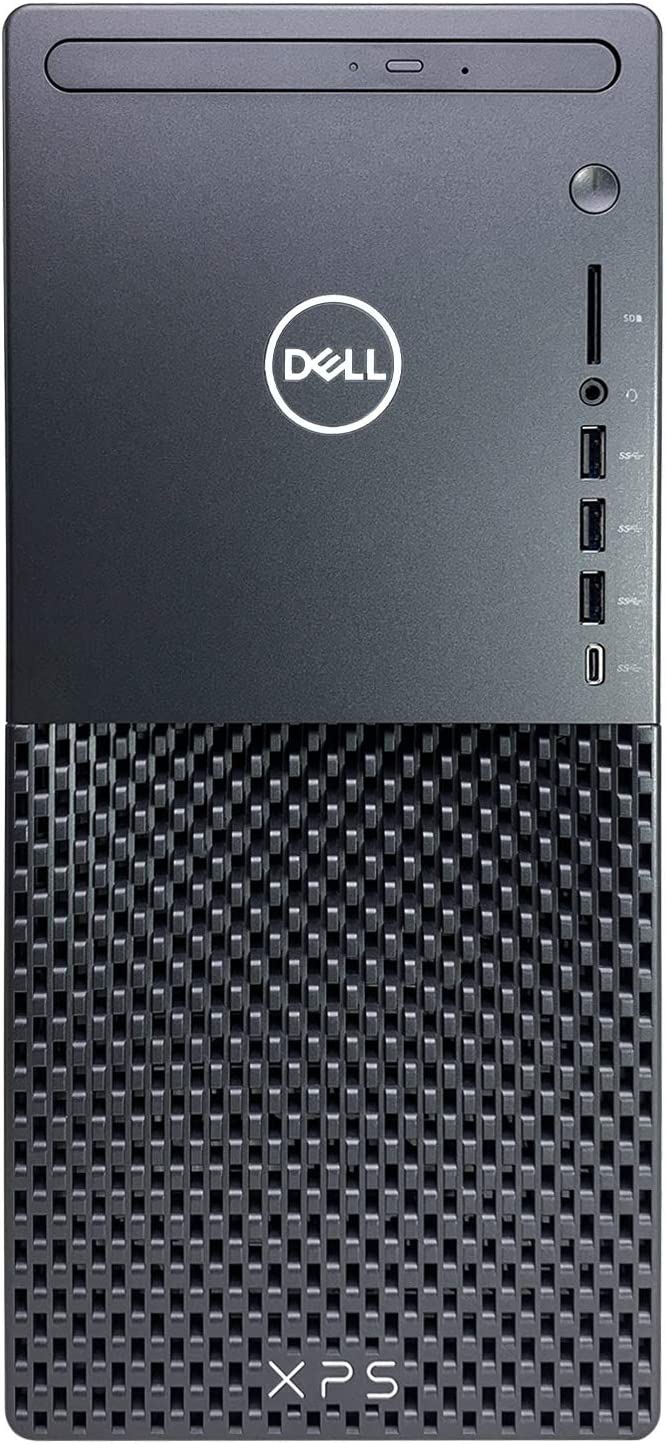
Dell provides a more comprehensive, integrated suite of features through applications like Alienware Command Center for gaming systems and Dell SupportAssist for general-purpose towers. Alienware Command Center offers deeper system-level profiling, macro configuration, and audio tuning, despite occasionally suffering from software bloat. Where Dell clearly outclasses Acer is in configuration flexibility during purchase, offering customers an extensive array of factory-configured storage tiers, Wi-Fi 6E/7 expansion cards, and liquid cooling options. Furthermore, Dell tends to integrate superior physical chassis features, such as swing-out power supply brackets and tool-less drive sleds, making basic maintenance more accessible compared to Acer’s traditional screw-based assemblies.
Performance
Performance profiles between the two brands depend heavily on chassis airflow dynamics and thermal management solutions. Acer's mainstream desktops typically leverage baseline air coolers that can lead to thermal throttling under sustained multi-threaded workloads, as seen in their more compact Nitro iterations. However, higher-end Predator Orion models address this by utilizing custom AIO (all-in-one) liquid cooling solutions and mesh front fascias that allow modern Intel Core and AMD Ryzen CPUs to sustain higher boost clocks. Acer typically runs conservative factory power limits to safeguard budget motherboard VRMs, which can slightly suppress peak compute throughput in exchange for system stability and lower manufacturing costs.
Dell exhibits a bifurcated performance profile across its desktop tiers. Entry-level Inspiron and baseline XPS towers have historically struggled with thermal dissipation due to dense internal layouts and restricted airflow pathways, often resulting in elevated fan noise and aggressive dynamic clock throttling during sustained rendering or computational loads. In contrast, Dell’s Alienware Aurora lineup—especially recent redesigns featuring open-air chassis architectures and optimized acoustic chambering—delivers robust sustained performance for high-TDP silicon like the RTX 4090 and flagship processors. Dell also tends to employ more aggressive, high-amperage custom power delivery systems on higher-end configurations, providing rock-solid voltage regulation that matches or exceeds Acer’s flagship offerings under extreme stress tests.
Design
From an industrial design standpoint, Acer favors a distinctly aggressive, gamer-centric aesthetic across its enthusiast lines while keeping budget machines purely utilitarian. The Predator series utilizes tempered glass side panels, angular front cowls, integrated headset cradles, and prominent RGB arrays that appeal directly to younger gaming audiences and LAN enthusiasts. While visually striking, the chassis construction often relies on heavy plastic paneling over thin steel framing, which can feel less rigid than premium competitor offerings. Internal cabling is generally routed adequately, but Acer rarely provides the grommets, cable combs, or clean shroud management found in boutique or higher-tier OEM designs.
Dell approaches design with distinct stylistic demarcation between product lines, ranging from the minimalist, Scandinavian-inspired aluminum fronts of the XPS desktop to the futuristic, spacecraft-inspired sci-fi silhouette of the Alienware Aurora. Dell generally invests more heavily in structural rigidity, utilizing thick stamped steel chassis skeletons and premium exterior materials on their enthusiast models. Although Alienware's avant-garde enclosures can be polarizing and consume an immense desk footprint relative to their internal volume, they represent a uniquely identifiable design signature. Dell’s overall design philosophy balances executive desktop minimalism with expressive gaming aesthetics far more effectively than Acer’s largely conventional form factors.
Compare current retail pricing, active promotions, and verified stock availability directly from authorized stores: