Yamaha vs Nakamichi: Overview
Comparing Yamaha and Nakamichi helps you determine which brand is best suited for your needs in Home Theaters. Both brands offer strong choices depending on your budget and key feature requirements.
Key Features & Comparison
Evaluate factors such as build quality, warranty, customer satisfaction, and total value before making your final purchase choice between Yamaha and Nakamichi.
Features
Yamaha’s feature architecture is deeply rooted in sophisticated digital signal processing and traditional system integration. Central to their platform is Yamaha Parametric Room Acoustic Optimizer (YPAO) calibration, which measures acoustic anomalies with parametric equalization, and Cinema DSP HD3, which overlays real-world venue acoustics onto multi-channel formats like Dolby Atmos and DTS:X. Yamaha AV receivers and systems also integrate the mature MusicCast multi-room ecosystem, expansive analog and digital I/O suites (including dedicated phono stages and multi-zone HDMI switching), and extensive support for network audio streaming protocols such as AirPlay 2, Spotify Connect, and high-resolution DSD/FLAC playback.
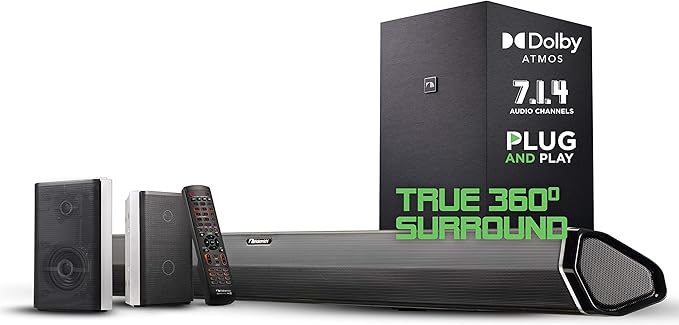
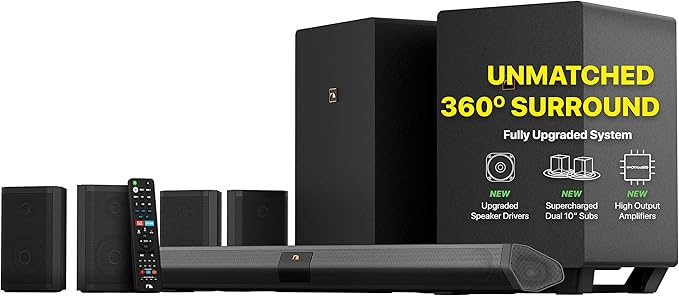
Nakamichi distinguishes itself by packing commercial-cinema technology into high-density consumer solutions, best evidenced by their integration of dual or quad subwoofers and modular, multi-directional satellite speakers. Nakamichi systems frequently incorporate native Dolby Atmos, DTS:X Pro, and exclusive Dolby Vision pass-through across multiple HDMI 2.1 inputs, catering directly to high-frame-rate next-gen gamers and 4K HDR enthusiasts. While they lack the comprehensive analog legacy inputs and multi-room ecosystem of Yamaha's MusicCast, Nakamichi counters with advanced on-the-fly spatial controls, discrete channel level tuning directly from backlit remotes, and groundbreaking acoustics like AMT (Air Motion Transformer) tweeters and bipolar surround modules rarely found in all-in-one architectures.
Performance
Yamaha's acoustic performance is defined by sonic neutrality, immaculate dynamic range, and surgical soundstaging. Thanks to high-slew-rate amplification and custom low-noise transformers in their Aventage and standard receiver lines, Yamaha excels at resolving micro-details and preserving the natural timbre of both vocal dialogue and acoustic instrumentation. The soundstage produced by a Yamaha-driven theater is expansive and cohesive, effectively disappearing into the room when calibrated via YPAO 64-bit precision processing. For users who split their listening time equally between critical two-channel stereo listening and modern object-based cinema soundtracks, Yamaha maintains a level of acoustic purity and restraint that minimizes listener fatigue over long sessions.
Nakamichi, in contrast, is engineered for sheer visceral impact, dynamic authority, and uncompromising low-frequency performance. By utilizing multi-subwoofer arrays—featuring dual 8-inch, 10-inch, or massive 12-inch drivers—Nakamichi eliminates acoustic room modes and standing waves, producing subterranean, chest-thumping bass that traditional single-subwoofer packaged systems cannot replicate. The spatial envelope is remarkably aggressive; ambient effects, panning transitions, and height cues are projected with high sound-pressure levels and crisp transient attack. While it may lack the delicate midrange warmth and hyper-linear musicality of a finely tuned Yamaha component rig, Nakamichi delivers an earth-shaking, authentic multiplex cinema experience that excels at blockbuster movie reproduction.
Design
From an industrial design standpoint, Yamaha favors classic, utilitarian elegance characterized by clean lines, rigid chassis construction, and high-grade materials. In their premium receiver tiers, Yamaha incorporates features like the Anti-Resonance Technology (A.R.T.) Wedge—a central fifth foot designed to dampen internal and external vibrations—alongside brushed aluminum front fascias, glossy minimalist central dials, and high-resolution OLED status displays. Even in their standalone soundbars and satellite packages, Yamaha emphasizes understated aesthetics, neutral fabrics, and compact profiles that integrate discreetly into sophisticated interior designs without drawing undue attention to the hardware.
Nakamichi adopts a much more aggressive, futuristic, and industrial design language that proudly showcases its acoustic horsepower. The chassis designs across their soundbars and satellite speakers feature angular, faceted contours, robust metal grilles, and prominent branding that signal raw performance capability. System components like the massive active subwoofers and multi-driver surround arrays are substantial in weight and physical volume, requiring dedicated floor space and intentional room planning. Rather than blending invisibly into casual living room décor, Nakamichi hardware stands as a bold, purposeful statement piece engineered specifically for dedicated media rooms and uncompromising enthusiast entertainment centers.