Samsung vs Monoprice: Overview
Comparing Samsung and Monoprice helps you determine which brand is best suited for your needs in Home Theaters. Both brands offer strong choices depending on your budget and key feature requirements.
Key Features & Comparison
Evaluate factors such as build quality, warranty, customer satisfaction, and total value before making your final purchase choice between Samsung and Monoprice.
Features
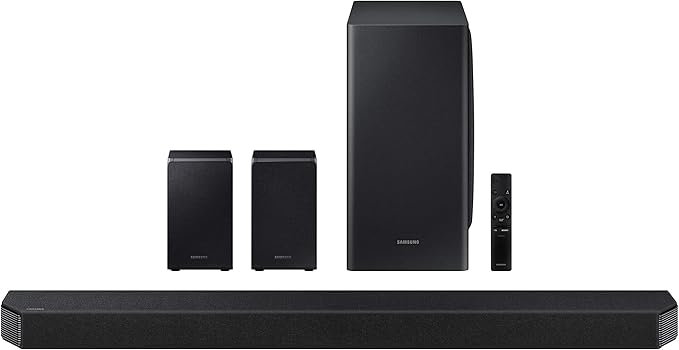
Samsung leads aggressively in proprietary digital enhancements, smart connectivity, and living-room integration features. Their premier systems boast full Dolby Atmos and DTS:X decoding, often paired with expansive driver arrays utilizing up-firing and side-firing acoustic beams. Where Samsung particularly excels is ecosystem synergy; features like Q-Symphony seamlessly synchronize TV speakers with the soundbar for a taller soundstage, while SpaceFit Sound Pro utilizes integrated microphones to dynamically adapt frequency response to room boundaries in real time. Modern conveniences such as AirPlay 2, Spotify Connect, Tap Sound, and voice assistant integration (Alexa, Bixby) are baked directly into the hardware, making day-to-day operation seamless for modern connected households.
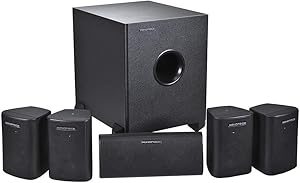
Monoprice rejects lifestyle-oriented bells and whistles in favor of raw acoustic engineering and modular utility, particularly across its Monolith tier. Monoprice passive speakers feature premium hardware components, including planar magnetic ribbon tweeters, robust crossovers with air-core inductors, and high-density fiberboard (HDF) internal bracing. On the electronics side, Monoprice processors and subwoofers prioritize comprehensive parametric equalization (PEQ), balanced XLR terminations for zero-noise signal transmission, and certified THX Select or Ultra specifications. While you will not find Wi-Fi streaming chips or proprietary TV-pairing algorithms built into Monoprice speaker sets, their hardware provides the fundamental acoustic foundation required to handle uncompressed lossless audio, unencumbered by the wireless latency or compression artifacts that can affect integrated lifestyle systems.
Performance
In terms of audio performance, Samsung leverages sophisticated psychoacoustic processing and discrete multichannel arrays to create an unexpectedly vast three-dimensional sound bubble. Flagship Samsung soundbar packages (like the HW-Q990 series) excel in spatial imaging, accurately placing panning effects, ambient overheads, and localized dialogue across an 11.1.4-channel canvas. Dialogue clarity is exceptionally strong, enhanced by dedicated center channels and active voice amplification algorithms. However, physics imposes limitations: despite impressive low-frequency output from their compact ported subwoofers, Samsung systems suffer from a high-crossover bottleneck, leaving mid-bass frequencies slightly thin and failing to reproduce the infrasonic, room-shaking rumble required by demanding home theater enthusiasts.
Monoprice delivers a performance tier defined by physical displacement, dynamic headroom, and low distortion at extreme reference volumes. Monolith THX-certified subwoofers are celebrated across the industry for subterranean bass reproduction, comfortably reaching below 16 Hz with immense tactile impact and negligible port noise. Monolith satellite and tower speakers deliver clinical neutrality, presenting uncolored frequency responses across the entire audible spectrum. While Monoprice lacks the automated digital spatial trickery of Samsung, a properly configured 5.1 or 7.1.4 Monoprice component system offers vastly superior dynamic range, effortless transient response, and zero dynamic compression during high-SPL action sequences, outperforming integrated systems in sheer cinematic power.
Design
Samsung’s design language is defined by modern aesthetic discretion and minimal visual clutter. Understanding that most consumers install home theaters in shared living spaces, Samsung emphasizes slim profiles, clean geometric angles, and premium textured acoustic fabrics or metal mesh grilles. The components are engineered to disappear under contemporary ultra-thin televisions, maintaining a low profile that avoids blocking IR sensors or screen real estate. Wireless transmission between the soundbar, subwoofer, and rear surround channels eliminates the logistical headache of running physical cables through walls or under carpets, representing a major aesthetic triumph for modern minimalist decor.
Monoprice embraces a functional, unapologetically industrial design aesthetic that prioritizes acoustic structural integrity over living room concealment. Monolith enclosures are typically massive, heavy, and utilitarian, constructed with thick HDF walls and finished in matte black vinyl or piano-black lacquer that effectively resists optical reflections in a dedicated, dark theater room. These components are physically imposing; subwoofers can easily weigh between 70 to 150 pounds and feature large footprint dimensions that are difficult to disguise in standard living areas. Monoprice designs demand dedicated floor space and visible, high-gauge cabling, appealing directly to users who view home theater gear as functional acoustic instruments rather than decorative consumer electronics.