Nakamichi vs Energy: Overview
Comparing Nakamichi and Energy helps you determine which brand is best suited for your needs in Home Theaters. Both brands offer strong choices depending on your budget and key feature requirements.
Key Features & Comparison
Evaluate factors such as build quality, warranty, customer satisfaction, and total value before making your final purchase choice between Nakamichi and Energy.
Features
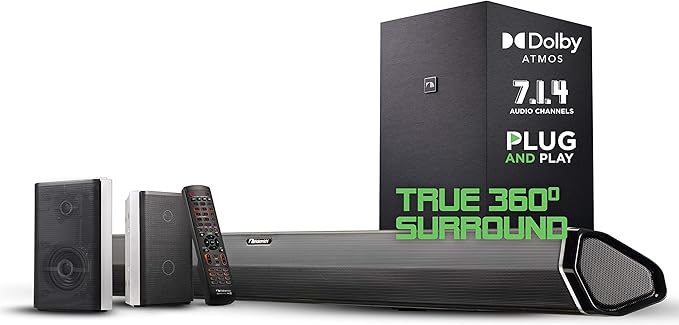
In terms of modern connectivity and technical specifications, Nakamichi holds an overwhelming advantage over Energy's passive home theater offerings. Modern Nakamichi setups boast extensive digital decoding capabilities, including uncompressed Dolby Atmos, DTS:X Pro, and proprietary spatial processing engines like SSE Max. Their systems come equipped with cutting-edge HDMI 2.1 eARC connectivity, high-bandwidth 4K/120Hz pass-through with VRR and ALLM for gaming, and comprehensive wireless linking between the central unit, surround satellites, and multiple subwoofers. This extensive suite of built-in features ensures that Nakamichi functions seamlessly as a centralized media hub for next-generation consoles, 4K Blu-ray players, and smart TVs.
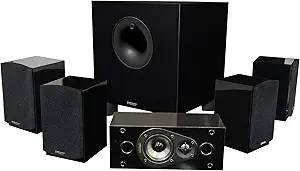
Energy systems take a purely analog, fundamental approach to features, offloading all signal processing, decoding, and switching to a third-party AV receiver. The feature set of an Energy setup is largely confined to physical acoustic hardware innovations, such as their patented Convergent Source Module (CSM) and Ribbed Elliptical Surround technology, which reduce distortion and widen sound dispersion. Subwoofers in Energy packages feature standard analog controls, including variable crossover dials, phase switches, and line-level RCA inputs. While this makes Energy immune to digital obsolescence, it requires the user to invest significantly in external electronics to match the connectivity and processing capabilities integrated natively into Nakamichi systems.
Performance
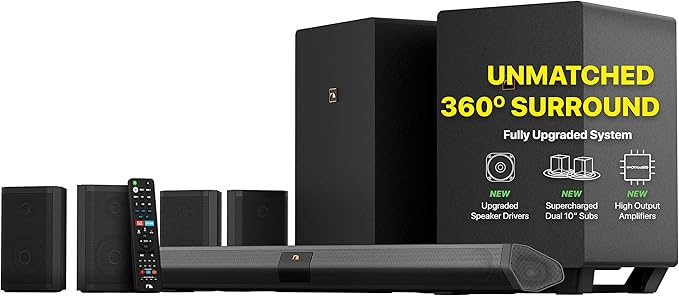
Performance comparisons highlight the divergent sonic priorities of these two brands: Nakamichi leans toward visceral, cinematic impact, while Energy focuses on acoustic neutrality and micro-detail. Nakamichi's multi-subwoofer designs (frequently utilizing dual 8-inch, 10-inch, or even quad configurations) deliver unprecedented low-frequency distribution, virtually eliminating bass nulls and room modes. Their systems generate staggering sound pressure levels with room-rattling authority that effortlessly replicates a commercial cinema experience. The spatial precision of their discrete surround arrays places effects with pinpoint accuracy, though their sound signature is noticeably tailored toward dynamic movies rather than delicate, critical music reproduction.
Energy speakers counter with a more refined, musical, and balanced soundstage that reflects their lineage under the Klipsch and Audio Products International umbrella. Thanks to aluminum dome tweeters and poly-titanium woofers, Energy satellites produce crystalline high frequencies and exceptionally natural mid-range timbre, allowing dialogue and acoustic instruments to sound lifelike rather than digitally enhanced. However, Energy systems are physically limited by the excursion capabilities of their smaller satellite drivers and single subwoofers, lacking the raw acoustic output and devastating subterranean bass extension that Nakamichi deploys to overwhelm large living spaces.
Design
From a design and physical integration perspective, Nakamichi embraces a bold, aggressively modern aesthetic that makes an unapologetic visual statement. Their soundbars and satellite speakers feature angular, industrial geometries with perforated metal grilles, matte black chassis, and exposed driver elements that clearly signal their high-output performance intentions. While the soundbar format is inherently space-saving compared to traditional floor-standing towers, Nakamichi’s dual subwoofers and four surround modules still require significant floor and shelf real estate, meaning users must carefully plan placement despite the absence of long front-to-back wiring runs.
Energy focuses on understated, timeless design principles centered on compact elegance and acoustic enclosure rigidity. Finished in high-gloss piano black or premium veneers with clean, radiused edges, Energy satellite speakers are specifically engineered to vanish into a room's decor or mount inconspicuously onto walls via integrated keyhole slots. The heavy MDF cabinets are acoustically inert, minimizing cabinet resonance and coloration. While Energy's speaker footprints are delightfully unobtrusive, the necessity of routing physical speaker cables from every corner of the room back to a bulky AVR introduces aesthetic cable-management challenges that Nakamichi’s wireless receiver modules largely bypass.
Compare current retail pricing, active promotions, and verified stock availability directly from authorized stores: