Monoprice vs Bose: Overview
Comparing Monoprice and Bose helps you determine which brand is best suited for your needs in Home Theaters. Both brands offer strong choices depending on your budget and key feature requirements.
Key Features & Comparison
Evaluate factors such as build quality, warranty, customer satisfaction, and total value before making your final purchase choice between Monoprice and Bose.
Features
In terms of feature sets, Bose takes a distinct lead in lifestyle modernism, smart home integration, and proprietary digital signal processing. The flagship Bose Smart Ultra Soundbar and its associated ecosystems come standard with built-in voice assistants (Amazon Alexa and Google Assistant), Apple AirPlay 2, Spotify Connect, and Bluetooth streaming. Bose also incorporates advanced proprietary technologies such as ADAPTiQ room calibration, which tailors acoustic output to room geometry using a specialized headset, and Voice4Video technology that enhances dialogue clarity via algorithmic processing. These software-centric features streamline daily operation, allowing users to control their entire media suite using app-based controls or simple voice commands with minimal setup friction.
Monoprice, particularly within its Monolith home theater lineup, strips away the flashy consumer lifestyle software in favor of purist hardware capabilities and industry-standard certifications. Rather than relying on self-contained streaming ecosystems, Monoprice products emphasize architectural flexibility, including THX Certified Ultra and Select ratings, premium planar magnetic drivers, heavy-gauge binding posts, and balanced XLR connections on their multi-channel power amplifiers. For consumers seeking an all-in-one smart system, Monoprice can feel spartan and heavily reliant on third-party AV receivers; however, for home theater architects demanding native Dolby Atmos, DTS:X passthrough capabilities, and the freedom to configure discrete heights, bi-amp front stages, and dual subwoofers, Monoprice offers far greater technical depth and upgradeability.
Performance
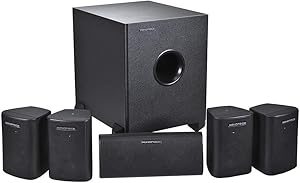
Acoustic performance between these two brands highlights the difference between mechanical engineering and psychoacoustic manipulation. Monoprice home theater solutions—led by their Monolith subwoofers and THX-certified tower or in-wall speakers—deliver unmatched dynamic range, visceral low-end extension, and reference-level volume output. Thanks to massive magnetic motor structures, inert MDF cabinet bracing, and substantial physical displacement, Monoprice subwoofers routinely dig below 20Hz with vanishingly low distortion. For high-impact movie scenes, explosion transients, and wide orchestral scores, Monoprice replicates the physical impact of a commercial cinema with linear frequency response and expansive headroom that resists thermal compression even at extreme listening volumes.
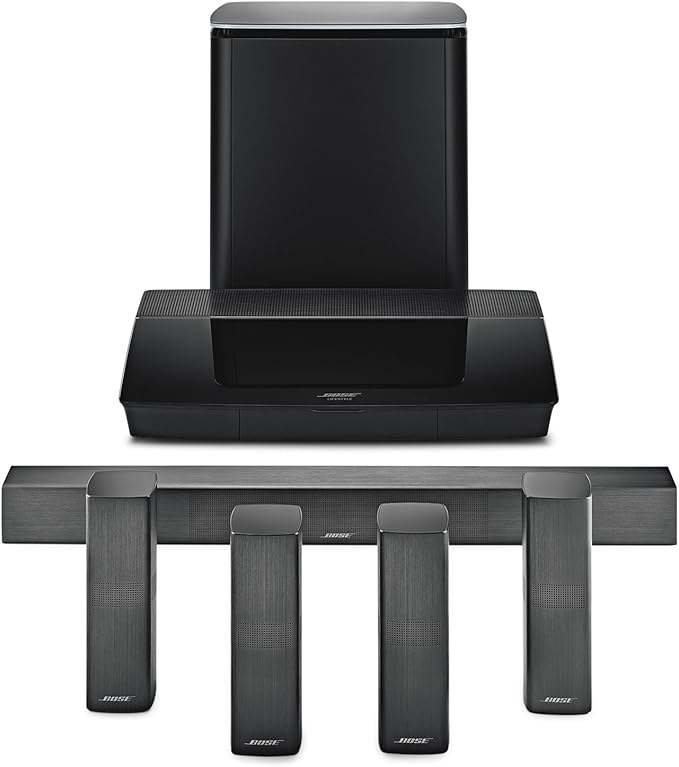
Bose approaches sound reproduction through the lens of sophisticated psychoacoustics and beamforming transducer arrays. Products like the Bose Bass Module 700 and surrounding satellite speakers produce an extraordinarily wide soundstage relative to their physical dimensions, making action sequences feel far larger than the sleek soundbar beneath the television. Bose excels particularly in vocal intelligibility, delivering crisp, pristine dialogue that never gets buried in chaotic sound mixes. However, physics cannot be completely bypassed; while Bose achieves remarkable room-filling output via proprietary waveguides, it lacks the visceral slam, sub-bass extension, and micro-detail resolution found in Monoprice’s full-sized multi-driver enclosures, occasionally revealing compression artifacts when driven to reference volume levels in medium-to-large listening rooms.
Design
From an industrial design standpoint, Bose is a masterclass in modern, minimalist elegance. Understanding that traditional audio equipment is often seen as visual clutter, Bose builds soundbars and satellite speakers with premium materials, including thermal-treated glass tops, seamless wraparound metal grilles, and soft-touch matte plastics. Their low-profile silhouettes allow them to tuck cleanly beneath modern ultra-thin televisions or mount flush against walls without drawing attention. Cable management is virtually eliminated through robust wireless connectivity between the main bar, surrounds, and subwoofers, making Bose the clear aesthetic choice for contemporary living rooms and open-concept spaces where interior decor takes priority.
Monoprice’s design ethos, by contrast, prioritizes acoustic function and cabinet volume over discreet elegance. Monolith series products are unashamedly utilitarian, characterized by heavy, deep-profile MDF enclosures finished in satin black or faux wood grain, exposed driver arrays, and heavy-duty magnetic grilles. These speakers and subwoofers are massive, demanding significant floor space, dedicated cable runs, and careful positioning to optimize bass nodes and imaging. While this rugged, no-frills construction serves to dampen internal standing waves and prevent cabinet resonance, it lacks the living-room-friendly sophistication of Bose, firmly positioning Monoprice as a brand for dedicated media rooms, basements, or consumers who celebrate the hardware footprint of high-fidelity audio.