Bose vs Nakamichi: Overview
Comparing Bose and Nakamichi helps you determine which brand is best suited for your needs in Home Theaters. Both brands offer strong choices depending on your budget and key feature requirements.
Key Features & Comparison
Evaluate factors such as build quality, warranty, customer satisfaction, and total value before making your final purchase choice between Bose and Nakamichi.
Features
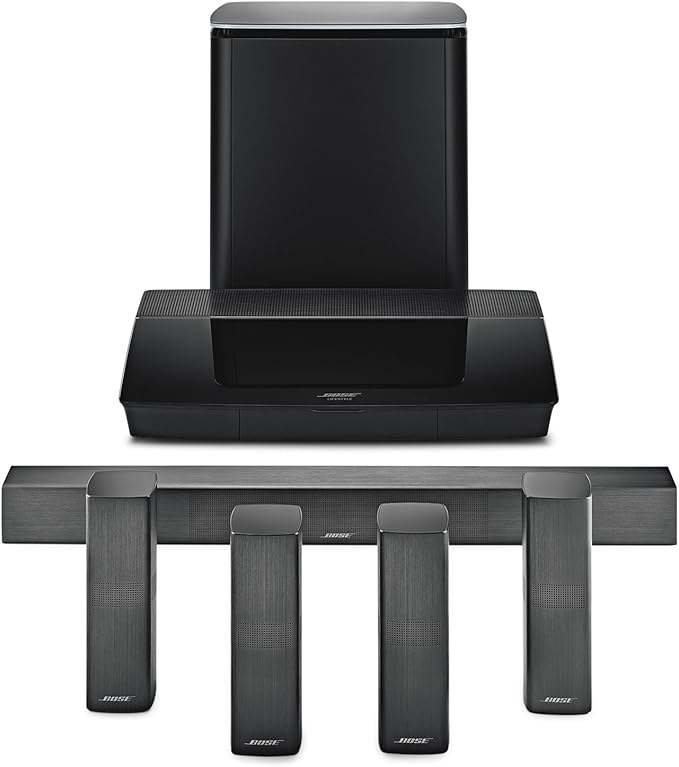
In terms of feature sets and technological integration, Bose excels in user-centric software, room calibration, and connected ecosystem conveniences. Flagship Bose soundbars and systems feature ADAPTiQ audio calibration, which intelligently analyzes the acoustic characteristics of a room to tailor frequency response, alongside proprietary Voice4Video and TrueSpace technologies that elevate dialogue clarity and upmix spatial channels. Furthermore, Bose provides comprehensive smart home integration with built-in voice assistants (Amazon Alexa and Google Assistant), Apple AirPlay 2, Spotify Connect, and seamless multi-room expansion via the Bose SimpleSync platform. However, Bose systems generally feature limited physical connectivity, typically offering only a single HDMI eARC port and omitting pass-through options for modern gaming consoles.
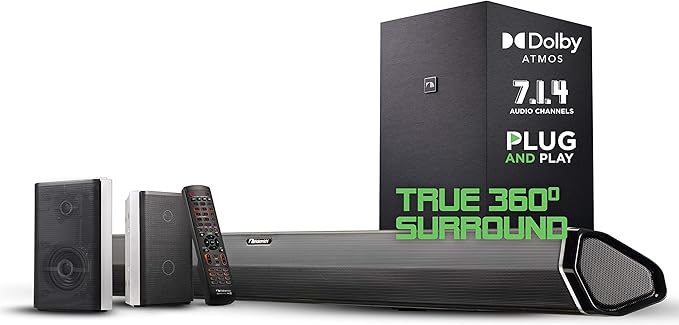
Nakamichi, by contrast, focuses its feature set on high-end audiovisual standards, expansive physical connectivity, and deep sound customization. Flagship systems, such as the Shockwafe Ultra or Dragon, boast multiple full-bandwidth HDMI 2.1 inputs with eARC, supporting 4K 120Hz, VRR, ALLM, and high-dynamic-range formats like Dolby Vision and HDR10+. On the decoding front, Nakamichi is an industry leader in multi-channel processing, offering full native support for both Dolby Atmos and DTS:X Pro, alongside advanced spatial engines like SSE Max. While Nakamichi offers fewer smart-home lifestyle integrations and lacks built-in voice assistants, it empowers users with granular EQ controls, individual channel gain settings, and dedicated DSP modes, providing an enthusiast-grade level of calibration that Bose's simplified app environment deliberately avoids.
Performance
Acoustic performance between the two brands highlights a stark contrast in sound signatures and engineering targets. Bose focuses on clinical clarity, tonal balance, and an expansive sweet spot that makes movies and vocal-heavy content exceptionally easy to listen to at moderate volumes. Its proprietary PhaseGuide arrays and dipole transducers create a wide, spacious front soundstage, while its optional Bass Modules deliver tight, musical, and distortion-free low end. However, because Bose relies primarily on digital upmixing and reflected sound for overhead and rear channels, the sense of three-dimensional height and true rear immersion can feel somewhat diffused or compromised in rooms with high, vaulted, or acoustically treated ceilings.
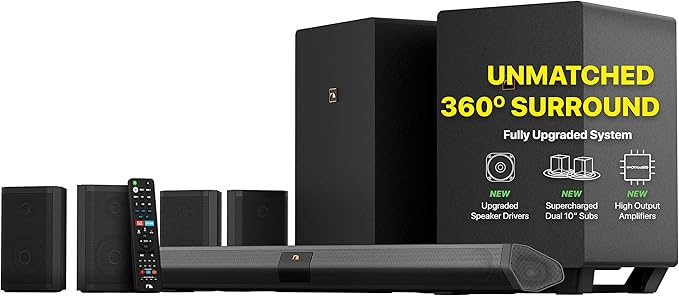
Nakamichi delivers an undeniably visceral, room-shaking cinematic experience designed to rival traditional component-based AV receiver setups. With setups often featuring dual 8-inch or 10-inch wireless subwoofers and four modular satellite speakers, Nakamichi effortlessly reproduces sub-bass frequencies and delivers high SPL (sound pressure level) without dynamic compression or mechanical strain. The physical presence of discrete rear and side surround channels creates a pin-point accurate, 360-degree acoustic bubble where directional effects, such as bullet trajectories or overhead flybys, maintain tangible weight and localization. For explosive action blockbusters and high-energy cinema, Nakamichi easily out-muscles Bose, though Bose maintains an edge in delicate acoustic music playback and intimate dialogue articulation.
Design
Design philosophy marks one of the sharpest divides between Bose and Nakamichi. Bose is a master of industrial elegance, utilizing premium materials such as seamless anodized aluminum grilles, impact-resistant polymers, and polished tempered glass tops. Bose soundbars feature ultra-low profiles designed to slide under modern thin-bezel televisions without blocking IR receivers or screen real estate. The visual language is distinctly Scandinavian-inspired, understated, and lifestyle-oriented, ensuring that components blend seamlessly into contemporary, high-end interior decors. Cable management is kept to an absolute minimum, emphasizing clean lines and visual serenity.
Nakamichi embraces an industrial, aggressive aesthetic that unashamedly communicates its acoustic capabilities. Its soundbars, surround units, and dual subwoofers are noticeably larger, heavier, and more utilitarian, sporting matte-black finishes, exposed drivers, and angular, performance-driven enclosures. The flagship Dragon system even incorporates upward-firing drivers angled inside exposed metallic chambers with visible status displays. While Nakamichi's satellite speakers are wireless in relation to the main soundbar, they still require physical speaker wire connections to the wireless subwoofers for power and signal distribution, resulting in a more complex setup with visible wiring. Ultimately, Bose is engineered for living rooms where visual discretion is paramount, while Nakamichi is built for dedicated media spaces where acoustic impact takes precedence over interior design.