Bose vs Energy: Overview
Comparing Bose and Energy helps you determine which brand is best suited for your needs in Home Theaters. Both brands offer strong choices depending on your budget and key feature requirements.
Key Features & Comparison
Evaluate factors such as build quality, warranty, customer satisfaction, and total value before making your final purchase choice between Bose and Energy.
Features
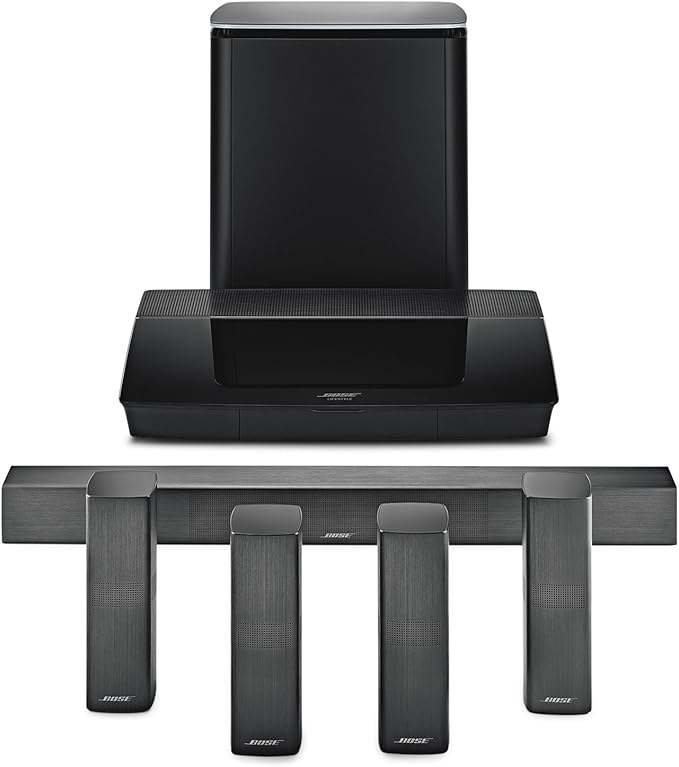
In terms of modern functionality, Bose easily outpaces Energy by integrating sophisticated active electronics and smart ecosystem capabilities. Bose home theater setups, such as the Smart Ultra Soundbar and its associated wireless surround modules, come packed with native Wi-Fi, Apple AirPlay 2, Chromecast, Bluetooth, and voice assistant support via Amazon Alexa and Google Assistant. Additionally, Bose employs sophisticated proprietary technologies like ADAPTiQ room calibration, which actively measures the acoustic properties of a room to tailor frequency response, and SimpleSync, which allows seamless pairing with Bose wireless headphones for private late-night listening.
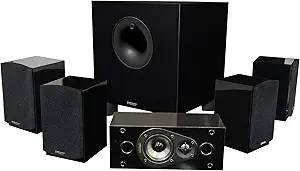
Conversely, Energy systems are primarily passive speaker packages, such as the classic Take Classic 5.1 or reference tower arrays, which deliberately omit onboard smart features in favor of pure analog signal transfer. This design means the feature set of an Energy system is entirely dependent on the third-party AV receiver driving it. While this necessitates an additional investment in external processing gear, it grants the user total freedom to adopt emerging surround formats like Dolby Atmos, DTS:X, and 8K HDMI switching without having to replace the speakers themselves. Energy focuses its engineering on passive crossover networks and voice-matched drivers rather than software-driven features, yielding an enduring, future-proof physical platform.
Performance
Acoustic performance represents the sharpest technical divide between the two brands. Energy's engineering is renowned for its neutral, flat frequency response, characterized by their proprietary Convergent Source Module (CSM) and Hyperbolic aluminum dome tweeters. These components provide wide, even dispersion and pristine high-frequency clarity without introducing harsh sibilance. In home theater applications, Energy packages reproduce film dialogue with lifelike realism and articulate mid-range presence, while their ported subwoofers supply tight, musical low-frequency transients that blend seamlessly into the mix rather than overpowering it.
Bose approaches performance through sophisticated acoustic waveguiding and dynamic digital signal processing (DSP). By using PhaseGuide arrays and reflective sound techniques, Bose systems create an exceptionally broad soundstage that belies the small physical footprint of their enclosures. Sound effects are steered across the room convincingly, providing an expansive cinematic sweep. However, the trade-off lies in tonal accuracy; Bose often utilizes an EQ curve that elevates upper bass and crisp treble while leaving the mid-range somewhat hollow. While Energy delivers true cinematic dynamics with high headroom and uncompressed transients, Bose excels at creating an enveloping, psychoacoustic illusion of scale from remarkably small enclosures.
Design
The aesthetic and physical execution of these two brands reflects their distinct target audiences. Bose sets the benchmark for modern, minimalist industrial design. Utilizing high-end materials such as tempered glass tops, precision-drilled metal grilles, and sleek anodized finishes, Bose soundbars and subwoofers are engineered to blend seamlessly into contemporary, upscale living rooms. The physical footprint of Bose satellite speakers is famously minuscule, enabling users to mount them unobtrusively on walls or conceal them on bookshelves, which minimizes domestic friction and preserves room aesthetics.
Energy adopts a more conventional, utilitarian aesthetic rooted in traditional speaker manufacturing. Enclosures are typically constructed from dense medium-density fiberboard (MDF) finished in high-gloss black lacquer or wood veneers, designed primarily to dampen cabinet resonances rather than make a fashion statement. While handsome and well-constructed, Energy speakers are substantially larger and require physical speaker wire runs back to a central receiver, necessitating deliberate cable management. The architectural bulk of Energy's bookshelf units and center channels demands dedicated floor and shelf space, prioritizing internal air volume and cabinet acoustics over visual discretion.
Compare current retail pricing, active promotions, and verified stock availability directly from authorized stores: