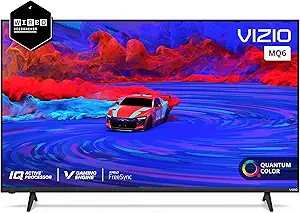
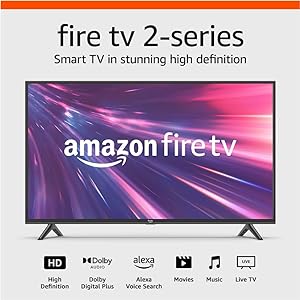
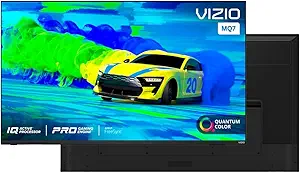
In the realm of smart TVs, two prominent players, Vizio and Amazon, stand tall as contenders, each bringing its own set of features and innovations to the table. This article delves into the head-to-head competition between VIZIO and Amazon TVs, dissecting their strengths, weaknesses, and unique offerings to help consumers navigate the landscape of smart televisions.
Key Features Comparison
Affordability
When evaluating affordability, both VIZIO and Amazon are recognized leaders in driving down the cost of entry for modern smart TVs, but they approach their pricing architectures from different business strategies. VIZIO has historically engineered its lineups, particularly the D-Series and V-Series, to offer feature-dense hardware specifications—such as full-array backlighting and variable refresh rates—at ultra-competitive price points. By operating primarily as a display manufacturer that monetizes via its SmartCast platform and volume hardware shipments, VIZIO consistently prices its entry-level and mid-tier sets aggressively against legacy brands, delivering high component value per dollar spent.
Conversely, Amazon approaches affordability through an ecosystem-subsidized retail model with its Fire TV Omni, 4-Series, and 2-Series displays. Because Amazon views smart televisions as gateways into Prime subscriptions, digital media transactions, and ambient smart-home commerce, it frequently slashes prices below standard manufacturing margins during major sales events like Prime Day and Black Friday. While VIZIO generally offers a slightly wider span of panel sizes and performance-oriented hardware options at the lowest baseline prices, Amazon's aggressive discounting and bundled smart-home peripherals often yield an unmatched cost-to-convenience ratio for budget-conscious consumers.
Picture Quality
Top-Rated Picture Quality Brands




In the realm of picture quality, VIZIO generally maintains a competitive edge over Amazon, driven by its more extensive engineering history in display technology and color science. VIZIO’s mid-range and premium offerings, such as the Quantum and Quantum Pro series, incorporate advanced quantum dot films and full-array local dimming (FALD) architectures with high peak brightness ratings. This configuration results in superior contrast ratios, deeper black levels, and vibrant HDR rendering across Dolby Vision, HDR10+, and HLG formats. While VIZIO's entry-level models exhibit standard limitations like narrower viewing angles and modest motion interpolation, their proprietary Active Full Array backlighting algorithms effectively combat blooming and maintain shadow detail better than entry-level competitors.
Amazon's hardware, primarily represented by the Fire TV Omni and Omni QLED Series, delivers respectable visual fidelity tailored for casual everyday viewing rather than critical home theater environments. The Omni QLED represents Amazon's most serious foray into image processing, featuring direct-lit panels with quantum dot enhancement and local dimming zones. However, technical analysis reveals that Amazon displays typically lag behind VIZIO in native contrast, peak HDR luminance, and zone transition speeds, which can manifest as elevated black levels and noticeable haloing in high-contrast scenes. While Amazon’s automated ambient light sensors and balanced color out of the box are sufficient for streaming standard content, cinephiles and discerning viewers will find VIZIO’s contrast precision and specular highlight control noticeably superior.
Brand Reputation
Brand reputation reveals a stark contrast between VIZIO's legacy as a traditional consumer electronics manufacturer and Amazon's stature as a global technology and commerce behemoth. VIZIO built its brand equity over two decades by challenging high-end television makers, carving out a well-earned reputation for democratizing premium features. However, VIZIO has periodically faced consumer pushback regarding its proprietary SmartCast operating system, which has historically suffered from sluggish interface responsiveness, occasional stability bugs, and aggressive data-tracking initiatives. Despite these software hiccups, AV enthusiasts and mainstream shoppers widely respect VIZIO as an established, display-first brand committed to panel performance.
Amazon, on the other hand, entered the branded television hardware space relatively recently, building its reputation on the massive success of its Fire TV streaming devices and Alexa ecosystem. Consumer perception of Amazon TVs centers heavily on flawless software integration, user-friendly navigation, and comprehensive smart-home interoperability rather than display-engineering prowess. While Amazon enjoys unparalleled trust regarding delivery logistics, customer service, and software update frequency, purists often perceive its televisions as commoditized media-consumption hubs rather than dedicated home theater equipment. As a result, Amazon holds the advantage for reliability in smart functionality and customer support, whereas VIZIO commands greater respect for pure audio-visual heritage.
Smart Features
Vizio's SmartCast platform often comes with built-in Chromecast functionality, allowing users to cast content from their mobile devices to the TV. The inclusion of voice control features in some models adds a layer of convenience for hands-free operation.
Amazon's Fire TV Edition utilizes Alexa for smart features. Users can control their TVs, search for content, and perform various tasks through voice commands. The integration of Alexa skills expands the capabilities, allowing users to control smart home devices and access a broader range of voice-activated functionalities.
Conclusion
Choosing between Vizio and Amazon TVs depends on individual preferences, budget constraints, and specific needs. Vizio excels in providing quality displays at affordable prices, making it an attractive choice for value-conscious consumers. Amazon, with its Fire TV Edition, offers a compelling package with a focus on affordability, a vast content ecosystem, and the convenience of Alexa for smart control. In the dynamic landscape of smart TVs, both Vizio and Amazon continue to refine and expand their offerings, ensuring that consumers have a range of options to suit their unique entertainment preferences. Whether it's the affordability and quality displays of Vizio or the content integration and smart features of Amazon, the competition between these giants remains a captivating spectacle in our living rooms.