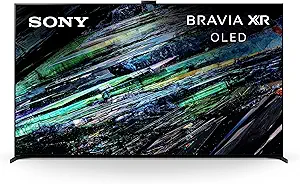
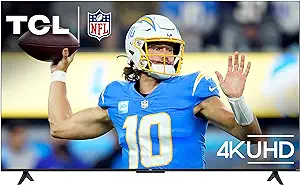
Sony and TCL are two leading brands in the television industry, each boasting their own unique features and technologies. Sony televisions are renowned for their excellent picture quality, advanced sound technology, and innovative features. The brand's latest models feature technologies such as 4K HDR, OLED, and Android TV, offering consumers a broad spectrum of options to choose from. Sony's X1 Ultimate Processor, used in their high-end models, is particularly praised for its ability to upscale content to near 4K HDR quality. However, Sony TVs are generally more expensive compared to other brands, which could be a deterrent for some consumers. On the other hand, TCL televisions are known for their affordable pricing and good value for money. They offer a range of models from basic HD TVs to advanced QLED and 4K UHD TVs. TCL's latest models feature technologies like Dolby Vision HDR, HDR10, and Roku TV for streaming. The brand's 6-Series models are particularly popular for their excellent performance and affordability. However, while TCL TVs offer good picture quality for their price, they generally do not match the superior picture quality offered by Sony. In comparison to other brands, TCL stands out for its affordability and value, while Sony is recognized for its premium quality and advanced features.
Key Features Comparison
Affordability
When evaluating affordability, TCL and Sony represent fundamentally divergent manufacturing philosophies and pricing strategies within the television market. TCL has built its global reputation as a disruptive value powerhouse, leveraging vertical integration through its panel-manufacturing subsidiary, CSOT (China Star Optoelectronics Technology). This direct supply-chain ownership drastically cuts production overhead, allowing TCL to democratize advanced display technologies. Consumers routinely find features like high-density Mini-LED backlights, robust Full Array Local Dimming (FALD), quantum dot color enhancement, and high 120Hz/144Hz refresh rates at a fraction of the cost of legacy competitors. By aggressively targeting the entry-level to mid-tier price bands, TCL delivers exceptional raw hardware specifications per dollar, making features typically reserved for premium tiers accessible to budget-conscious buyers.
Conversely, Sony occupies a distinct premium tier where the initial cost of ownership is substantially higher across comparable screen sizes and display types. While TCL minimizes engineering margins to undercut the market, Sony charges a premium anchored in proprietary video processing, industrial design, and audio-visual R&D. Sony’s pricing reflects the integration of its industry-leading Cognitive Processor XR, which consistently outperforms TCL's AiPQ engines in critical real-world metrics such as low-resolution content upscaling, motion handling, color accuracy out of the box, and low-bitrate compression artifact smoothing. Sony rarely competes in the ultra-budget tier, positioning even its entry-level displays (like the X-series) at price points parallel to TCL's flagship offerings. Therefore, while Sony struggles to match TCL on a pure spec-sheet-per-dollar basis, it justifies its pricing through refined, class-leading picture fidelity and long-term hardware reliability.
Ultimately, the practical trade-off between the two brands centers on whether a consumer prioritizes cutting-edge hardware density or sophisticated signal processing. TCL offers unmatched affordability for buyers seeking high peak brightness, deep contrast via Mini-LED, and future-proofed gaming features without incurring significant financial strain, though users may occasionally encounter minor firmware quirks or panel uniformity lottery issues. Sony, while undeniably less affordable, offers superior build quality, unmatched post-processing finesse, and an elevated acoustic ecosystem via Acoustic Surface Audio technology. For value-driven consumers seeking maximum performance per dollar, TCL is the definitive victor; however, those with larger budgets will find Sony's refined processing capabilities well worth the higher financial threshold.
Picture Quality
Top-Rated Picture Quality Brands




Sony televisions are renowned for their superior picture quality, largely due to their advanced technologies such as X-Reality PRO and Triluminos Display. The X-Reality PRO picture processing engine enhances every pixel, providing sharpness and detail to images, while the Triluminos Display expands the color spectrum, offering more vivid and lifelike colors. Sony TVs also offer HDR compatibility, which further enhances the contrast and color range, delivering more realistic and immersive images. However, Sony TVs are generally more expensive compared to other brands, which might be a deterrent for some consumers. On the other hand, TCL televisions, especially their 6-Series, have been praised for their impressive picture quality at a more affordable price point. TCL TVs utilize Quantum Dot (QLED) technology, which delivers better brightness and wider color volume compared to traditional LED TVs. They also support Dolby Vision HDR, which enhances the contrast and color accuracy. However, some users have reported issues with the uniformity of the screen, with some areas appearing darker than others. When compared to Sony, TCL TVs might not offer the same level of color accuracy and sharpness, but they do provide great value for their price.
Brand Reputation
Sony Televisions have a long-standing reputation in the market for their innovative technology and high-quality products. The brand is known for integrating the latest technologies such as 4K, HDR, and OLED into their televisions, offering exceptional picture quality and immersive viewing experience. Sony's Android TV platform also offers a wide range of apps and services, enhancing the overall user experience. However, Sony TVs are often priced higher than many other brands, which may be a deterrent for some consumers. On the other hand, TCL Televisions, a relatively newer player in the market, has quickly gained a positive reputation for offering feature-rich televisions at affordable prices. TCL TVs often come with Roku TV built-in, providing easy access to a vast library of streaming content. The brand's 6-Series models are particularly praised for their QLED technology and Dolby Vision HDR, delivering impressive picture quality. However, TCL's user interface is not as refined as Sony's, and their TVs may not offer the same level of durability and longevity. Despite these drawbacks, TCL's value for money proposition has made it a strong competitor to established brands like Sony.
Smart Features
Sony Televisions are renowned for their smart features, which are powered by the Android TV platform. This platform provides access to a vast range of apps from the Google Play Store, including popular streaming services like Netflix, Amazon Prime, and Disney+. Sony TVs also support Google Assistant for voice control and Chromecast for easy content sharing from other devices. Additionally, Sony's higher-end models come with advanced features like Google Home integration and Dolby Vision HDR support. However, Sony TVs are generally more expensive compared to other brands, and their user interface can be complex for some users. On the other hand, TCL Televisions use the Roku TV platform for their smart features. Roku is known for its user-friendly interface and extensive library of streaming services. It also supports voice control through Amazon Alexa and Google Assistant. TCL TVs stand out for their affordability and value for money, making them a popular choice for budget-conscious consumers. However, they lack some of the advanced features found in Sony TVs, such as Dolby Vision HDR support. Additionally, while Roku has a wide range of apps, it doesn't have the same breadth of options as the Google Play Store on Android TV.
Conclusion
Sony and TCL are two brands that have made a significant impact in the television industry. Sony televisions, known for their superior picture quality and sound, use the latest technologies like 4K HDR, X-Reality PRO, and Triluminos Display. These technologies enhance the viewing experience by offering exceptional detail, color, and contrast. Sony's Android TV platform also provides a wide range of apps and games. However, Sony televisions are typically more expensive than many other brands, which may be a deterrent for some consumers. On the other hand, TCL televisions are known for their affordability and value for money. They offer features like 4K UHD, HDR, and Dolby Vision, which are typically found in higher-end models. TCL's Roku TV platform is user-friendly and offers a vast selection of streaming services. However, the picture and sound quality of TCL televisions may not be as high as that of Sony. The build quality of TCL televisions also tends to be less robust compared to Sony. When comparing these two brands, it's clear that Sony offers a more premium experience, while TCL provides a more budget-friendly option.