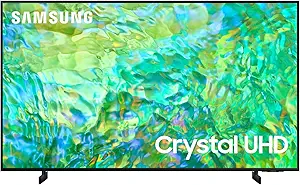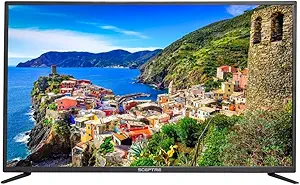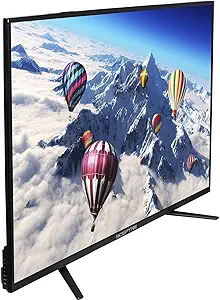






The television market offers a multitude of options, with brands like Samsung and Sceptre competing for consumers' attention. Samsung, a household name renowned for its innovation, faces off against Sceptre, a brand known for delivering budget-friendly displays. In this article, we'll delve into the differences between Samsung and Sceptre TVs, examining key aspects to help you make an informed decision based on your preferences and requirements.
Key Features Comparison
Affordability
When evaluating affordability, Sceptre is widely recognized as a market leader in bottom-dollar pricing, prioritizing baseline utility over premium manufacturing. Sceptre achieves its aggressive price points by stripping away superfluous licensing fees, proprietary processing chips, and advanced chassis materials. This makes their lineup exceptionally attractive to cost-conscious consumers, college students, or commercial buyers outfitting spaces like waiting rooms where display quality is secondary to utility. In contrast, Samsung demands a notable price premium across nearly all segments, justified by heavy investment in specialized panel development, such as Quantum Dot and Neo QLED technologies, high-tier build materials, and integrated acoustic engineering.
The trade-offs inherent to these pricing models are directly visible in performance longevity and overall return on investment. Sceptre delivers functional 1080p and entry-level 4K playback at a fraction of the cost, but consumers routinely sacrifice features like wide color gamuts, local dimming arrays, and high-peak HDR brightness. Samsung’s budget options, such as the Crystal UHD series, are still priced higher than comparable Sceptre models, yet they offer substantially better picture processing, superior energy efficiency, and higher customer satisfaction. For pure fiscal conservatism, Sceptre wins unequivocally, but Samsung offers far better price-to-performance value for users demanding a modern, cinematic home theater experience.
Picture Quality
Top-Rated Picture Quality Brands




Samsung is synonymous with cutting-edge display technology, particularly its QLED (Quantum Dot LED) technology. Samsung TVs consistently deliver vibrant colors, high brightness levels, and exceptional color accuracy. The incorporation of HDR (High Dynamic Range) further enhances the visual experience, making Samsung TVs a top choice for those seeking premium picture quality.
Sceptre, on the other hand, positions itself as a budget-friendly option. While Sceptre TVs may not boast the same advanced display technologies as Samsung, they often provide decent picture quality for their price range. Sceptre's offerings can be a suitable choice for consumers who prioritize affordability without sacrificing too much on visual performance.
Brand Reputation
Samsung stands as an undisputed titan in consumer electronics, maintaining decades of brand prestige anchored by relentless technological innovation and aggressive marketing. The South Korean manufacturer has pioneered industry shifts from standard LCDs to curved screens, ultra-thin profiles, and cutting-edge micro-LED designs, solidifying consumer trust on a global scale. This high-standing reputation is reflected in its dependable customer support networks, widespread service center availability, and comprehensive manufacturer warranties, giving consumers peace of mind that a Samsung purchase represents premium tier engineering and high reliability.
Sceptre occupies a distinctly different lane, positioning itself as a no-frills, utilitarian brand focused on budget-tier consumer monitors and basic televisions. While Sceptre has garnered a loyal following for delivering functional hardware at razor-thin profit margins, its reputation suffers from perceived hardware inconsistency, lower quality control tolerances, and minimal domestic technical support. Consumers and industry reviewers often regard Sceptre units as transient or secondary-room appliances rather than core home theater centerpieces. Consequently, while Samsung commands aspirational brand equity and high consumer confidence, Sceptre is viewed purely as a transactional, value-oriented alternative.
Smart Features
The division between Samsung and Sceptre is perhaps most pronounced in their approach to smart platform integration and connectivity ecosystems. Samsung equips its modern displays with its proprietary Tizen operating system, a polished, feature-dense platform that boasts full-featured app marketplaces, seamless multi-device mirroring, and deep integration with the SmartThings smart-home standard. Tizen features smooth UI navigation, specialized ambient display modes, and native support for major voice assistants like Bixby, Alexa, and Google Assistant, creating a centralized digital hub within the home.
Conversely, Sceptre frequently foregoes modern smart platforms altogether in its lowest-cost panels, marketing strictly 'dumb' televisions that lack built-in operating systems, app stores, or Wi-Fi connectivity. While Sceptre offers select models running third-party platforms like Android TV or Roku OS, the onboard processing hardware is often underpowered, leading to sluggish interface navigation and slower app initialization compared to Samsung’s optimized silicon. While some purists appreciate Sceptre's lack of telemetry and bloatware—relying instead on external streaming devices like an Apple TV or Fire Stick—Samsung provides a vastly superior, turnkey smart ecosystem out of the box.
Conclusion
Choosing between Samsung and Sceptre TVs depends on your specific needs and budget constraints. If you prioritize top-tier picture quality, sleek designs, and are willing to invest in premium technology, Samsung is likely the better choice. However, if affordability is a key factor and you are looking for a television that delivers decent performance without breaking the bank, Sceptre provides a compelling option. Consider your priorities, the features that matter most to you, and your budget before making a decision. Both Samsung and Sceptre cater to different market segments, ensuring that consumers have options tailored to their diverse needs.