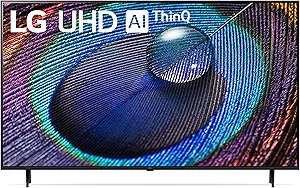
As the television market continues to evolve, consumers are faced with an array of options from reputable brands, each vying for a spot in your living room. In this comparison, we'll explore the strengths and features of two prominent players: LG and Vizio. From display technology to smart features, understanding the distinctions between these brands is crucial for making an informed decision on your next TV purchase.
Key Features Comparison
Affordability
When evaluating affordability in the television marketplace, VIZIO and LG operate with fundamentally different value engineering philosophies. VIZIO has historically built its brand identity around aggressive price-to-performance ratios, strategically democratizing high-end display technologies. By prioritizing full-array local dimming (FALD), quantum dot color layers, and HDMI 2.1 features on entry-to-midrange series like the V-Series and M-Series Quantum, VIZIO allows budget-conscious consumers to access impressive HDR capabilities and gaming specs at a fraction of the cost of premium competitors. In contrast, LG positions itself primarily as a technology pioneer, commanding higher baseline prices across its fleet. While LG produces entry-level LED models (such as the UT/UR series), these low-cost options often employ edge-lit backlights or basic direct-lit panels without advanced dimming zones, meaning consumers must step up to LG's considerably more expensive QNED or market-leading OLED lines to see the manufacturer's true engineering prowess.
The practical trade-offs regarding this cost differential become starkly apparent when examining software integration, panel longevity, and processor execution. VIZIO keeps hardware acquisition costs exceptionally low by subsidizing their displays through an ad-heavy SmartCast operating system, which frequently suffers from sluggish navigation, delayed app updates, and less refined image processing compared to LG’s Alpha-series silicon. Conversely, an investment in an LG display—even in the lower-mid tier—yields the superior, fluid webOS ecosystem, superior off-axis viewing via their IPS-derived panel heritage, and far more consistent factory color calibration. Furthermore, LG’s supply-chain dominance in large-scale OLED manufacturing allows them to periodically discount previous-generation B-series and C-series models, offering an unmatched entry point into reference-grade contrast for consumers willing to spend slightly above traditional budget thresholds.
Ultimately, the determination of affordability hinges on whether a buyer measures value strictly by the initial purchase invoice or by performance-per-dollar over a television's lifespan. VIZIO undisputedly wins the battle of pure upfront cost, granting access to 4K resolution, deep black levels, and large screen real estate with minimal financial barrier to entry, making it the superior choice for strict budget allocations. However, LG justifies its elevated pricing structure through industry-standard reliability, class-leading upscaling processors, and long-term software support. For buyers who view affordability through the lens of long-term return on investment, LG’s higher retail price mitigates the performance bottlenecks and premature hardware obsolescence occasionally associated with VIZIO's ultra-budget engineering.
Picture Quality
Top-Rated Picture Quality Brands




Both LG and Vizio offer TVs with a range of resolutions, including Full HD (1080p), 4K Ultra HD (2160p), and even 8K in flagship models. LG's 4K OLED displays are known for their sharp details, realistic colors, and impressive clarity. LG's dedication to pushing the boundaries of resolution technology ensures a premium viewing experience.
Vizio, on the other hand, is recognized for providing affordable options without compromising on picture quality. Models like the Vizio P-Series Quantum showcase QLED technology, delivering vibrant colors and enhanced brightness. Vizio aims to strike a balance between performance and value, making higher resolutions accessible to a broader audience.
Brand Reputation
In the television industry, LG enjoys a top-tier global reputation anchored by cutting-edge display engineering, premium industrial design, and an undisputed leadership position in OLED technology. Widely regarded by home theater enthusiasts and industry calibrators as a market innovator, LG manufactures its own panels through its sister company, LG Display, giving it absolute control over hardware synthesis, processor optimization, and long-term durability. The brand’s Alpha-series video processors, advanced gaming capabilities with full-bandwidth HDMI 2.1 support, and polished webOS operating system have cemented its standing as a premiere, reliable manufacturer. Consequently, LG carries significant brand equity and consumer trust, representing high-end performance, robust customer service channels, and class-leading picture accuracy that reliably justify its premium price point.
Conversely, VIZIO has established a fiercely competitive reputation rooted in disruptive value, democratizing advanced features like full-array local dimming and quantum dot color for budget-conscious consumers. Historically functioning as an agile, low-overhead assembler rather than a raw component manufacturer, VIZIO built its brand equity on delivering exceptional contrast ratios and brightness-per-dollar metrics in the North American market. While highly celebrated in the mid-tier and entry-level segments for models like the M-Series and V-Series, VIZIO's reputation has periodically suffered from quality control inconsistencies, software fragility, and an overly ad-heavy SmartCast/WatchFree+ interface that lacks the fluid responsiveness of tier-one platforms. Power users often associate VIZIO with occasional firmware bugs and shorter component longevity compared to legacy brands.
When weighing brand reputation between the two, consumers face a fundamental trade-off between LG’s proven legacy of technological innovation and VIZIO’s budget-oriented utility. An investment in LG buys entry into a prestigious ecosystem characterized by peerless black levels, low input lag, and superior long-term hardware reliability, making it the default choice for cinephiles, next-generation console gamers, and buyers prioritizing prestige. VIZIO, while undeniably impressive in its ability to offer near-flagship LCD visual specifications at fractional price points, remains stigmatized by its utilitarian market status and lingering software quirks. For long-term peace of mind and technical sophistication, LG commands an inherently superior brand reputation, whereas VIZIO excels strictly within the parameters of calculated, aggressive value.
Smart Features
Smart TV capabilities are integral to the modern viewing experience, and both LG and Vizio offer robust platforms. LG employs webOS, a user-friendly operating system known for its intuitive interface, quick app access, and support for voice control. LG's Magic Remote enhances the user experience with features like motion control and voice recognition.
Vizio utilizes the SmartCast platform, which includes a built-in Chromecast and support for popular streaming apps. While not as widely recognized as some other smart TV platforms, SmartCast competently delivers essential features for seamless content access. Vizio's commitment to providing a comprehensive smart TV experience is evident in its latest models.
Conclusion
Choosing between LG and Vizio TVs involves considering your specific preferences, budget constraints, and the features that matter most to you. LG's OLED displays offer an unparalleled visual experience, while Vizio aims to provide competitive picture quality at more accessible price points. Before making a decision, evaluate factors such as display technology, resolution, smart TV features, and design aesthetics to find the TV that aligns with your needs and preferences.