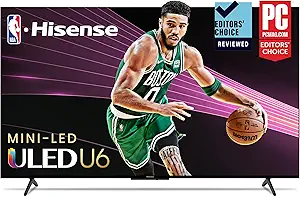
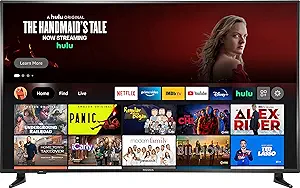
In the realm of affordable televisions, Hisense and Insignia have carved out their niches, offering budget-friendly options for consumers seeking a balance between quality and cost. This article delves into the Hisense vs Insignia TV comparison, exploring the distinctive features, performance capabilities, and considerations that can guide your decision when choosing an entertainment centerpiece for your home.
Key Features Comparison
Affordability
When analyzing upfront cost and perceived value, Hisense and INSIGNIA approach affordability from fundamentally different engineering angles. INSIGNIA, serving as Best Buy’s exclusive house brand, is engineered primarily to anchor the absolute bottom tier of the price spectrum. By utilizing cost-effective, off-the-shelf direct-lit LED panels, basic audio hardware, and integrated Fire TV or Roku operating systems, INSIGNIA minimizes manufacturing overhead and licensing fees. This results in ultra-accessible pricing across entry-level small displays and mid-sized 4K screens, making them exceptionally appealing to budget-constrained shoppers, college students, or those outfitting secondary rooms like guest bedrooms and kitchens where premium picture quality is not a necessity.
Hisense, on the other hand, redefines affordability not just by slashing prices, but by aggressively democratizing high-end display technologies. While Hisense offers standard budget models that compete directly with INSIGNIA on price, its primary competitive edge lies in offering advanced features—such as Mini-LED backlighting, Quantum Dot color enhancement, full-array local dimming, and native 120Hz/144Hz refresh rates—at price points hundreds of dollars below established flagship manufacturers. Consequently, while INSIGNIA is the undisputed winner for consumers seeking the lowest possible absolute dollar expenditure for a functional television, Hisense delivers vastly superior technical value per dollar, offering mid-to-high-tier visual performance at lower-tier pricing.
Picture Quality
Top-Rated Picture Quality Brands



Hisense and Insignia both aim to deliver respectable picture quality within the constraints of their budget-friendly offerings. Hisense, with its ULED technology, emphasizes vibrant colors, deep blacks, and impressive contrast ratios, providing a visually engaging experience. Insignia, on the other hand, focuses on delivering reliable LED panels that offer decent clarity and color reproduction. While Hisense may excel in certain visual aspects, Insignia seeks to provide a competent viewing experience without breaking the bank.
Brand Reputation
Brand reputation for both Hisense and INSIGNIA is shaped by their distinct market trajectories and target demographics. Hisense has evolved from a generic budget electronics manufacturer into a globally recognized display powerhouse, widely respected in enthusiast and consumer technology communities. The brand has built significant credibility by consistently winning industry awards and earning critical acclaim for pushing the boundaries of price-to-performance metrics, particularly with its ULED lineup. However, this aggressive innovation is sometimes tempered by consumer reports regarding software glitches, occasional panel lottery inconsistencies, and customer support infrastructure that, while improving, still lags behind premier tier-one competitors.
In contrast, INSIGNIA holds a pragmatic, no-frills reputation anchored by the retail presence and logistical backing of Best Buy. Rather than attempting to compete for technological prestige, INSIGNIA focuses on straightforward utility and basic reliability. The brand enjoys strong consumer goodwill primarily because expectations are clearly set and routinely met: buyers know they are purchasing a utility-focused television that is simple to operate and backed by the easy return and exchange policies of a major nationwide retailer. While purists and home theater hobbyists overlook INSIGNIA due to its limited contrast, basic color reproduction, and absence of modern gaming features, the general public views it as a dependable, low-risk utility brand for casual viewing.
Smart Features
Smart TV capabilities are becoming increasingly essential, even in budget-friendly models. Hisense relies on the VIDAA U platform for its smart functionalities, offering a user-friendly interface and essential features. Insignia integrates smart systems that provide convenient access to streaming services and apps. Evaluate the availability of apps, ease of use, and additional smart features based on your preferences and usage patterns.
Conclusion
The Hisense vs Insignia TV comparison underscores the choices available for consumers seeking budget-friendly entertainment solutions. Whether you prioritize picture quality, performance, audio, or smart features, both Hisense and Insignia cater to various needs. Take the time to assess specific models within your desired price range, considering the features that align with your preferences, to find the TV that seamlessly fits into your home entertainment setup without breaking the bank.