Yamaha vs JBL: Overview & Brand Philosophy
When engineering low-frequency transducers, few names command as much historic authority as Yamaha and JBL. While both brands are global leaders in audio reproduction, their core acoustic philosophies stem from distinctly different heritage backgrounds. Yamaha, celebrated for its century-long lineage as a musical instrument artisan and precision electronics manufacturer, approaches subwoofer design with a commitment to natural fidelity, tonal accuracy, and musical integration. In consumer home audio, Yamaha champions the concept of "True Sound," engineering subwoofers designed to integrate seamlessly into a stereo or home theater ecosystem without calling overt attention to themselves as isolated sound generators.
Conversely, JBL (James B. Lansing) traces its pedigree directly back to the golden era of cinema sound and large-scale concert reinforcement. Operating under the Harman International umbrella (a subsidiary of Samsung Electronics), JBL approaches subwoofer engineering through the lens of dynamic headroom, high sensitivity, and visceral acoustic impact. Whether manufacturing entry-level consumer bass modules or high-excursion architectural subwoofers, JBL prioritizes the low-frequency slam, chest-thumping tactile energy, and cinematic immersion that define modern commercial movie theaters. Where Yamaha seeks tonal neutrality and delicate acoustic balance, JBL demands unbridled energy and authoritative SPL (Sound Pressure Level) output.
This philosophical divide translates directly into real-world consumer hardware. Yamaha’s catalog, notably anchored by its NS-SW series, focuses heavily on compact footprints, refined cabinetry, and patented airflow management designed for multi-purpose living rooms and discerning audiophile setups. JBL, spanning lines like the Stage, Studio 6, and pro-grade HDI series, relies on massive voice coils, stiff composite cones, and heavy-duty motor structures designed to move significant volumes of air. Understanding which brand aligns with your lifestyle requires balancing your acoustic preference between musical nuance and cinematic power.
Key Differences & Technological Comparison
The engineering differentiation between Yamaha and JBL lies primarily within driver construction, port dynamics, and proprietary acoustic amplification. Yamaha’s signature innovation in low-frequency reproduction is its patented Twisted Flare Port technology. Conventional bass-reflex subwoofers frequently suffer from port turbulence (chuffing) when air exits the cabinet at high velocities during intense transients. Yamaha addresses this with a gently twisted, flared port opening that diffuses the vortex of air generated around the edge, resulting in a smooth, quiet air discharge. Combined with their Advanced YST II (Yamaha Active Servo Technology), which dynamically cancels impedance between the internal amplifier and the speaker cone, Yamaha units achieve linear, tightly controlled piston motion that minimizes distortion and preserves bass detail even within modest cabinet volumes.
JBL approaches distortion control from a heavy-duty mechanical perspective. Rather than focusing strictly on aerodynamic port baffling, JBL designs drivers featuring proprietary PolyPlas or HDI (High-Definition Imaging) ribbed cellulose/polymer cones paired with massive magnet assemblies and extended heat sinks. Many premium JBL subwoofers utilize front-firing, ultra-long-throw woofers coupled with dual rear-firing tuned ports optimized via computer-modeled slipstream geometries. This architecture produces immense low-end extension, frequently reaching deeper into the subsonic threshold (sub-30Hz territory) with lower audible compression at high volumes compared to similarly priced Yamaha units.
Amplification philosophies also diverge significantly. Yamaha relies heavily on high-efficiency, cool-running digital switching amplifiers engineered to deliver clean, continuous RMS power tailored specifically to high-damping acoustic suspension. Their controls lean toward understated utility, offering standard variable crossovers, phase switches, and auto-standby circuitry. JBL integrates higher-wattage Class-D amplifiers capable of delivering massive peak dynamic wattage to handle unpredictable cinematic transients—such as seismic explosions or orchestral crescendos. Additionally, higher-tier JBL models frequently offer more robust room-integration features and balanced XLR connectivity derived from their professional division, providing better versatility in dedicated, high-output home theater installations.
Pros & Cons Comparison
Yamaha Subwoofers
- Pros:
- Exceptional musicality with tight, fast transient response and zero overhang.
- Twisted Flare Port engineering virtually eliminates air turbulence and port chuffing.
- Compact, aesthetically restrained enclosures that blend seamlessly into multi-use living spaces.
- Highly competitive pricing in the entry-to-midrange consumer categories.
- Extremely low electrical idle consumption with intelligent auto-sensing standby modes.
- Cons:
- Limited ultra-low-frequency extension; struggles to produce true subsonic (sub-25Hz) pressure.
- Peak dynamic wattage ratings are conservative compared to JBL's high-output alternatives.
- Cabinet finishes are functional but lack luxury real-wood veneer options on mainstream models.
JBL Subwoofers
- Pros:
- Massive acoustic output and visceral tactile impact, ideal for cinema immersion.
- Superior sub-bass extension that reaches into deep, room-shaking frequencies without clipping.
- Rugged, heavily braced cabinet constructions built to suppress internal standing waves.
- Advanced driver topologies using stiff PolyPlas or composite cones for minimal cone flex.
- Diverse portfolio spanning affordable entry-level units to ultra-high-end architectural theater subs.
- Cons:
- Cabinets tend to be large, bulky, and difficult to place discreetly in modest rooms.
- Can lean toward a warm, "thick" sound signature that requires careful calibration for fast musical passages.
- Command a higher price-to-wattage premium at the top end of their consumer portfolio.
Performance, Durability & Value Analysis
From a longevity and build-integrity standpoint, both manufacturers exhibit excellent operational reliability, though their failure modes and durability tolerances differ based on operational intent. Yamaha subwoofers are renowned for thermal stability and electronic longevity. Because Yamaha designs its internal power stages conservatively within precise operational envelopes, their subwoofers rarely experience voice-coil burnout or plate-amplifier failure under standard home listening conditions. The MDF cabinets are tightly sealed and finished with durable vinyl wraps that resist humidity and cosmetic wear. However, in terms of sheer structural reinforcement, JBL models typically employ thicker internal baffles and extensive cross-bracing to counteract the immense internal cabinet pressure generated by their long-throw drivers, ensuring cabinet resonance remains virtually non-existent even after years of high-volume excursions.
When analyzing return on investment, the value equation shifts according to how you define performance. In the sub-$400 budget space, Yamaha delivers unmatched dollar-for-dollar refinement. Models like the NS-SW050 and NS-SW100 provide clean, articulate, and tuneful bass that outperforms cheap, boomy alternatives, making them exceptional values for secondary rooms and 2.1-channel stereo setups. Yet, once your budget extends into the $500 to $1,500+ spectrum, JBL’s value proposition dominates for dedicated media rooms. The structural engineering, sustained output capability, and low-frequency reach of lines like the JBL Studio series offer home theater enthusiasts genuine cinema-grade performance that Yamaha’s consumer line simply does not attempt to replicate.
Final Verdict: Which Brand Should You Choose?
Choosing between Yamaha and JBL ultimately comes down to your primary listening material, room dimensions, and expectations for low-frequency performance.
Choose Yamaha if:
- Your primary focus is music reproduction (jazz, classical, acoustic, or classic rock) where speed, rhythm, and pitch definition take precedence over sheer volume.
- You are outfitting a small to medium-sized living room or an apartment where physical space is limited and neighbor-disturbing infrasonic frequencies are undesirable.
- You want a reliable, set-it-and-forget-it subwoofer that seamlessly blends into a stereo system on a modest consumer budget.
Choose JBL if:
- Your system is predominantly dedicated to home theater entertainment, modern cinematic gaming, or high-energy bass-heavy genres (hip-hop, EDM).
- You have a medium-to-large listening environment that demands authoritative acoustic pressurization and frequencies that dip into deep sub-bass territory.
- You want high dynamic headroom and physical chest impact that mimics the experience of a commercial movie theater or live concert venue.
Design/Look
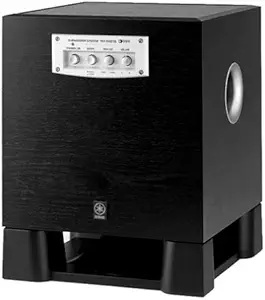
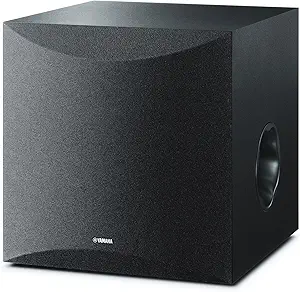
Yamaha approaches subwoofer design with a philosophy deeply rooted in understated sophistication and architectural integration. Drawing heavily from their hi-fi and musical instrument heritage, Yamaha subwoofers—such as the NS-SW series—often feature sleek, minimalist trapezoidal or cube enclosures with high-gloss piano black or muted matte finishes. The aesthetic is clean and domestically friendly, prioritizing unobtrusive elegance that blends seamlessly into formal living rooms and dedicated home theaters alike. From an engineering perspective, this visual restraint often incorporates proprietary structural designs, such as the Twisted Flare Port, where the aerodynamic vent is sculpted directly into the fascia to serve both as a functional acoustic optimizer and a subtle visual accent. Construction typically leans into robust, dense MDF with tight panel tolerances, delivering a polished, furniture-grade presence that appeals to traditional audiophiles and interior-conscious consumers.
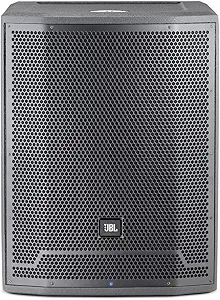
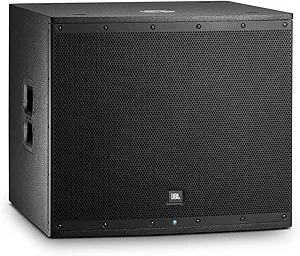
Conversely, JBL’s design ethos is characterized by an assertive, modern, and often performance-forward aesthetic, heavily influenced by their heritage in professional cinema and live-sound concert reinforcement. Lines like the Stage and Studio series feature bolder architectural cues, including deeply contoured baffles, ribbed woofer cones (such as their signature PolyPlas material), and high-contrast colorways that demand visual attention rather than receding into the background. JBL enclosures frequently utilize textured wood-grain or brushed industrial vinyl wraps accented by prominent, branded badges and distinct driver surround trims. While they offer magnetic grilles for a cleaner front profile, the naked aesthetic of a JBL subwoofer visually telegraphs acoustic power and dynamic headroom, appealing more to high-energy home theater enthusiasts and modern media room designers who want their audio hardware to double as a statement piece.
The practical trade-offs between the two brands ultimately reflect a choice between visual harmony and dynamic exhibitionism. Yamaha excels in residential versatility, offering smaller-footprint, low-profile, or specialized slim-wall units that slip easily into tight spaces without clashing with existing home decor. However, their restrained finishes and subdued driver presentation can feel overly conservative or lack visual excitement for power-oriented users. JBL, while occasionally bulkier and harder to disguise in elegant, traditional interiors due to their deeper cabinet depths and aggressive styling, provides a tactile, professional presence that visibly justifies the engineering beneath the surface. Buyers prioritizing seamless furniture matching and sleek minimalism will naturally gravitate toward Yamaha, whereas those looking for an imposing, cinema-authentic display of audio authority will find JBL’s expressive industrial design far more compelling.
Affordability
When assessing affordability in the subwoofer category, Yamaha and JBL approach cost-efficiency through markedly different engineering philosophies and target use-cases. Yamaha is widely recognized for dominating the entry-to-mid-tier consumer home audio segment, offering powered subwoofers (such as the NS-SW series) that deliver high acoustic value per dollar. Utilizing their proprietary Twisted Flare Port and Advanced YST II (Yamaha Active Servo Technology), Yamaha maximizes linear airflow and cone control using modest, highly efficient amplifiers and lightweight enclosures. This clever acoustic engineering allows them to achieve punchy, musical low-frequency performance at price points that are exceptionally accessible for budget-conscious home theater builders, often retailing significantly below the median market cost for dedicated subwoofers.
Conversely, JBL’s approach to affordability reflects a dual identity spanning high-output consumer audio and professional live sound, resulting in a broader, more segmented pricing structure. In the consumer space (such as the Stage and Studio series), JBL subwoofers generally command a slight price premium over entry-level Yamahas, but this differential is justified by technical strengths like rigid polycellulose cones, high-excursion surrounds, and higher continuous RMS wattage capable of pressurized, cinema-grade output. In the professional category (such as the EON and PRX series), JBL represents practical affordability through high-output Class-D amplification, integrated DSP, and durable DuraFlex-coated birch enclosures designed to withstand touring rigors, offering a lower total cost of ownership through component longevity and high SPL thresholds rather than a low initial purchase barrier.
Ultimately, the trade-off regarding affordability boils down to room dynamics, intended application, and output demands. Yamaha delivers superior absolute affordability for casual listeners and compact-to-medium home spaces, providing refined baseline features like auto-standby, phase switching, and variable crossovers at prices rarely rivaled in clean performance. JBL, while demanding a steeper upfront investment across most comparable tiers, provides higher perceived value for power users who require greater headroom, sub-bass extension reaching down to true cinema thresholds, and higher thermal handling. Budget-constrained users prioritizing everyday TV, gaming, and musical integration will find Yamaha’s price-to-performance ratio hard to beat, whereas those seeking visceral cinematic impact or commercial-grade durability will find JBL's higher price tag thoroughly warranted over time.
Reputation
In the realm of low-frequency audio reproduction, JBL commands an industry-defining reputation rooted in professional cinema sound reinforcement, commercial venues, and concert touring. Under the Harman International (and ultimately Samsung) umbrella, JBL’s pedigree is inseparable from pioneering acoustic research, custom high-excursion driver development, and iconic installations in commercial movie theaters globally. In the consumer space, this heritage translates into a brand image synonymous with raw dynamic headroom, authoritative sound pressure levels (SPL), and high-impact performance. Enthusiasts and home theater integrators regard JBL subwoofers—particularly lines like the HDI and Studio series—as muscular, acoustically potent powerhouses that excel in high-energy cinematic environments and large listening rooms, solidifying JBL’s standing as an uncompromising heavyweight in low-end authority.
Conversely, Yamaha approaches the subwoofer market through the lens of holistic audio engineering, musical fidelity, and precision consumer electronics. Rather than leaning on raw, high-SPL theater dominance, Yamaha has built a sterling reputation around proprietary acoustic innovations such as its Advanced Active Servo Technology (Advanced YST), which actively balances amplifier output with driver impedance to maintain exceptionally linear cone movement and minimize distortion. Yamaha’s reputation is deeply associated with musicality, tight transient response, and seamless, natural integration into living room hi-fi systems and modest multi-channel setups. Consumers and audio purists view Yamaha as a paragon of reliability, refined build quality, and nuanced acoustic control, particularly valuing their Twisted Flare Port design that eliminates mechanical air turbulence in compact enclosures.
From a practical consumer perspective, the trade-offs between these two reputations reflect distinct listening philosophies and technical goals. JBL’s market capital is built on physical impact, deep bass extension reaching into sub-audible infrasonic frequencies, and the ability to sustain peak dynamic loads without thermal compression—traits that come with larger physical footprints and higher price-to-performance premiums. Yamaha’s reputation delivers unmatched confidence for buyers seeking affordability, long-term component durability, and agile bass that enhances stereo musical arrangements rather than overpowering them, though they rarely compete with JBL in cavernous spaces requiring visceral, tactile impact. Ultimately, JBL retains the premier reputation for cinematic bass and scale, while Yamaha maintains an enviable reputation for accessible, highly musical, and engineered-for-longevity low-end solutions.
Sound Quality
When evaluating sound quality in the subwoofer category, Yamaha and JBL represent two distinct acoustic philosophies driven by proprietary engineering. Yamaha emphasizes musicality, tonal precision, and tight acoustic control, largely due to its patented Twisted Flare Port and Advanced YST II (Yamaha Active Servo Technology). Advanced YST dynamically optimizes speaker impedance to maintain perfectly linear motion, which virtually eliminates cone overshoot and preserves pitch accuracy in complex basslines. Yamaha's Twisted Flare design physically diffuses air turbulence at the port edge, reducing the "chuffing" noise that plagues lesser bass-reflex cabinets. Consequently, Yamaha subwoofers deliver an exceptionally clean, articulate, and natural low-frequency extension that integrates seamlessly into dedicated stereo hi-fi systems and smaller home theaters, though they often trade off absolute physical chest-thump in the sub-30Hz realm.
Conversely, JBL leverages its rich heritage in professional concert sound and cinema installations, engineering its consumer subwoofers for visceral impact, expansive dynamic headroom, and deep low-frequency extension. Utilizing high-excursion PolyPlas or ribbed polycellulose woofers paired with high-efficiency Class-D amplification, JBL focuses on maximum acoustic output and tactile pressure. Tuned rear-firing Slipstream ports allow these subwoofers to push massive volumes of air with minimal compression during demanding Hollywood action sequences or bass-heavy modern music. While a comparable Yamaha unit provides superior pitch definition for an upright bass in a jazz quartet, a JBL subwoofer commands the infrasonic spectrum, delivering the physical rumble and sheer theatrical presence that movie enthusiasts crave, albeit occasionally at the cost of slight upper-bass warmth and transient tightness.
Ultimately, the sound quality trade-off between the two brands hinges on the listener's primary media consumption and room acoustics. Yamaha is the connoisseur’s choice for nuanced acoustic listening, offering tighter damping, faster transient recovery, and zero port distortion, making it ideal for critical music listening in moderate spaces where bass boom must be avoided. JBL is the undisputed powerhouse for scale and cinema-grade immersion, offering higher decibel output per watt and authoritative low-end slam that can effortlessly energize larger, open-concept living spaces. Audiophiles seeking transparent sonic integration should lean toward Yamaha, while home theater purists seeking visceral, room-shaking cinematic dynamics will find JBL superior.