In the quest for the perfect audio setup, subwoofers are a critical component for delivering the deep, resonant bass that enriches music, movies, and gaming. Two prominent brands in the subwoofer market are Klipsch and Polk Audio, each known for their distinctive sound and quality. This article compares Klipsch and Polk Audio subwoofers, examining their features, performance, and overall value to help you decide which brand best fits your audio needs.
Klipsch Subwoofers: Dynamic and Robust
Klipsch has been a leader in the audio industry for decades, renowned for its dynamic sound and high-performance speakers. Klipsch subwoofers are designed to deliver powerful, accurate bass, making them a favorite among audiophiles and home theater enthusiasts.
Polk Audio Subwoofers: Balanced and Versatile
Polk Audio is another highly respected name in the audio world, known for producing speakers that deliver balanced, high-quality sound. Polk subwoofers are designed to offer a blend of performance, affordability, and ease of integration into various audio systems.
Key Features Comparison
Design/Look
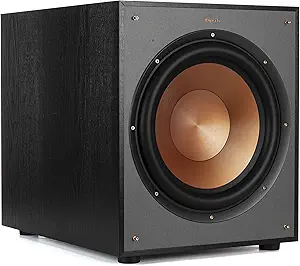
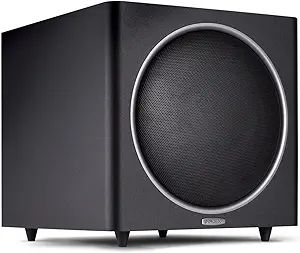
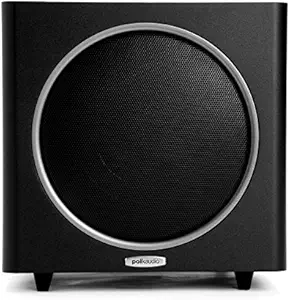
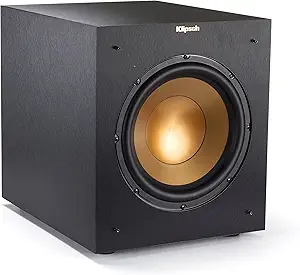
When evaluating the industrial design and aesthetic execution of Polk Audio and Klipsch subwoofers, consumers are presented with two fundamentally divergent philosophies: understated integration versus assertive, high-impact presence. Polk Audio generally leans toward a lifestyle-friendly, minimalist aesthetic engineered to blend seamlessly into contemporary living spaces. Models across their modern lines, such as the Monitor XT and Signature Elite series, feature softly radiused corners, dark wood-grain vinyl finishes, and acoustic-fabric grilles that conceal the driver to maintain visual neutrality. By contrast, Klipsch embraces an aggressive, heritage-rooted home theater identity defined by its signature spun-copper Cerametallic or thermoformed crystalline polymer (TCP) woofers. Framed by sharp-edged, scratch-resistant ebony vinyl wraps with textured wood patterns and reinforced internal bracing, a Klipsch subwoofer—such as those in the Reference or Reference Premiere lines—is purposefully engineered to be displayed with its grille off, serving as a dynamic visual focal point rather than fading into the background.
From an engineering and functional design perspective, both manufacturers tailor their architectural choices to balance aesthetic appeal with acoustical performance, though they make distinct technical trade-offs. Polk frequently utilizes down-firing ports or their proprietary "Power Port" venting technology, an engineering approach that not only reduces chuffing and turbulence but also clean up the external cabinet footprint, allowing for a sleeker profile and more forgiving near-wall room placement. Klipsch typically favors front-firing drivers paired with either front- or rear-firing "Aerofoil" slot ports; this classic layout necessitates a bulkier, deeper cabinet enclosure to maximize internal air volume, but it rewards the user with unmistakable, professional-grade visual theater cues. Additionally, Klipsch often integrates subtle front-facing low-profile LED power indicators that enhance the high-tech aesthetic, whereas Polk prioritizes rear-mounted interfaces to eliminate distracting light bleed in darkened media rooms. Ultimately, Polk Audio is the design victor for users desiring acoustic capability housed in an unobtrusive, furniture-grade form factor, while Klipsch remains the definitive choice for enthusiasts seeking a bold, industrial, and distinctly performance-forward centerpiece.
Affordability
When evaluating affordability in the subwoofer category, Polk Audio emerges as the definitive champion of true entry-level accessibility and pure cost-to-performance value. Polk’s product design philosophy targets budget-conscious audiophiles and casual home theater enthusiasts who require low-frequency reinforcement without a major financial commitment. Models within Polk’s entry-to-midrange series, such as the Monitor XT and legacy PSW lineups, feature cost-effective engineering choices, including high-density cabinet laminates, treated paper or composite dynamic balance drivers, and efficient Class D or Class AB amplifiers. While these cost-saving measures mean that Polk subwoofers generally sacrifice the deepest sub-25Hz infrasonic extensions and maximum output SPL (Sound Pressure Level) that home theater purists crave, they consistently deliver musical, controlled, and punchy bass at price points that frequently sit well below two to three hundred dollars. For consumers seeking a modest room fill and the lowest barrier to entry, Polk minimizes monetary outlay without compromising basic acoustic integrity.
Conversely, Klipsch defines affordability not by absolute baseline price, but through acoustic efficiency and long-term performance scaling. The entry tier for Klipsch—exemplified by their Reference and Reference Premiere series—generally carries a higher introductory price floor than Polk, pushing them into the mid-range investment bracket. However, Klipsch offsets this premium with superior technical engineering, notably their signature spun-copper Cerametallic and TCP (Thermoformed Crystalline Polymer) woofers paired with high-current digital hybrid amplifiers. These stiff, ultra-lightweight drivers and efficient motor assemblies deliver significantly higher acoustic output per watt, lower total harmonic distortion at high volumes, and lower low-frequency reach than comparable entry-level Polk units. While a budget Klipsch subwoofer demands more initial capital, its superior dynamic headroom and physical build resilience prevent the premature "upgrade cycle" often triggered by cheaper subwoofers bottoming out during heavy cinematic playback.
Ultimately, the practical trade-offs regarding affordability hinge on room scale and intended sonic application. Polk Audio provides a practically unbeatable budget proposition for smaller living spaces, modest multi-channel systems, and stereo audio setups where low-end musicality and upfront savings take precedence over earth-shaking rumble. On the other hand, Klipsch delivers superior performance-per-dollar value for home cinema enthusiasts who have slightly more capital and require higher sensitivity, explosive dynamics, and sub-30Hz impact for medium-to-large environments. Polk is the clear victor for those shopping under strict fiscal constraints, whereas Klipsch represents a more cost-effective long-term investment for users seeking theater-grade displacement without stepping up into luxury boutique audio pricing.
Reputation
Polk Audio and Klipsch are both highly reputable brands in the audio industry, particularly when it comes to speakers and subwoofers. Polk Audio subwoofers are known for their high-quality sound and excellent build quality. The brand has consistently been at the forefront of audio technology, with their latest subwoofers featuring Dynamic Balance technology for deep, impactful bass and a distortion-minimizing architecture. However, some users have reported issues with longevity, with some units failing after a few years of use. On the other hand, Klipsch subwoofers are praised for their powerful, room-filling sound and sleek design. They utilize the latest in Tractrix Horn-Loaded technology, which allows for more efficient, direct sound dispersion. Klipsch subwoofers are often lauded for their durable construction and longevity, with many users reporting their units lasting for several years without any issues. However, they tend to be more expensive than their Polk Audio counterparts, which may be a deterrent for some buyers. In comparison to other brands, both Polk Audio and Klipsch maintain a strong reputation for delivering high-quality sound, although Klipsch might have a slight edge in terms of durability and longevity.
Sound Quality
When it comes to sound quality, both Polk Audio and Klipsch subwoofers have their unique strengths. Polk Audio subwoofers are known for their warm and balanced sound profile, which is achieved through their patented Dynamic Balance technology. This technology helps in reducing system resonances that can interfere with the overall sound quality. On the other hand, Klipsch subwoofers are renowned for their high-efficiency, low-distortion sound. They utilize proprietary Tractrix horn-loaded technology to deliver more detailed and powerful bass. However, there are slight differences in the sound quality between the two. Polk Audio subwoofers, while delivering a balanced sound, may lack the punch in the lower frequencies that some users prefer. They are ideal for those who enjoy a more neutral, balanced sound profile. On the other hand, Klipsch subwoofers, with their emphasis on high-efficiency and low-distortion, deliver a more dynamic and impactful bass, which is perfect for users who enjoy a more vibrant and lively sound. It's also worth noting that Klipsch subwoofers are generally more expensive than Polk Audio subwoofers, reflecting the premium components and technologies used in their design.
Conclusion
Both Klipsch and Polk Audio offer exceptional subwoofers that cater to different audio preferences and needs. Klipsch subwoofers are ideal for those seeking powerful, dynamic bass that can transform a home theater experience, making them a top choice for audiophiles and home theater enthusiasts. On the other hand, Polk Audio subwoofers are perfect for those looking for a balanced, musical bass performance at an affordable price, making them suitable for a variety of audio setups. Ultimately, the choice between Klipsch and Polk Audio subwoofers will depend on your specific needs, whether you prioritize power, balance, design, or value.