JBL vs Klipsch: Specs of Top 5 Subwoofers

Klipsch vs JBL: Compare High-End Subwoofers
JBL and Klipsch are two well-established brands that you can trust and invest in. Manufactures of both brands usually produce high-end models, so don’t expect to save some money if you're considering these two.
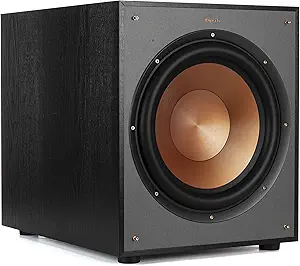
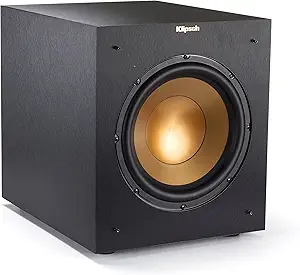
Klipsch produces top-quality subs that have a pure, natural sound. They usually have a well-recognizable look with copper driver and black corps with a wood finish that conveys some retro vibe. Subwoofers from JBL are offered in a wide variety of shapes, colors, sizes, and designs. This company provides modernized subs with powerful sound. In short, the Klipsch vs JBL comparison offers you a choice between classic models with pristine sound and modern models with powerful bass.
Main Features
Klipsch subwoofers are supplemented with digital amps (BASH amp, for example) that offer ample power, increased, true-to-source precision, clean output, and powerful bass. All the subs from this brand have a volume control, variable phase control, and low pass crossover.
The Internal Flare technology, implemented in most Klipsch subs, eliminates the port noise. Klipsch models always have a front-firing driver, allowing for great placement flexibility. They also usually come with a flexible, removable cloth grill and have an MDF cabinet.
JBL subs have a wider array of features. For instance, they usually have a bigger quantity of onboard controls, like input sensitivity, volume, polarity, and crossover frequency. The last one allows activating the XLF Extended Low Frequency setting for a more extensive bass, just like the one you can hear only in nightclubs. Some models also can offer selectable impedance.
Some JBL subwoofers have a slipstream port design with a double-flared shape that contributes to cleaner bass. Floor-standing models usually come with 4 feet that elevate the subwoofer above the floor. Klipsch subs come with flat feet. JBL subs normally use metal (zink, steel, etc.) grills instead of cloth ones.
Subwoofers from JBL are also known for having a heavy-duty enclosure, resistant to humidity, dust, and high temperatures (especially portable models). Klipsch can't offer that. Models from the cheaper range have MDF cabinets as well, but more expensive models come in Duraflex or birch plywood enclosures.
Professional-grade models from JBL have the integrated Image Control Waveguide technology that provides consistent bass response and uniform coverage, being able to transmit the equally powerful bass to a large audience.
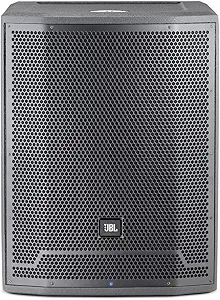
Let's take a closer look at two floor-standing models from both brands as an example of the JBL vs Klipsch features comparison. The Klipsch R-100SW offers you 3 controls (volume, low pass crossover, and phase control) and an all-digital amplifier. The JBL Professional LSR310S has a slip stream port, XLF setting (along with the other controls such as input sensitivity, volume level control, etc.), and a Class-D amplifier.
Obviously, the JBL Professional LSR310S is a winner here as it has more impressive features.

- The patented slip stream port
- Selectable input sensitivity
- Active speaker amplification type
- XLF extended low frequency setting
- Professional balanced inputs and outputs
- 10-inch down-firing high excursion low frequency driver
- 15 x 15.7 x 17.7 inches and 34 pounds
Output Power
Both brands offer truly powerful subwoofers, so they will work great for different audio content. However, Klipsch subwoofers are generally more powerful. JBL issues subs that are rated at around 100W – 200W. Similar Klipsch models are usually 300W – 400W powerful. This way, if you need a more powerful model, you will have to search less when choosing from the Klipsch range.
Just for an instance, the Klipsch R-100SW has 300W of power while the JBL Professional LSR310S is rated at 200W.
Apparently, the Klipsch R-100SW gives you more power for the price.

- Volume low pass crossover and phase control
- Frequency response: 32Hz - 120Hz /- 3dB
- Amplifier power (cont/peak): 150W/300W
- Line level/LFE RCA inputs
- Durable MDF cabinet
- 10-inch front-firing spun-copper IMG woofer
- 16.9 x 12.5 x 14.8 inches and 26 pounds
Signal-to-Noise Ratio
Normally, JBL subwoofers have a better signal-to-noise ratio. For example, the Klipsch Reference R-10SW has a value of 80 dB while the JBL Professional LSR310S has 90 dB.
As you can see, the JBL Professional LSR310S wins in this category, providing a more transparent sound.
- The patented slip stream port
- Selectable input sensitivity
- Active speaker amplification type
- XLF extended low frequency setting
- Professional balanced inputs and outputs
- 10-inch down-firing high excursion low frequency driver
- 15 x 15.7 x 17.7 inches and 34 pounds
Woofer Composition
Klipsch makes subwoofers of spun copper. It contributes to even bass distribution. Such cones are low-mass but durable. Nevertheless, JBL woofers are more rigid. They are made of poly-cellulose with added high-temperature voice coil designed to provide punchy midrange, as well as pristine sound quality and stability.
If we juxtapose the JBL Arena Sub 100P with the polycellulose woofer and the Klipsch R-100SW with spun-copper IMG woofer, the first one will appear to be more durable. Since the JBL Arena Sub 100P isn't afraid of high temperatures, allowing you to listen to bassy music for long hours, it's fair to consider its woofer as a better one.

- Computer-optimized driver positioning
- Four removable metal carpet spikes
- Bass reflex (ported) cabinet design
- Dual rear ports
- 10-Inch high-output polycellulose woofer
- 100-watt RMS digital power amplifier
- 16 x 16 x 14.3 inches and 24 pounds
Connectivity
Almost all Klipsch subwoofers have component connectors (line level/LFE RCA inputs). To add a wireless connection, you will have to buy the Klipsch WA-2 wireless subwoofer kit that consists of a transmitter and a receiver. JBL subs are less complicated in terms of wireless connectivity. Most of them are Bluetooth-enabled. They also usually have XLR and TRS connectors.
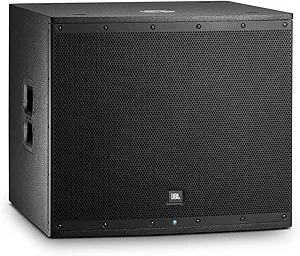
For example, the JBL Professional EON618S supports Bluetooth and has 2 balanced XLR inputs and XLR male output while the Klipsch R-100SW has only 2 line inputs.
It's obvious that the JBL Professional EON618S is a much better choice as it provides more modern connectivity options.

- Bluetooth control for iOS and Android
- Input: balanced combo ¼”/ XLR (x2)
- Output: male XLR (x2)
- Maximum SPL output: 134 dB
- 3 parametric EQs Hi & Lo shelf gain
- 1000W highly efficient class-D amplification
- 18-inch system type self powered subwoofer
Price
JBL subwoofers are generally pricier than Klipsch subwoofers. Even their compact models are more expensive than some floor-standing models from Klipsch.
This way, the Klipsch Reference R-10SW is a much more beneficial model in terms of price than the JBL Professional LSR310S considering the fact that they have similar specs.
- The patented slip stream port
- Selectable input sensitivity
- Active speaker amplification type
- XLF extended low frequency setting
- Professional balanced inputs and outputs
- 10-inch down-firing high excursion low frequency driver
- 15 x 15.7 x 17.7 inches and 34 pounds
Conclusion
Both brands have a very serious approach to subwoofer manufacturing. Klipsch subs give you a more natural sound and are offered for a cheaper price. However, JBL subs meet all the needs of modern users. They give you more settings for sound customization, support Bluetooth, have many high-tech features, etc.
Design/Look
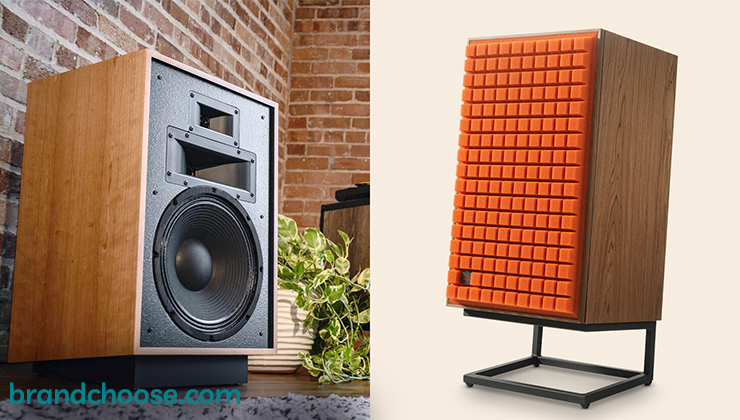
In regards to the appearance and style of sound equipment, JBL and Klipsch subwoofers provide different visual experiences tailored to various user preferences. JBL subwoofers generally exhibit a more contemporary and streamlined appearance, often showcasing a simple design with neat contours and a small size. Their latest models, such as the JBL BassPro SL, are crafted to fit snugly into confined spaces while still delivering robust bass, making them suitable for users who prioritize compact solutions without sacrificing audio quality. Nonetheless, the design approach of this brand may not resonate with individuals who favor a more conventional speaker appearance. Conversely, Klipsch subwoofers typically feature a more vintage and classic design, evoking memories of traditional audio equipment. They typically sport a wooden finish and copper highlights, exemplified in their recent Klipsch R-120SW model, which introduces an element of refinement and elegance. This aesthetic seamlessly integrates into interiors with a traditional or rustic theme. However, their larger size compared to JBL's compact design may pose a drawback for users with limited space. When comparing their designs to those of other brands, both JBL and Klipsch maintain distinctive visual identities, with JBL embracing contemporary design trends and Klipsch embodying a timeless, classic allure.
Affordability
When comparing the price of JBL Subwoofers and Klipsch Subwoofers, it's important to note that both brands offer a range of products that vary in cost depending on the specific model and its features. JBL Subwoofers, known for their high-quality sound and durability, are typically priced in the mid to high range. They incorporate the latest technologies such as wireless connectivity and built-in amplifiers, which can add to the cost. However, the high price is often justified by the product's longevity and superior sound quality. On the other hand, Klipsch Subwoofers are generally priced higher than JBL Subwoofers. Klipsch is a premium brand known for its high fidelity sound systems. Their subwoofers often feature advanced technologies such as digital amplification and sophisticated bass management systems, which contribute to their higher price point. While Klipsch Subwoofers may be more expensive, they are often praised for their exceptional sound quality and powerful performance, which can make the higher cost worthwhile for audio enthusiasts. It's important to note that while the price of both brands can be higher than other brands in the market, they are both renowned for their quality and performance, making them a popular choice for consumers.
Reputation
JBL and Klipsch are both highly reputable brands in the audio equipment industry, particularly known for their subwoofers. JBL subwoofers are recognized for their advanced technologies such as the patented Slipstream port design, which ensures deep and precise bass with minimal distortion. They also offer a wide range of models catering to different user needs, from home audio to professional studio setups. However, some users have reported that JBL subwoofers can lack in durability, which may affect the brand's reputation for long-term reliability. On the other hand, Klipsch subwoofers are known for their high-quality sound performance, backed by their proprietary Tractrix Horn technology for more efficient and detailed output. They also boast a distinctive, vintage-inspired aesthetic that sets them apart from other brands. Klipsch's reputation for durability is also solid, with many users praising their subwoofers' build quality. However, Klipsch products, including their subwoofers, are often priced higher than their competitors, which may be a deterrent for some potential buyers. Nevertheless, both brands are highly respected in the audio industry, each with its own strengths and weaknesses.
Sound Quality
When evaluating sound quality, Klipsch and JBL pursue fundamentally different acoustic philosophies rooted in their respective brand heritage. Klipsch subwoofers—particularly their Reference Premiere line—are engineered with spun-copper Cerametallic woofers and high-efficiency Class-D digital amplifiers, prioritizing aggressive dynamic range, speed, and visceral impact. This design yields exceptionally punchy, tactile transient response that makes explosive home theater sequences feel authoritative and immediate. Klipsch models often feature front-firing drivers paired with aerodynamically tuned front or rear slot ports that maximize acoustic output while minimizing port chuffing. However, this high-output tuning can sometimes lead to a slightly elevated mid-bass peak, which lends substantial energy to action movies but may require fine equalization to prevent a boomy, over-emphasized resonance in less acoustically treated rooms.
Conversely, JBL approaches low-frequency reproduction with a heritage deeply grounded in studio monitoring and pro-audio precision, as exemplified in their Stage, Studio, and HDI series subwoofers. Utilizing ribbed PolyPlas or advanced aluminum-matrix cone architectures, JBL focuses on linear cone excursion, lower total harmonic distortion (THD), and a flatter, more neutral frequency response curve. This engineering results in a subwoofer that excels at musicality, offering smooth transitions across bass guitar riffs, double-bass resonances, and complex orchestral passages with tight rhythmic control. While JBL may not match the raw, chest-thumping instantaneous punch of an equivalent Klipsch unit at similar price points, it typically delivers superior low-end articulation, less colorization, and a more natural roll-off that integrates seamlessly into dedicated critical listening stereo setups as well as balanced multi-channel environments.