Sony vs Klipsch: Overview & Brand Philosophy
When engineering low-frequency audio, few companies bring as distinct approaches to the category as Sony and Klipsch. Sony approaches subwoofers from the perspective of an expansive, multi-category consumer electronics giant. Its design philosophy centers on seamless digital integration, broad ecosystem compatibility, and user-friendly accessibility. Whether deployed within an entry-level home theater-in-a-box or matched to high-end soundbars via proprietary wireless protocols, Sony subwoofers are engineered to deliver balanced, crowd-pleasing bass without requiring extensive acoustic calibration or technical tinkering from the listener.
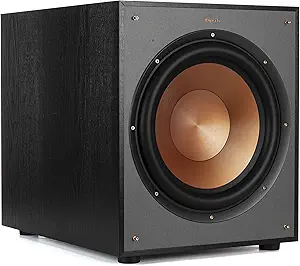
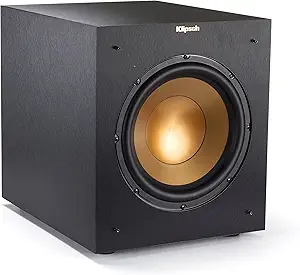
In contrast, Klipsch operates with the pedigree of a heritage audio pioneer, tracing its design lineage back to Paul W. Klipsch’s fundamental laws of acoustics. Klipsch approaches subwoofers with an uncompromising focus on acoustic efficiency, raw dynamic output, and ultra-low distortion. Recognized worldwide by their signature spun-copper drivers, Klipsch subwoofers—spanning from the accessible Reference series up to the cinema-grade Reference Premiere line—are engineered primarily as high-output acoustic tools. Rather than chasing lifestyle minimalism, Klipsch prioritizes physical cabinet volume, high-current amplification, and mechanical optimization to produce visceral, chest-thumping tactile energy.
Ultimately, this comparison highlights a foundational divide in home audio: Sony focuses on plug-and-play convenience, compact engineering, and smart integration, while Klipsch caters directly to dedicated cinephiles and audiophiles who view the subwoofer as a critical, standalone acoustic centerpiece for high-impact home theater and dynamic musical reproduction.
Key Differences & Technological Comparison
The core differences between Sony and Klipsch manifest in driver engineering, amplifier architecture, cabinet tuning, and wireless capability. Klipsch utilizes high-grade driver materials designed to resist mechanical deformation under heavy excursion. Its signature Cerametallic and Spun-Copper Thermoformed Crystalline Polymer (TCP) cones are exceptionally rigid yet remarkably lightweight. This construction minimizes cone breakup and transient distortion, enabling the subwoofer to reproduce rapid musical kick drums and sustained cinematic explosions with identical precision. Sony typically uses standard foamed-mica cellular or reinforced paper cones in its standalone and wireless units, which are cost-effective and articulate for moderate listening levels but tend to introduce compression when pushed to reference volumes.
Amplification design further separates the two brands. Klipsch equips its Reference and Reference Premiere subwoofers with heavy-duty, high-efficiency Class D digital amplifiers delivering substantial continuous RMS power and massive dynamic peak reserves. Furthermore, higher-end Klipsch models feature front-firing ports equipped with proprietary internal flare geometry (Aerofoil or Tractrix port architectures) that minimize aerodynamic air turbulence and port chuffing. Sony generally relies on more modest, thermally contained Class D modules engineered to operate safely within smaller enclosures, occasionally employing passive radiator designs or down-firing slots suited for smaller living spaces.
Connectivity philosophies also diverge sharply. Sony leads in proprietary wireless transmission and ecosystem synergy; models like the SA-SW3 and SA-SW5 automatically pair with Sony soundbars and AV systems, utilizing DSP software tuning matched specifically to companion speakers. Klipsch relies predominantly on traditional analog LFE/line-level RCA and speaker-level inputs for universal integration with standalone AV receivers, though they offer optional low-latency 2.4GHz wireless transmitter kits for their standalone units.
Pros & Cons Comparison
Sony Subwoofers
- Pros:
- Effortless wireless setup and pairing with compatible Sony soundbars and home theater systems.
- Compact, modern industrial designs that integrate discreetly into shared living spaces.
- Well-balanced DSP algorithms that prevent severe distortion and voice masking in everyday TV use.
- Accessible price points across the entry-level standalone and soundbar-expansion categories.
- Cons:
- Limited physical output and acoustic depth, rarely reaching below the 28–30Hz threshold.
- High-end models are often locked into proprietary Sony ecosystems, lacking standard RCA inputs.
- Enclosure build quality features lightweight MDF and thinner bracing compared to high-end rivals.
Klipsch Subwoofers
- Pros:
- Exceptional dynamic output and sound pressure levels (SPL) capable of pressurizing large rooms.
- Extremely low frequency extension, with Reference Premiere models digging deeply into true infrasonic bass (sub-20Hz).
- Universal compatibility with any standard AV receiver, preamplifier, or integrated stereo amp.
- Robust cabinet construction featuring internal bracing, premium scratch-resistant vinyl, and iconic spun-copper drivers.
- Cons:
- Physically massive footprints that can dominate smaller living rooms and multi-purpose spaces.
- Entry-level Reference series units historically experienced plate amplifier reliability issues when driven continuously hot.
- Aggressive, high-impact acoustic character requires precise room placement to avoid boominess.
Performance, Durability & Value Analysis
In terms of pure performance, Klipsch completely outperforms Sony across almost all metrics: peak output, frequency linearity, transient speed, and low-end extension. For dedicated home theater spaces, Klipsch subwoofers (especially models like the RP-1200SW or RP-1400SW) represent standard-bearers in high-output retail audio, moving massive quantities of air without mechanical strain. Sony subwoofers provide clean, respectable low-end fill that significantly bolsters dialogue and dynamic weight over built-in TV speakers or bare soundbars, but they lack the physical driver excursion and motor strength to produce the visceral, couch-shaking infrasonic frequencies critical for modern cinematic sound design.
From a durability and value perspective, both brands offer distinct trade-offs. Klipsch's structural woodwork, thick baffles, and driver surrounds are engineered for decades of mechanical resilience, though users should ensure their subwoofers have adequate ventilation, as high-output plate amps generate heat. Sony subwoofers excel in electrical efficiency and thermal stability, presenting extremely low failure rates in everyday environments. In terms of value, entry-level Sony units provide an inexpensive upgrade for casual TV watchers, but Klipsch delivers vastly higher price-to-performance value for audio enthusiasts who measure worth in decibels, extension, and dynamic authority.
Final Verdict: Which Brand Should You Choose?
The choice between Sony and Klipsch rests on your existing hardware, physical space, and acoustic expectations:
Choose Sony if: You already own a Sony soundbar or modular audio ecosystem (such as the HT-A7000 or BRAVIA Theater series) and demand a seamless, wireless setup without routing long signal cables across the room. Sony is the ideal choice for apartment dwellers, secondary bedrooms, and casual viewers who want clean, enhanced bass for movies and television without the visual clutter or setup complexity of massive standalone audio hardware.
Choose Klipsch if: You are building a dedicated home theater or a high-fidelity stereo listening room powered by a traditional AV receiver. If you demand bone-rattling low-frequency extension that can recreate the subterranean rumbles of action movies or the tight, physical punch of acoustic bass lines, Klipsch is unequivocally the superior acoustic instrument. Despite the larger footprint and manual tuning required, Klipsch offers an uncompromising, theater-grade sonic experience that Sony's lifestyle-oriented subwoofers simply cannot match.
Design/Look
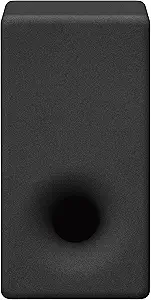
When evaluating the design and aesthetic appeal of subwoofers, Sony and Klipsch represent two fundamentally divergent philosophies: minimalist lifestyle integration versus bold, performance-forward industrial design. Sony designs its subwoofers—particularly its standalone home theater models and wireless units like the SA-SW3 and SA-SW5—with an emphasis on subtle, unobtrusive elegance. Utilizing rounded edges, tactile fabric-wrapped grilles, and low-sheen matte dark finishes, Sony’s enclosures are engineered to blend seamlessly into modern, contemporary living rooms without calling attention to themselves. Their omnidirectional block design philosophy prioritizes a clean, cohesive look with minimal visual clutter, concealing driver mechanics and port vents within tightly tolerances, acoustically transparent chassis that pair effortlessly with modern televisions and minimalist soundbars.
Conversely, Klipsch embraces an assertive, heritage-inspired aesthetic that treats the subwoofer as a visual centerpiece rather than a hidden utility. The brand’s hallmark visual signature is its high-contrast, spun-copper Cerametallic or thermoformed crystalline polymer (TCP) woofers, set against premium, scratch-resistant textured wood-grain vinyl finishes. Klipsch enclosures feature sharper, classic rectangular angles, reinforced internal bracing for structural rigidity, and front-firing or slot-loaded aerodynamic ports that actively contribute to the aggressive, high-performance look. While Klipsch provides low-profile magnetic grilles for users seeking a more subdued appearance, the industrial design is clearly engineered to be displayed with the drivers exposed, appealing directly to audiophiles and dedicated home theater enthusiasts who want their hardware to look as powerful as it sounds.
The practical trade-offs between the two brands ultimately hinge on room decor and the desired visual presence of audio equipment. Sony’s engineering excels in compact footprints, sophisticated textural variation, and functional stealth, making them ideal for multi-use living spaces where traditional, bulky audio gear might disrupt the interior design. However, this restraint can sometimes manifest as a somewhat generic, plastic-heavy look on their entry-level models. Klipsch, on the other hand, delivers exceptional tactile build quality, heavier and denser MDF cabinetry, and instantly recognizable acoustic branding. The trade-off is that Klipsch subwoofers are undeniably dominant, physically larger, and boast an aggressive styling that can easily overpower understated living spaces or clash with modern minimalist decor.
Affordability
When assessing affordability in the subwoofer category, Sony and Klipsch adopt fundamentally divergent approaches that balance initial purchase price against acoustic performance. Sony primarily dominates the budget-to-entry-level market, engineering subwoofers like the SA-CS9 that provide an exceptionally low barrier to entry. Priced well below standard audiophile gear, Sony's offerings rely on cost-effective manufacturing methods, utilizing reinforced cellular mica woofers and modest internal amplifiers typically pushing between 100 to 115 watts. From an economic perspective, Sony excels at delivering plug-and-play bass reinforcement for casual movie watchers and beginners building a basic 5.1 home theater on a strict budget. However, this lower price point involves distinct technical trade-offs, such as limited low-end extension (frequently dropping off steeply below 30Hz), higher total harmonic distortion (THD) at elevated volumes, and lightweight MDF cabinet construction that lacks rigorous internal bracing.
Conversely, Klipsch defines affordability through the lens of long-term value, acoustic efficiency, and higher-tier audio engineering. While entry-level Klipsch units (such as the Reference series R-120SW) command a premium compared to Sony's catalog, Klipsch frequently undercuts specialized, high-end audiophile brands while offering near-reference-grade performance. Klipsch justifies its higher median cost with superior technical components, including proprietary spun-copper Thermoformed Crystalline Polymer (TCP) or Cerametallic drivers, robust all-digital Class-D amplifiers capable of delivering substantial continuous and dynamic power, and front-firing slot ports that minimize port turbulence. This results in significantly deeper bass extension—often reaching reliably into the low 20Hz region—with much tighter transient response. Klipsch subwoofers also maintain high sensitivity, translating every watt of power into substantial sound pressure levels without straining the internal circuitry, which enhances the longevity of the device.
Ultimately, the choice between Sony and Klipsch regarding affordability hinges on whether a consumer prioritizes minimal upfront expenditure or performance-per-dollar value. Sony offers unmatched accessibility for price-conscious consumers who need functional, adequate low-frequency support without investing hundreds of dollars. In contrast, Klipsch represents superior value engineering for dedicated home theater enthusiasts; though the initial cash outlay is higher, Klipsch provides far better build quality, authoritative output, and future-proof acoustics that eliminate the premature need for an upgrade. For sheer rock-bottom pricing, Sony wins easily, but for discerning buyers seeking maximum acoustic return on their investment, Klipsch offers a more compelling, high-yield balance of cost and performance.
Reputation
In the dedicated audio landscape, Klipsch possesses a formidable reputation anchored in audiophile-grade legacy and high-performance, purpose-built acoustic engineering. Long recognized by home theater enthusiasts for their signature copper-spun Cerametallic and TCP (Thermoformed Crystalline Polymer) woofers, Klipsch subwoofers are revered for dynamic range, efficiency, and high sound pressure levels (SPL) with remarkably low distortion. Enthusiasts and industry reviewers consistently laud Klipsch for their specialized low-frequency output, sophisticated Class-D amplifiers, and robust cabinet construction that minimizes internal resonance. While the brand has historically weathered minor criticisms regarding amplifier longevity in earlier entry-level iterations, its overall standing among cinephiles and high-fidelity music listeners remains exceptionally high, representing high-impact, cinematic bass performance.
Conversely, Sony commands immense global brand prestige as a consumer electronics titan, but its subwoofer reputation is framed within the context of mass-market accessibility and integrated ecosystem convenience. Sony is widely respected for cutting-edge sound processing, digital signal management, and user-centric features, particularly evident in their lifestyle-oriented wireless subwoofers designed to augment Bravia soundbars and the 360 Spatial Sound Mapping ecosystem. However, within dedicated home theater circles, Sony's standalone passive and active subwoofers are often viewed as pragmatic rather than dominant. While praised for reliable build quality, effortless setup, and clean tonal balance at accessible price points, Sony does not carry the same raw sonic cachet or deep-frequency authority that dedicated audio houses command.
Ultimately, the reputational trade-off hinges on acoustic performance versus consumer ecosystem integration. Klipsch maintains a technical reputation as the superior, hard-hitting choice for custom home theater installations and discerning listeners who prioritize low-end extension, transient response, and explosive headroom. In contrast, Sony holds the reputation of a dependable, plug-and-play powerhouse best suited for casual consumers seeking modern, seamless compatibility within a unified living room multimedia setup. For uncompromising, tactile bass, the market overwhelmingly favors Klipsch, whereas Sony enjoys the trust of the mainstream consumer valuing hassle-free reliability and ecosystem harmony.
Sound Quality
When evaluating sound quality in the subwoofer category, Klipsch and Sony represent two fundamentally divergent acoustic philosophies: specialized cinematic impact versus mainstream versatility. Klipsch establishes an early lead in pure engineering prowess, leveraging high-output digital hybrid amplifiers and signature spun-copper Cerametallic or TCP (thermoformed crystalline polymer) woofers. This rigid, lightweight cone design minimizes cone breakup and distortion, even when pushed to extreme excursion levels. As a result, Klipsch subwoofers deliver thunderous, visceral low-frequency extension that excels in dedicated home theater environments. Bass notes below 30 Hz are rendered with physical authority, distinct textural clarity, and rapid transient response, ensuring that chaotic action sequences and deep synthesizer sweeps remain articulate rather than devolving into an indistinct rumble.
Sony takes a more restrained, consumer-friendly approach to acoustic tuning, prioritizing cohesive system integration and balanced musicality over raw acoustic output. Many of Sony’s standalone subwoofers utilize proprietary Mica Reinforced Cellular (MRC) fiber woofers paired with Bass Reflex enclosures that emphasize tight, punchy mid-bass—typically concentrated in the 40 Hz to 80 Hz spectrum. While Sony subwoofers often lack the subterranean extension and chest-thumping sound pressure levels (SPL) of comparable Klipsch models, they provide a remarkably warm, linear low-end that seamlessly blends with soundbars and bookshelf speakers for music listening. Modern Sony subs also integrate proprietary DSP technologies like S-Force PRO and 360 Spatial Sound Mapping when paired with ecosystem-compatible hardware, delivering an expansive, localized bass soundstage that compensates for outright dynamic headroom.
Ultimately, the trade-off hinges on acoustic scale and the intended listening environment. Klipsch is the definitive choice for audiophiles and home theater purists seeking dynamic headroom, high-SPL slam, and zero-compression fidelity during high-energy playback, though their potent port tuning can sometimes sound slightly boomy in smaller, untreated rooms without proper calibration. Conversely, Sony offers exceptional control, speed, and plug-and-play balance, making it ideal for casual listeners and mixed-media spaces where non-fatiguing, articulate low-end is favored over room-shaking subterranean power.