In the world of home audio systems, subwoofers are the heartbeats that bring soundscapes to life, adding depth and richness to music and movies alike. Among the leading names in the industry, Polk Audio and JBL stand out for their distinctive approaches to delivering powerful, immersive bass. This article explores and compares the subwoofers from these two audio giants, highlighting their unique features and helping you decide which brand aligns best with your audio preferences.
Key Features Comparison
Design/Look
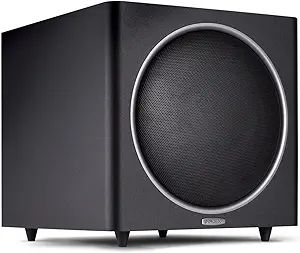
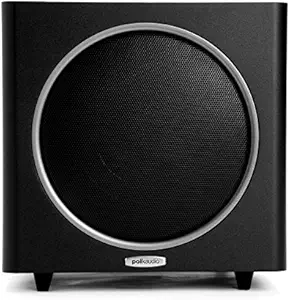
Polk Audio approaches subwoofer design with a clear focus on contemporary home decor, crafting cabinets that blend seamlessly into domestic living spaces. Utilizing non-resonant MDF construction, their enclosures often feature rounded corners, acoustic-grade cloth grilles, and elegant wood-grain vinyl finishes that emulate fine furniture. In models like the Signature Elite and HTS series, Polk excels through functional aesthetic integration; the proprietary Power Port technology, for example, is not only an aerodynamic bass vent that eliminates port turbulence, but it is also engineered as a flared, downward-firing visual pedestal. The technical strength of Polk’s design lies in this understated cohesion, offering clean front baffles and hidden fasteners that appeal to consumers seeking high acoustic performance without an aggressively industrial footprint. However, the trade-off is a relatively safe, conservative look that may lack the bold, statement-making presence desired in dedicated, high-end theater builds.
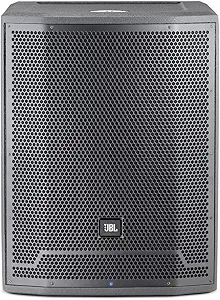
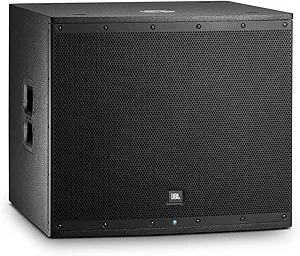
In contrast, JBL leverages its rich heritage in professional concert and studio sound to deliver subwoofers with an assertive, performance-first aesthetic. JBL subwoofers—spanning from the modern Stage series to the premium HDI and Synthesis lines—frequently feature sharp geometric lines, substantial baffle bracing, and distinctive polycellulose or ribbed anodized aluminum cones. Unlike Polk’s tendency to soften visual edges, JBL embraces utilitarian minimalism and high-contrast design, often leaving drivers exposed to showcase heavy-duty surrounds and cast-aluminum frames. Advanced engineering in JBL enclosures prioritizes maximum structural rigidity to withstand intense internal air pressures, using tuned Slipstream rear or bottom ports that emphasize acoustic volume over stealth. While this results in a modern, authoritative look that fits naturally into dedicated media rooms and studio spaces, the industrial styling and bulkier profiles can feel imposing in traditional living rooms where a more discreet aesthetic is preferred.
When evaluating the design and appearance trade-offs, the decision centers on whether a subwoofer should disappear into home decor or stand out as a visual centerpiece of audio engineering. Polk Audio’s furniture-grade finishes, curved silhouettes, and integrated baseplates make it the superior design choice for multi-purpose living areas where visual harmony is paramount. Conversely, JBL’s uncompromising, studio-inspired aesthetic and robust cabinet construction cater to enthusiasts who appreciate pro-audio cues and industrial modernity. Ultimately, Polk succeeds by harmonizing acoustic design with interior styling, whereas JBL triumphs in projecting raw acoustic capability through an aggressive, precision-engineered form factor.
Affordability
When assessing affordability in the subwoofer market, Polk Audio has historically positioned itself as a champion of high-value, entry-to-mid-tier home audio. Polk’s lineup—anchored by the widely popular PSW series and the modernized Monitor XT and HTS lines—consistently offers accessible price points without completely stripping away essential acoustical engineering. Polk achieves aggressive pricing by utilizing engineered MDF enclosures, non-resonant composite drivers, and proprietary Power Port technology, which minimizes port chuffing without the added expense of massive cabinet sizing or exotic materials. The trade-off for this consumer-friendly price point lies primarily in amplification ceilings and ultra-low bass extension; budget Polk subwoofers tend to roll off steeply below 30Hz and rely on relatively modest Class-D or Class-AB amplifiers that prioritize polite, musical efficiency over sheer, chest-thumping home theater impact.
JBL approaches the affordability equation through a more stratified and diverse portfolio, leveraging the immense industrial manufacturing scale of the Harman International (Samsung) conglomerate. While JBL’s high-performance architectural and Synthesis lines can reach thousands of dollars, its entry-level consumer models—such as the Stage and Bar series subwoofers—compete directly with Polk's price brackets. JBL’s cost-efficiency is manifested through the trickle-down implementation of its professional sound reinforcement lineage, often out-specifying Polk in pure amplifier power and driver excursion at comparable price tiers. Features like polycellulose ribbed cones and high-output Class-D amplifiers provide punchier mid-bass and higher peak acoustic output per dollar spent, making them an enticing proposition for action movie enthusiasts working within a modest budget.
Ultimately, the practical trade-offs regarding affordability highlight distinctly different value propositions between the two brands. Polk Audio delivers a more consistent, budget-conscious ecosystem focused on traditional hi-fi warmth and seamless blending with existing front-channel stereo or surround speakers, making it the safer, more value-dense option for budget audiophiles. In contrast, JBL offers raw dynamic performance and commercial-grade impact per dollar, but demands a sharper eye from the consumer: its cheapest offerings can sometimes sacrifice cabinet acoustic damping and aesthetic refinement in favor of raw volume, while its truly superior-performing models quickly escalate past Polk’s comfortable low-to-mid-range sweet spot.
Reputation
In the audio equipment industry, both JBL and Polk Audio have established a strong reputation for their subwoofers. JBL, known for its innovative technologies, has consistently released products that deliver powerful and detailed bass. Their subwoofers are often praised for their durability and high-quality construction, which is a testament to the brand's commitment to quality. The JBL BassPro Hub, for instance, is a recent model that has received positive reviews for its deep, tight bass and space-saving design. However, some users have noted that JBL subwoofers can be on the pricier side, which may be a deterrent for budget-conscious consumers. Polk Audio, on the other hand, has built its reputation on providing excellent value for money. Their subwoofers are known for their rich, full-bodied sound and impressive power handling. The Polk Audio PSW10, a popular model, is often lauded for its ability to deliver deep bass without distortion, even at high volumes. Additionally, Polk Audio subwoofers are generally more affordable than their JBL counterparts, making them a preferred choice for those on a tighter budget. However, some users have reported that Polk Audio subwoofers may lack the durability and longevity that JBL subwoofers offer.
Sound Quality
JBL and Polk Audio are both renowned brands in the audio equipment industry, each with their unique strengths in sound quality. JBL subwoofers are known for their exceptional sound clarity and deep, powerful bass. They utilize the latest technologies such as High-Efficiency Class D Amplifiers and patented Slipstream Port technology to deliver high output and low distortion. However, some users have reported that JBL subwoofers can sometimes overemphasize the bass, which may drown out the mid and high-range frequencies. On the other hand, Polk Audio subwoofers are praised for their balanced and natural sound. They feature Dynamic Balance technology that ensures a rich, clean, full-range sound no matter what you’re listening to. Furthermore, they use a smart sensing technology that adjusts the subwoofer's volume levels in real-time for optimum sound performance. However, some users have noted that while Polk Audio subwoofers offer great sound quality, they may not deliver the same level of raw power and deep bass as JBL subwoofers. Therefore, the choice between JBL and Polk Audio may come down to personal preference, whether you prioritize powerful bass or a balanced, natural sound.
Related Video
Conclusion
Choosing between Polk Audio and JBL subwoofers depends largely on your specific audio needs and preferences. If you value a balanced, precise sound with deep bass that doesn’t overshadow other frequencies, Polk Audio subwoofers like the HTS series are an excellent choice. However, if you’re seeking a subwoofer that delivers powerful, room-filling bass and an energetic audio experience, JBL subwoofers such as the Stage or Studio series are likely to meet your expectations. Both brands offer exceptional quality and performance, ensuring that whichever you choose, you’ll enjoy a rich, immersive bass experience that enhances your overall audio setup.