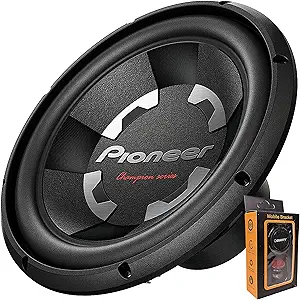
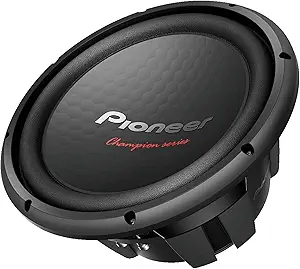
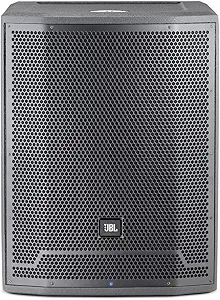
Pioneer vs JBL: Overview & Brand Philosophy
When it comes to low-frequency audio reproduction, few names carry the historical weight of Pioneer and JBL. Both brands have spent decades refining transducer engineering, yet they approach acoustic design and market positioning from distinct engineering philosophies. Pioneer, long revered in both car audio culture and consumer electronics, focuses on precision engineering, space efficiency, and delivering high value per watt. Their subwoofer designs frequently prioritize rigid cone geometries, tightly controlled motor structures, and shallow-mount innovations tailored for listeners seeking punchy, accurate bass without surrendering entire vehicle trunks or living room spaces.
Conversely, JBL approaches bass reproduction through the lens of pro-audio heritage. As a cornerstone of Harman International (a subsidiary of Samsung Electronics), JBL pulls heavily from its concert sound, stadium, and cinema lineage. JBL subwoofers are engineered around high acoustic output, broad dynamic range, and the characteristic "JBL signature sound"—a warm, deep, and authoritative low end that favors high SPL (Sound Pressure Level) and cinematic impact. While Pioneer often targets balanced fidelity and seamless integration, JBL engineers its drivers to be bold, physically commanding, and resilient under sustained heavy loads.
For the consumer, choosing between Pioneer and JBL in the subwoofer category comes down to specific listening priorities: tight, analytical transient response and integration versatility versus room-energizing volume, low-end extension, and dynamic slam. Whether navigating aftermarket automotive audio or domestic home theater installations, understanding the core transducer technologies behind each marque is critical to maximizing your acoustic investment.
Key Differences & Technological Comparison
At the architectural level, Pioneer and JBL employ radically different motor systems, cone materials, and thermal dissipation strategies. Pioneer leans heavily on composite injection-molded cones, most notably their Injection Molded Polypropylene (IMPP) reinforced with carbon or aramid fibers. This yields a remarkably lightweight cone with extreme torsional rigidity, minimizing cone flexing during rapid driver displacement. In contrast, JBL frequently utilizes proprietary materials like PolyPlas or treated cellulose fiber cones with ribbed profiles in home applications, and Plus One™ woofer cone architecture in car audio systems. JBL's Plus One™ technology expands the cone's effective surface area up to 35% larger than competitors of the same nominal size, allowing for increased air displacement and superior low-frequency efficiency.
Thermal management is another core differentiator. Pioneer relies heavily on closed-loop structural efficiency and shallow-basket voice coil cooling, which is why they dominate the shallow-mount (slim profile) category. Their dual-spider designs maintain mechanical linearity even when voice coil travel is restricted by ultra-compact enclosures. JBL, however, employs aggressive, stadium-derived cooling methods, including vented die-cast frames, slipstream port architectures in powered enclosures, and dual opposing voice coil arrays. JBL’s patented Slipstream port design reduces turbulent air noise (port chuffing) at high excursions by optimizing airflow velocity through a flared geometry based on computational fluid dynamics.
Feature distribution also illustrates their respective target audiences. Pioneer focuses extensively on versatile impedance switching (such as dual 2-ohm and 4-ohm voice coils) and robust digital signal processing (DSP) in their powered subwoofers to let users tailor the bass contour to specific cabin shapes or small-to-medium home spaces. JBL emphasizes raw power handling and maximum sensitivity. A typical JBL subwoofer often boasts a higher sensitivity rating (dB @ 1W/1m) than an equivalent Pioneer, meaning JBL drivers extract more volume from the same amplifier wattage, favoring raw acoustic presence over surgical tightness.
Pros & Cons Comparison
Pioneer Subwoofers
- Pro: Industry-Leading Shallow-Mount Options: Pioneer's low-profile drivers provide unmatched mounting flexibility in tight spaces without catastrophic losses in excursion.
- Pro: Fast Transient Response: IMPP composite cones ensure tight, accurate, articulate bass suited for fast-tempo music genres like rock, jazz, and acoustic tracks.
- Pro: High Price-to-Performance Value: Pioneer components consistently offer some of the most competitive entry- and mid-tier pricing on the market.
- Con: Moderate Peak Power Handling: Many Pioneer consumer subwoofers exhibit thermal compression earlier than JBL when pushed to sustained high SPL extremes.
- Con: Ultra-Low Frequency Roll-off: Smaller enclosure designs and stiffer suspensions can limit foundational, sub-30Hz low-end rumble in home theater applications.
JBL Subwoofers
- Pro: High Acoustic Efficiency & Output: Patented Plus One™ cone technology and high driver sensitivity yield tremendous volume and dynamic punch per watt.
- Pro: Deep Low-End Extension: Optimized for cinematic impact, JBL subwoofers excel at reproducing sub-bass frequencies below 35Hz with authority.
- Pro: Pro-Grade Thermal Resilience: Engineered cooling systems allow JBL drivers to handle high RMS wattage continuously without voice coil failure.
- Con: Physical Footprint: JBL's most potent subwoofers require larger box volumes and deeper mounting depths, complicating small-space installations.
- Con: Can Lack Critical Damping: The tuning leans heavily toward warm and booming bass, which can sound slightly loose or boomy compared to clinical, tightly damped drivers.
Performance, Durability & Value Analysis
From an acoustic endurance standpoint, both manufacturers exhibit high manufacturing tolerances, but they fail in different ways under abuse. Pioneer subwoofers are structurally durable; their surrounds (frequently butyl rubber or dual-layer elastic polymers) resist environmental degradation, humidity, and UV exposure exceptionally well. However, because Pioneer tends to utilize smaller voice coils and tighter magnetic gaps to optimize efficiency and transient speed, driving them with distorted signals or excessive clipped power can lead to premature thermal degradation. Conversely, JBL voice coils are heavily insulated and paired with rugged vented pole pieces capable of absorbing substantial thermal stress. A JBL driver can often tolerate sustained mechanical abuse and accidental overdriving longer before suffering irreversible coil burnout.
In terms of pricing and overall value, Pioneer universally dominates the accessible budget-to-midrange market. If an enthusiast has strict volumetric limitations—such as under-seat car applications or small living environments—a Pioneer driver or powered sub unit represents an unbeatable cost-per-cubic-inch proposition. JBL, while maintaining competitive entry tiers, truly justifies its value in mid-to-high SPL applications. The initial cost for a high-output JBL setup may run higher than a basic Pioneer deployment, but JBL's superior sensitivity means buyers can often save on the amplification needed to achieve target decibel levels, effectively balancing system-wide expenditures.
Final Verdict: Which Brand Should You Choose?
Choosing between Pioneer and JBL ultimately hinges on whether your priority is spatial flexibility and precision, or raw displacement and visceral power. If you are retrofitting a modern vehicle with limited cabin space, building a compact secondary sound system, or primarily listen to genres demanding precise, articulate basslines (such as acoustic jazz, metal, or technical electronic music), Pioneer is the superior and most practical option. Their shallow-mount engineering is best-in-class, offering clean, snappy bass that integrates transparently into small systems without forcing packaging compromises.
If your objective is room-shaking cinematic low-end, high-SPL car audio, or you predominantly listen to hip-hop, EDM, and modern pop, JBL is the definitive choice. JBL drivers move more air, dig deeper into foundational sub-bass frequencies, and maintain structural composure at punishing volume levels. For those who prioritize concert-level dynamics, high efficiency, and bass you can physically feel in your chest, JBL delivers the superior acoustic payoff.
Design/Look
From an engineering and aesthetic standpoint, Pioneer and JBL approach subwoofer design with contrasting philosophies that cater to different consumer sensibilities. Pioneer leans heavily into an understated, stealth-inspired industrial design characterized by low-profile enclosures, matte black finishes, and utilitarian durability. In their automotive and home lineups, Pioneer emphasizes spatial efficiency, prominently seen in their shallow-mount and sealed enclosure engineering. The cones—frequently constructed from rugged, injection-molded polypropylene (IMPP) reinforced with mica—feature clean, monolithic faces with minimal branding. This restrained visual language makes Pioneer subwoofers an ideal choice for consumers seeking a seamless, integrated factory look in car audio setups or an unobtrusive presence in a living room theater, where the hardware disappears into the surrounding environment rather than demanding visual attention.
In contrast, JBL champions an aggressive, high-energy aesthetic that mirrors its professional live-sound heritage. JBL subwoofers, particularly within their automotive Club, Stadium, and BassPro series, incorporate bold visual cues such as striking cone geometry, high-gloss accents, and high-visibility branding like their signature orange or silver badges. Technologically, JBL’s enclosures frequently integrate proprietary Slipstream port designs, which not only serve the acoustic purpose of minimizing air turbulence and port noise but also enhance the external, sculpted appearance of the cabinets. For home theater environments, JBL’s designs tend toward modern, furniture-grade appeal with textured woodgrain vinyls and robust front baffles, projecting an aura of acoustic power. While Pioneer focuses on compact pragmatism and flush-mount integration, JBL treats the subwoofer as a visual centerpiece, utilizing flared surrounds, cast aluminum baskets, and dynamic contours to visually communicate raw output and performance capability.
The trade-offs between the two brands ultimately balance stealth utility against expressive performance aesthetics. Pioneer’s minimalist design choices yield practical advantages in tight spaces, offering superior packaging for custom enclosures where depth is restricted, though some enthusiasts may find their plain driver faces somewhat generic. Conversely, JBL’s muscular styling and vented enclosure geometries deliver immense curb appeal and showcase premium mechanical components, but their louder visual identity and often bulkier footprints can prove challenging to integrate discreetly into conservative interior decors or space-constrained vehicle cabins.
Affordability
When assessing affordability in the subwoofer market, Pioneer and JBL deploy distinctly different value-proposition strategies across car and home audio segments. Pioneer operates primarily as a budget-to-midrange value champion, engineering subwoofers—such as their ubiquitous Champion and A-Series lineups—that prioritize maximum output and mechanical resilience per dollar spent. By leveraging cost-effective stamped steel baskets, continuous composite IMPP (Injection Molded Polypropylene) cones, and streamlined motor structures, Pioneer minimizes manufacturing overhead while still delivering respectable low-frequency extension and high power handling (often pushing 300 to 500 watts RMS at extremely competitive price points). For budget-conscious consumers seeking raw SPL (Sound Pressure Level) and reliable, utilitarian bass reproduction without complex DSP integration, Pioneer consistently yields a lower initial cost of entry and an exceptional price-to-wattage ratio.
Conversely, JBL approaches affordability through an engineering-efficiency lens, often yielding superior long-term acoustic value despite slightly higher upfront costs. JBL’s entry-to-mid-tier models, such as the Stage and Club automotive series or the Stage home audio powered subwoofers, integrate proprietary acoustic technologies that justify their moderate price premium. JBL utilizes features like patented Selectable Smart Impedance (SSI) switches—allowing users to switch between 2-ohm and 4-ohm loads without re-wiring—and sophisticated, vented motor assemblies that combat thermal compression more effectively than Pioneer’s entry-level equivalents. Furthermore, JBL relies on high-efficiency, polycellulose or fiberglass cone profiles paired with optimized, high-roll rubber surrounds, delivering tighter transient response, lower Total Harmonic Distortion (THD), and higher sensitivity ratings. This increased sensitivity means JBL subwoofers extract more acoustic energy per watt, effectively reducing the need for consumers to spend extra money on expensive, high-wattage external amplification.
Ultimately, the affordability trade-off between the two brands hinges on whether a buyer prioritizes the lowest initial monetary hurdle or system-wide acoustic efficiency. Pioneer holds the crown for absolute bottom-line affordability, making them the pragmatic choice for consumers wanting maximum bass impact on a strictly constrained budget. However, JBL delivers a more refined feature set and superior acoustic engineering that mitigates downstream costs in amplification and enclosure design. While a Pioneer subwoofer saves capital at the register, JBL's superior thermal design, broader dynamic linearity, and structural longevity offer better overall return on investment for audiophiles who demand performance nuance alongside value.
Reputation
When assessing brand reputation in the subwoofer domain, JBL and Pioneer stand as titans, though their legacies diverge sharply in focus and engineering pedigree. JBL commands a prestigious, studio-grade reputation backed by decades of foundational acoustic research under Harman International and, by extension, Samsung. Historically revered in professional sound reinforcement, cinema installations, and high-end home theaters, JBL’s reputation is anchored in high-output efficiency, legendary motor design, and proprietary transducer technologies like their Slipstream port architecture and patented Selectable Smart Impedance (SSI) switches. Audiophiles and car audio enthusiasts alike respect JBL for delivering muscular, low-distortion bass that adheres closely to the well-documented Harman Target curve, positioning the brand as a gold standard for dynamic linearity and acoustic authenticity.
Conversely, Pioneer’s reputation is deeply rooted in rugged consumer reliability, mainstream automotive dominance, and a heritage of bringing competitive SPL (Sound Pressure Level) performance to budget-conscious enthusiasts. While Pioneer earned elite status in audio history with legendary lines like the TAD (Technical Audio Devices) and the Premier PRS series, its modern identity primarily excels in providing bulletproof, workhorse subwoofers for the mass-market mobile audio space. Pioneer is renowned for material engineering that resists mechanical abuse, popularized by their Champion Series that utilizes rigid, dual-layer fiber-reinforced cones and durable injection-molded designs. However, unlike JBL, Pioneer has significantly less prestige in the modern high-performance home theater subwoofer category, where they are viewed more as an entry-level home-theater-in-a-box provider rather than an acoustic authority.
Ultimately, the reputational trade-off between the two brands boils down to professional acoustic prestige versus pragmatic everyday value. JBL maintains an elite standing for advanced technical research, superior transient response, and seamless translation across pro, home, and high-fidelity automotive platforms, though consumers often pay a premium for that specialized pedigree. Pioneer counters with a hard-earned reputation for cost-effective resilience, easy integration in tight spaces—such as their well-regarded shallow-mount lineups—and virtually indestructible build quality at accessible price points. For consumers prioritizing brand prestige rooted in acoustic science and audiophile acclaim, JBL holds the upper hand; for those prioritizing high-SPL durability, value retention, and bulletproof daily driving, Pioneer’s industry reputation remains fiercely competitive.
Sound Quality
When evaluating the sound quality of subwoofers, Pioneer and JBL represent two distinct engineering philosophies, both rooted in deep audio heritage but tuned for different listener priorities. Pioneer subwoofers, particularly their popular Champion and A-Series lines, lean heavily into mechanical durability and punchy, tight low-frequency response. Utilizing rigid, injection-molded polypropylene (IMPP) composite cones and dual-spider assemblies, Pioneer excels at handling rapid transient bass notes without excessive cone flexing. This design translates to a highly articulate, controlled sound signature that favors kick drums, rock, and fast-tempo genres. However, while Pioneer units deliver robust upper-to-mid bass punch with low distortion at moderate volumes, they frequently roll off in the ultra-low sub-bass registers (below 35 Hz), leaving home theater enthusiasts and deep-bass audiophiles wanting more subterranean rumble.
Conversely, JBL approaches low-end reproduction with an emphasis on sheer efficiency, dynamic headroom, and low-frequency extension, largely influenced by their dominant presence in professional concert audio. Utilizing proprietary technologies such as patented Slipstream port geometry in powered enclosures and PolyPlas or fiberglass-laminated cones, JBL subwoofers minimize air turbulence to prevent port chuffing during high-excursion passages. This allows JBL to reproduce deeper, more cinematic frequencies with effortless presence, making their home and car subwoofers exceptionally well-suited for hip-hop, electronic music, and movie LFE (Low-Frequency Effects) channels. The acoustic trade-off lies in tonal neutrality; JBL’s signature sound intentionally features a slightly warm, resonant low-end swell that, while thrilling for mass-market consumers, can occasionally sound boomier and less surgical than Pioneer’s tighter, more linear acoustic damping.
Ultimately, the practical sound quality trade-off between the two brands hinges on the intended listening environment and genre preferences. Pioneer offers the superior choice for analytical listeners and vehicle audio setups where space is constrained and precise, articulate, and punchy bass lines are paramount. On the other hand, JBL takes the lead for listeners seeking visceral impact, expansive room-filling volume, and authentic deep-bass immersion where musical warmth and cinematic depth take precedence over absolute transient speed.