In the world of high-performance audio equipment, SVS and Klipsch are two brands that have established themselves as leaders, particularly in the realm of subwoofers. Both brands offer a range of subwoofers designed to enhance the listening experience, but they cater to slightly different audiences and preferences. This article delves into a comparative analysis of SVS and Klipsch subwoofers, exploring their design, performance, features, and overall value.
Key Features Comparison
Design/Look
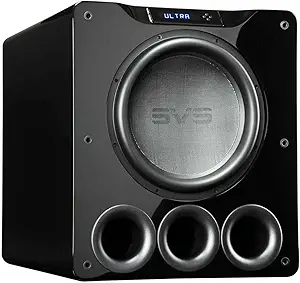
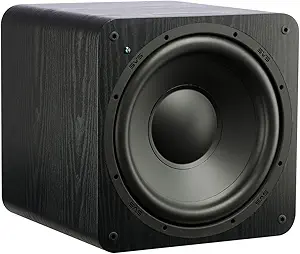
SVS adopts an understated, modern design philosophy that emphasizes seamless integration into contemporary living spaces and high-end dedicated theater rooms. Across their lineup—from the compact 1000 Pro series to the flagship 16-Ultra models—SVS utilizes inert, heavily braced medium-density fiberboard (MDF) cabinets engineered to minimize acoustic resonance rather than draw visual attention. Consumers typically choose between premium black ash wood veneer and furniture-grade piano gloss black or white finishes, paired with non-resonant steel mesh grilles on flagship models or curved fabric grilles on standard units. The aesthetic is sleek, minimalist, and utilitarian, featuring rear-mounted or front-facing acoustic displays that prioritize functionality over decorative flair, allowing the subwoofers to disappear into the room's decor.
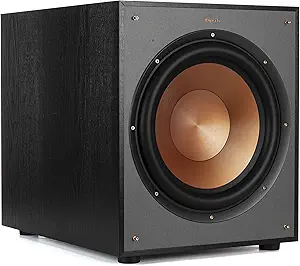
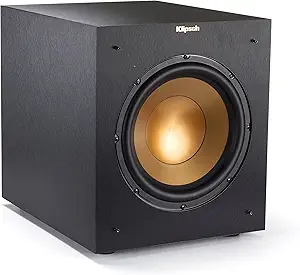
Klipsch, by contrast, embraces an aggressive, heritage-inspired industrial aesthetic that is instantly recognizable and designed to stand out. The visual centerpiece of any Klipsch subwoofer, including the Reference and Reference Premiere series, is the iconic spun-copper Cerametallic or IMG (Injection Molded Graphite) woofer cone, which creates a striking contrast against dark cabinetry. Klipsch finishes their cabinets in durable, scratch-resistant ebony or walnut textured wood-grain vinyl, accented by exposed fasteners, angled rubber feet, and low-profile magnetic grilles that many owners intentionally leave off to showcase the drivers. While SVS targets a discreet, luxury appearance that complements high-end interiors, Klipsch leans into a bold, muscular, and overtly audio-centric design language that appeals to enthusiasts who want their hardware to serve as a prominent visual focal point.
Affordability
When analyzing entry-level pricing and budget accessibility, Klipsch holds a substantial advantage over SVS. Klipsch manufactures at an enormous global scale, allowing them to offer entry-level subwoofers in their standard Reference line well below the starting threshold of the SVS catalog. Furthermore, Klipsch products frequently experience aggressive retail discounting, seasonal sales, and bundle promotions with complete home theater packages, making them exceptionally appealing to budget-conscious buyers seeking decent bass output per dollar spent. For consumers building a home theater system on a strict budget, Klipsch delivers high dynamic output and horn-loaded efficiency at an accessible initial purchase price.
SVS operates higher on the pricing spectrum with virtually no true entry-budget options, but they counter Klipsch's lower price tag with superior long-term value, advanced engineering, and robust software integration. SVS implements a strict Direct-to-Consumer and authorized-dealer pricing model that rarely fluctuates, but every unit includes sophisticated Sledge Class-D amplification, high-excursion custom drivers, and an industry-leading Bluetooth smartphone DSP control app for precision room tuning—features rarely matched by Klipsch at comparable price tiers. While Klipsch provides superior initial affordability and lower barrier to entry, SVS offers higher value retention, an extensive 5-year comprehensive warranty (Customer Bill of Rights), and superior low-frequency extension (sub-20Hz performance) that enthusiasts often find justifies the steeper initial investment.
Reputation
SVS and Klipsch are two highly reputable brands in the audio equipment industry, specifically in the subwoofer category. SVS is known for its high-performance subwoofers that deliver deep, powerful, and tight bass. The brand's latest technology includes the 16-Ultra Series which uses a 16-inch driver with an 8-inch voice coil, and a 1,500 watts continuous, 5,000+ watts peak power Sledge STA-1500D amplifier for unrivaled output levels and extreme low frequency extension. However, some users have reported that SVS subwoofers may lack the musicality and warmth found in other brands. On the other hand, Klipsch subwoofers are renowned for their efficiency, low distortion, and high dynamic range. The brand's latest technology is the SPL series, which uses high-efficiency Class-D amplifiers and a proprietary internal flare technology to deliver a deeper, more dynamic bass. Klipsch's reputation for producing highly efficient speakers extends to their subwoofers, making them a popular choice among audiophiles. However, some users have noted that Klipsch subwoofers can be somewhat overbearing in smaller rooms. Compared to SVS, Klipsch has a longer history in the audio industry and is often seen as the more established brand, but both brands are highly regarded for their quality and performance in the subwoofer category.
Sound Quality
When it comes to sound quality, both SVS and Klipsch subwoofers have their own unique strengths and weaknesses. SVS subwoofers are known for their deep, powerful, and accurate bass response, which is achieved through advanced technologies like their high-output SVS 4000 Series driver and Sledge STA-800D2 amplifier. These components work together to deliver a low-frequency output with stunning precision and musicality. However, some users have noted that SVS subwoofers can sometimes struggle with mid-bass performance, which can lead to a less balanced sound profile overall. On the other hand, Klipsch subwoofers are renowned for their dynamic and detailed sound quality. They feature proprietary technologies like the Tractrix Horn-Loaded LTS Tweeter and the Cerametallic Woofers, which work together to deliver a clean, clear, and room-filling sound. However, while Klipsch subwoofers excel in delivering high-frequency sounds, they can sometimes lack the deep, rumbling bass response that SVS subwoofers are known for. This can lead to a sound profile that is bright and lively, but may lack depth and richness in some music genres. In comparison to other brands, both SVS and Klipsch offer superior sound quality, but the choice between the two often comes down to personal preference and the specific audio needs of the user.
Related Videos
Conclusion
Both SVS and Klipsch subwoofers offer compelling options for enhancing your audio setup, but they cater to different preferences and priorities. SVS subwoofers excel in precision, advanced features, and customization, making them ideal for audiophiles and those with high-performance home theater systems. Klipsch subwoofers, with their powerful, impactful bass and distinctive design, are perfect for users who prioritize dynamic performance and value. Ultimately, the choice between SVS and Klipsch will depend on your specific audio needs, aesthetic preferences, and budget.
Compare current retail pricing, active promotions, and verified stock availability directly from authorized stores: