When it comes to enhancing your audio experience with deep, resonant bass, two brands stand out: Sonos and Klipsch. Each renowned for their distinct approach to sound reproduction, Sonos and Klipsch have carved niches in the competitive audio market. Sonos, a pioneer in wireless multi-room audio, offers sleek, integrated subwoofers that seamlessly blend into modern living spaces. In contrast, Klipsch, with its heritage in high-fidelity sound and horn-loaded technology, delivers powerful subwoofers designed to make your music and movies come alive with dynamic bass. Let's delve into a comparison of these two titans of low-end sound to help you decide which subwoofer might be the perfect fit for your home audio setup.
Key Features Comparison
Design/Look
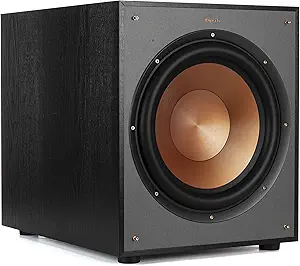
Klipsch and Sonos embody fundamentally divergent design philosophies, catering to distinct interior aesthetics and functional expectations. Klipsch champions a classic, assertive home theater presence defined by industrial edges, exposed copper-spun Cerametallic woofers, and heavy MDF cabinetry typically finished in black textured wood-grain vinyl. Models like the Reference Premiere series are engineered to be seen, projecting an uncompromising, high-performance acoustic identity. While magnetic grilles are provided for those who prefer a stealthier appearance, the tactile presence of a Klipsch cabinet—often featuring prominent front or rear bass-reflex ports—remains unmistakably utilitarian and rooted in traditional audio heritage.
Conversely, Sonos prioritizes modern architectural integration, utilizing sculptural, minimalist forms that blend effortlessly into contemporary living spaces. The flagship Sonos Sub features a distinctive toroidal layout with a central cutout housing dual opposing drivers that acoustically cancel internal vibrations, entirely eliminating the physical rattling associated with conventional enclosures. Clad in high-gloss or matte black and white finishes with softly radiused corners and no visible seams, Sonos subwoofers (including the cylindrical Sub Mini) treat the low-frequency transducer as an artistic interior accent. From a structural standpoint, Sonos sacrifices the raw internal cubic volume favored by Klipsch in exchange for sleek, placement-agnostic designs that can even be slipped horizontally under furniture without sonic penalty.
Affordability
When assessing affordability, Klipsch offers a vastly wider cost spectrum and an intrinsically higher acoustic performance-to-dollar ratio. The brand manufactures entry-level powered subwoofers starting at aggressive, mass-market price points, climbing progressively through mid-tier and reference-grade offerings. Because Klipsch utilizes standard analog and digital inputs (such as LFE and line-level RCA) rather than proprietary silicon, consumers pay almost exclusively for physical acoustic hardware: heavy magnet assemblies, robust voice coils, large-displacement drivers, and high-efficiency class-D internal amplifiers. As a result, budget-conscious buyers can acquire immense sound pressure levels, extended lower frequency thresholds, and substantial enclosure volume from Klipsch at a fraction of the cost required by closed-platform competitors.
Sonos positions its subwoofers squarely in the premium tier, resulting in a significantly higher barrier to entry with virtually no ultra-budget options. Even the entry-level Sub Mini commands a substantial investment, while the standard Sonos Sub sits firmly at the upper pricing echelon of consumer-grade bass modules. This cost is inflated by the brand's proprietary digital ecosystem, which includes integrated Wi-Fi transceivers, onboard DSP processing, and automated room-tuning software (Trueplay). Furthermore, the long-term affordability of Sonos is inherently bound to system lock-in; these subwoofers are functionally inert without compatible Sonos soundbars or amplified streaming hubs. Consequently, while Klipsch provides straightforward acoustic value and cross-brand longevity, Sonos demands a premium for seamless wireless multi-room networking and turnkey ecosystem integration.
Reputation
Sonos and Klipsch are two well-established brands in the audio equipment industry, both with a strong reputation for delivering high-quality sound. Sonos subwoofers are known for their sleek design, wireless connectivity, and deep bass sound. They are compatible with other Sonos speakers, allowing for a multi-room sound system. The latest model, Sonos Sub (Gen 3), is equipped with updated internals including increased memory and processing power. However, they are often criticized for their high price point and lack of physical connection options. On the other hand, Klipsch subwoofers have a reputation for their robust build, powerful performance, and flexibility in terms of placement. Klipsch's latest model, the SPL series, features an all-digital amplifier and a front-firing driver for high efficiency and low distortion. They also offer more options for wired connections, which can be a pro for users who prefer a traditional setup. However, they lack the wireless connectivity options that Sonos provides, and their design might not appeal to users who prefer a more modern aesthetic. Both brands are highly regarded in the audio industry, but the choice between Sonos and Klipsch may come down to individual preferences for design, connectivity, and price.
Sound Quality
When it comes to sound quality, both Sonos and Klipsch subwoofers have unique attributes that set them apart. Sonos subwoofers are known for their deep, rich bass and clear, detailed sound. They utilize the latest technologies such as Trueplay tuning, which adjusts the sound to the acoustics of the room, ensuring optimal performance. However, some users have noted that Sonos subwoofers may lack the punch and power that some music genres require. On the other hand, Klipsch subwoofers are renowned for their powerful, dynamic sound, and deep, resonating bass. They incorporate the latest proprietary technologies like Tractrix Horn-Loaded LTS Tweeter, which enhances accuracy and clarity. Klipsch subwoofers also feature built-in digital amplification, providing impressive volume levels without distortion. However, some users have mentioned that Klipsch subwoofers can sometimes be too boomy or overpowering, potentially overwhelming the balance of the sound. Comparatively, Klipsch subwoofers might offer a more intense bass experience, while Sonos might provide a more balanced and adaptable sound quality.
Related Video
Conclusion
Choosing between Sonos and Klipsch subwoofers ultimately depends on your priorities in audio performance, design preference, and integration needs. If you value wireless convenience, modern aesthetics, and a balanced bass performance that complements your Sonos ecosystem, the Sonos Sub is an excellent choice. On the other hand, if you seek powerful, room-filling bass with a heritage of high-fidelity audio and prefer a more traditional design, Klipsch subwoofers like those from the Reference or SPL Series will satisfy your craving for immersive sound experiences. Both brands excel in their respective approaches, ensuring that whichever you choose, your audio setup will be enriched with deep, resonant bass that elevates your listening and viewing pleasure.