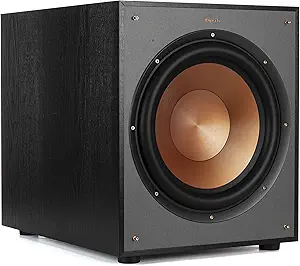
Klipsch vs Bose: Overview & Brand Philosophy
When engineering low-frequency transducers, few brands represent such fundamentally opposed philosophies as Klipsch and Bose. Founded in 1946 by Paul W. Klipsch, the American audio pioneer built his reputation on horn-loaded drivers, high efficiency, and unvarnished acoustic dynamics. In the realm of standalone subwoofers, Klipsch adheres to traditional, high-output home theater engineering: large physical enclosures, massive front- or down-firing drivers, heavy-duty Class-D amplification, and ported architectures designed to pressurize large spaces with visceral, tactile bass.
Bose, established in 1964 by Dr. Amar Bose, approaches acoustic design from a psychoacoustic and lifestyle integration perspective. Rather than building massive speaker boxes that dominate a room, Bose prioritizes sleek industrial design, proprietary digital signal processing (DSP), and advanced port geometries like their proprietary QuietPort technology. In the subwoofer category—often referred to by Bose as "Bass Modules"—the company concentrates on achieving clean, non-localized low end from compact, aesthetically refined units that seamlessly integrate into wider Bose wireless ecosystems and modern decor.
Consequently, the choice between these two brands is not merely a matter of decibel output, but of underlying utility. Klipsch manufactures dedicated, universal subwoofers primarily aimed at AV enthusiasts, custom installers, and home theater purists seeking chest-thumping impact. Bose designs integrated low-frequency modules specifically calibrated to complement their soundbars and home theater packages, catering to consumers who demand minimal visual clutter, effortless setup, and balanced acoustic performance.
Key Differences & Technological Comparison
The architectural differences between Klipsch and Bose subwoofers begin with driver composition and cabinet volume. Klipsch relies heavily on its proprietary Spun-Copper Thermoformed Crystalline Polymer (TCP) or Cerametallic woofers, which offer exceptional stiffness-to-mass ratios. These rigid cones resist breakup and distortion even at high excursion levels. Enclosures in models such as the Klipsch Reference Premiere series (e.g., RP-1400SW) feature internally braced MDF cabinets with substantial volume and front-firing Aerofoil slot ports to maximize laminar airflow and mitigate port turbulence. This results in subwoofers capable of diving below 20Hz, delivering genuine infrasonic low-end vital for modern cinematic sound mixes.
In contrast, Bose utilizes smaller, custom-designed high-excursion transducers housed within ultra-dense, injection-molded or premium glass-topped enclosures, as seen in the Bose Bass Module 700. Bose bypasses brute cabinet displacement through the aggressive application of active equalization and proprietary DSP. Their QuietPort technology incorporates a mathematically curved port tube that virtually eliminates turbulence and distortion before air exits the enclosure. While this produces articulate, exceptionally tight bass between 30Hz and 80Hz, it does not achieve the deep sub-bass extension found in physical-displacement-focused Klipsch units.
Connectivity and system flexibility mark another critical divide. Klipsch subwoofers operate under open, industry-standard protocols. Featuring line-level stereo RCA, dedicated LFE inputs, gain controls, continuously variable low-pass crossovers (typically 40Hz–160Hz), and phase switches, a Klipsch sub can seamlessly interface with any brand's AV receiver or integrated amplifier. Bose Bass Modules, on the other hand, are engineered primarily as proprietary peripherals for Bose soundbars and lifestyle systems. They communicate via proprietary wireless protocols or a 3.5mm tether, leaving parameter tuning entirely to the automated Bose ADAPTiQ calibration system or the Bose Music App, with little-to-no manual crossover adjustment.
Pros & Cons Comparison
Klipsch Subwoofers
- Pro: Exceptional Output & Low-End Extension: Massive cabinet displacement and high-power digital amps allow flagship models to reach subterranean frequencies (down to 16Hz–20Hz) with massive SPL headroom.
- Pro: Universal Compatibility: Standard RCA/LFE inputs and physical dials ensure seamless pairing with any AV receiver, stereo amplifier, or processor on the market.
- Pro: Granular Acoustic Control: Hardware switches for gain, low-pass filter, phase, and auto-power deliver precise manual tuning for specific acoustic environments.
- Con: Substantial Footprint: Enclosures are significantly large, heavy, and visually prominent, making them difficult to conceal in compact or minimalist living spaces.
- Con: Industrial Aesthetics: Exposed copper cones and black woodgrain vinyl can clash with contemporary, design-centric home interiors.
Bose Subwoofers
- Pro: Compact, Elegant Industrial Design: Clean lines, compact footprints, and premium materials (such as tempered glass tops) blend effortlessly into modern living rooms.
- Pro: Distortion-Free Tuning: Proprietary DSP and QuietPort technology deliver tight, accurate mid-bass with virtually zero port noise or driver rattle.
- Pro: Effortless Wireless Integration: Seamless, instantaneous wireless pairing with compatible Bose smart soundbars without the need for routing long signal cables.
- Con: Closed Ecosystem: Engineered almost exclusively for Bose soundbars and systems; lacking standard line-level RCA inputs, making them unusable with standard third-party AV receivers.
- Con: Limited Infrasonic Extension: Physics limits performance below 30Hz, meaning users miss out on the deep, room-shaking tactile bass typical of dedicated home theater subwoofers.
Performance, Durability & Value Analysis
From a purely mechanical standpoint, Klipsch delivers vastly superior dollar-for-decibel acoustic value. In performance metrics such as total sound pressure level (SPL) and low-frequency frequency extension, a mid-tier Klipsch subwoofer easily outperforms high-tier lifestyle options. Klipsch subwoofers deliver the dynamic transients and physical impact required for blockbuster films and complex multi-channel audio tracks. In terms of hardware longevity, Klipsch builds robust cabinets, though historically, some entry-level Reference series models exhibited premature plate amplifier failures. However, modern iterations—particularly the redesigned Reference Premiere line—utilize upgraded power supplies and significantly improved thermal dissipation to ensure long-term stability.
Bose approaches the value proposition from a luxury lifestyle angle. A consumer purchasing a Bose Bass Module is paying for micro-engineering, seamless software integration, and structural refinement rather than sheer displacement. Because Bose keeps tight digital control over the driver excursion via DSP, it is almost impossible for an end-user to overdrive or blow a Bose woofer, resulting in exceptional electronic durability under typical household conditions. However, the value retention is fundamentally tied to the Bose hardware ecosystem; should you upgrade your soundbar to an AV receiver-based component system, a Bose Bass Module cannot be repurposed, presenting an architectural limitation that diminishes its long-term modular value.
Final Verdict: Which Brand Should You Choose?
Your choice between Klipsch and Bose hinges entirely on your existing audio architecture, physical space, and sonic priorities.
Choose Klipsch if: You are building a dedicated home theater, expanding a component-based AV receiver setup, or prioritizing maximum acoustic impact for movies and music. If you have the physical space to accommodate a larger cabinet and desire authentic, room-energizing bass that digs deep into the infrasonic threshold (below 25Hz), Klipsch remains the objectively superior acoustic tool.
Choose Bose if: You already own—or plan to buy—a Bose smart soundbar (such as the Smart Ultra Soundbar or Soundbar 700/900) and demand a sleek, minimalist setup. Bose is the ideal match for living rooms where bulky audio gear is prohibited by design preferences, and where clean, tight, punchy bass for everyday TV, sports, and casual streaming is favored over overwhelming acoustic output.
Design/Look
When evaluating the design and aesthetic engineering of subwoofers, Bose and Klipsch represent two fundamentally opposing philosophies: minimalist, lifestyle-oriented integration versus bold, unapologetic acoustic theater. Bose designs its bass modules—such as the Bass Module 700—with an emphasis on discreet luxury and contemporary interior harmony. Employing premium materials like acoustically transparent molded grilles, smooth matte finishes, and a distinctive, thermally treated tempered glass top, Bose subwoofers are crafted to resemble high-end home decor rather than traditional audio equipment. Their compact, cubic footprint relies on proprietary QuietPort technology and tightly packed force-canceling drivers, allowing the enclosure to remain remarkably small while virtually eliminating structural resonance and mechanical chassis vibration. The trade-off, however, lies in physical versatility and expandability; Bose enclosures are proprietary sealed units designed solely to match specific Bose soundbars, offering zero physical controls, knobs, or universal aesthetic compatibility with traditional third-party Hi-Fi racks.
Conversely, Klipsch embraces an aggressive, industrial aesthetic characterized by high-contrast visual cues that celebrate raw acoustic capability. Most prominent in lines like the Reference and Reference Premiere series, Klipsch subwoofers boast spun-copper Cerametallic or TCP (thermoformed crystalline polymer) woofers offset against brushed or ebony vinyl-wrapped MDF cabinets. The exposed copper driver cone—frequently displayed without the removable low-profile magnetic grille—is an iconic visual signature tailored for dedicated home theaters and traditional audiophile listening spaces. From an engineering standpoint, Klipsch prioritizes acoustic internal volume over sheer compactness, utilizing substantial front- or rear-firing reflex ports and robust internal bracing to withstand high sound pressure levels. While this results in far larger, heavier boxes that demand considerable floor real estate and are difficult to "hide," the utilitarian rear paneling rewards users with universal connectivity, tactile gain/crossover knobs, and phase switches that blend seamlessly into standard AV receiver-driven ecosystems.
Ultimately, the practical trade-off between the two brands centers on whether a consumer views a subwoofer as furniture to blend in or as a visual centerpiece to stand out. Bose succeeds brilliantly for modern living rooms and space-conscious consumers who prioritize clean lines, ultra-low profiles, and invisible integration without sacrificing clean, localized bass. Klipsch, by contrast, caters to the enthusiast who equates physical mass and visible transducer engineering with audio performance, offering an authoritative, classic theater presence that complements expansive component-based setups at the cost of discreet domestic camouflage.
Affordability
When evaluating affordability in the subwoofer category, Klipsch decisively outperforms Bose by offering superior price-to-performance ratios and a much broader pricing spectrum. Klipsch manufactures dedicated subwoofers spanning from entry-level, budget-friendly options under $300 to premium, high-output theater models costing well over $1,000. In contrast, Bose restricts its low-frequency offerings to proprietary add-on modules—such as the Bass Module 500 and 700—which command premium price tags typically starting around $500 and exceeding $800. From an engineering and component standpoint, Klipsch delivers vastly more acoustic hardware per dollar spent. While a mid-tier Klipsch unit provides a large 10- or 12-inch spun-copper Cerametallic driver powered by a robust Class-D digital amplifier capable of deep, ground-shaking extension down to 20Hz, an equivalently priced Bose unit relies on a compact, long-excursion woofer housed in a small acoustic enclosure engineered for form factor rather than raw acoustic displacement.
The practical trade-offs regarding affordability extend directly into system flexibility and long-term value retention. Klipsch subwoofers feature universal connectivity, utilizing standard RCA line-level, LFE, and high-level speaker inputs. This universal compatibility allows users to integrate a Klipsch sub into virtually any AV receiver or stereo amplifier setup, upgrade components piecemeal, or even daisy-chain multiple subwoofers over time without buying into a specific ecosystem. Bose subwoofers, conversely, are architecturally tethered to the brand's proprietary soundbar and home theater ecosystems via custom wireless protocols and specialized 3.5mm connection jacks. This locked ecosystem drastically diminishes overall affordability because a consumer cannot migrate their Bose Bass Module to a traditional component-based AV setup in the future, rendering the investment obsolete if they switch core audio systems.
Ultimately, while Bose justifies its premium pricing through minimalist aesthetic design, whisper-quiet wireless integration, and sophisticated proprietary digital signal processing that prevents distortion in ultra-compact enclosures, it does not represent true consumer affordability. Klipsch wins this category by maximizing sound pressure levels, dynamic range, and cabinet volume per dollar, making high-fidelity low-end reinforcement accessible to budget-conscious buyers while maintaining a modular, upgrade-friendly engineering design that protects the buyer's financial investment long-term.
Reputation
In the realm of low-frequency audio, the reputations of Bose and Klipsch are shaped by vastly different engineering philosophies and target demographics. Klipsch holds a venerable, storied reputation among traditional audiophiles and home theater purists, largely built on decades of horn-loaded loudspeaker heritage and classical acoustic design. In the dedicated subwoofer category, Klipsch is recognized for raw, uncompromising physical impact, high sensitivity, and powerful, ported cabinets featuring their iconic spun-copper Cerametallic drivers. Conversely, Bose has cultivated a mainstream, lifestyle-oriented reputation centered on psychoacoustics, proprietary digital signal processing, and lifestyle integration. While enthusiasts occasionally critique Bose for prioritizing form factor over pure low-end extension, the brand maintains an unrivaled reputation among general consumers for delivering surprisingly robust, punchy bass out of remarkably compact and aesthetically pleasing enclosures.
When evaluating the technical trade-offs that define their respective reputations, the distinction between high-output acoustic scale and smart lifestyle convenience becomes stark. Klipsch subwoofers—most notably the Reference Premiere line—are engineered with high-current digital hybrid amplifiers, heavily braced enclosures, and front-firing slot ports that achieve deep, flat frequency responses often dipping below the 20Hz threshold. This performance-first approach gives Klipsch the edge in technical capability and cinema-grade realism. Bose, on the other hand, builds its subwoofers (such as the Bass Module series) around proprietary QuietPort technology and tightly integrated, closed-loop wireless connectivity. While Bose's engineering eliminates port turbulence and chuffing in smaller footprints, it relies heavily on dynamic EQ and computational limiters to prevent distortion, deliberately sacrificing the lowest octave of sub-bass to safeguard acoustic clarity and maintain compact chassis dimensions.
Ultimately, a consumer's perception of both brands hinges on the intended practical application. Klipsch possesses an authoritative reputation for open-ecosystem compatibility; their active subwoofers feature standard LFE, line-level inputs, and physical phase and crossover dials that seamlessly integrate into any AV receiver setup, making them a universal favorite for custom cinema builds. Bose, by contrast, is renowned for frictionless, turnkey integration exclusively within its own proprietary smart soundbar ecosystem. Choosing between them is a matter of prioritizing Klipsch’s reputation for visceral, room-shaking acoustic authority and component versatility against Bose’s undisputed legacy of unobtrusive elegance, seamless multi-room harmony, and consumer-friendly operation.
Sound Quality
When evaluating sound quality, Bose and Klipsch approach low-frequency reproduction from fundamentally divergent acoustic philosophies. Bose designs its subwoofers, such as the Bass Module 700, primarily as integrated components within proprietary home theater ecosystems. Leveraging proprietary digital signal processing (DSP) and QuietPort technology, Bose emphasizes acoustic clean-up, virtual zero-distortion, and tight, controlled bass from relatively compact enclosures. This results in a refined, articulate low-end that seamlessly blends with soundbars to enhance dialogue clarity and provide musical warmth without overwhelming the room. However, this controlled tuning often comes at the expense of infrasonic extension; Bose units typically roll off aggressively below 30Hz to prevent driver excursion limits, resulting in a bass response that prioritizes polite precision over chest-thumping tactile impact.
Conversely, Klipsch engineers its standalone subwoofers, particularly the Reference Premiere series (such as the RP-1200SW and RP-1600SW), with traditional, high-output acoustic muscle. Utilizing rigid, lightweight Cerametallic or spun-copper thermoformed crystalline polymer (TCP) drivers powered by high-efficiency Class D amplifiers, Klipsch focuses on high sensitivity, low thermal compression, and massive dynamic headroom. The result is an explosive, cinematic sound signature capable of digging well into the sub-20Hz spectrum with visceral physical impact. While older or entry-level Klipsch models sometimes suffered from port turbulence and a boomy mid-bass hump around 50–60Hz, their modern front-firing slot-port designs deliver remarkably low group delay and tight transient response, making them equally adept at handling rapid double-bass drum kicks and cavernous film explosions.
The trade-off in sound quality ultimately hinges on your acoustic environment and sonic priorities. Bose delivers a cohesive, plug-and-play sound profile that avoids harsh room resonances through aggressive DSP limiting, making it ideal for casual listeners in apartments or open-concept living spaces where boomy bass is undesirable. Klipsch, however, provides the superior fidelity for audiophiles and dedicated home theater enthusiasts who crave raw dynamics, true infrasonic depth, and granular manual calibration (such as variable phase, low-pass crossovers, and gain matching). For listeners seeking sheer physical immersion, high dynamic range, and the uncompressed weight of live performances, Klipsch decisively outperforms Bose’s heavily processed, safety-first sound signature.