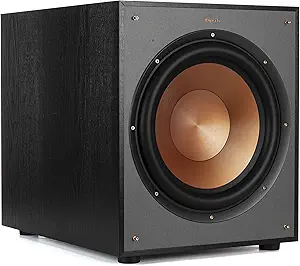
Klipsch vs KICKER: Overview & Brand Philosophy
When navigating the low-frequency audio landscape, few names carry as much weight as Klipsch and KICKER. However, despite both being industry heavyweights renowned for high-output bass, their engineering philosophies and native environments diverge significantly. Founded in 1946 by audio pioneer Paul W. Klipsch, the American brand Klipsch built its legacy on high-efficiency, low-distortion sound tailored primarily for home theater and audiophile listening environments. In the subwoofer sector, Klipsch is recognized for its architectural integration, copper-spun woofers, and deep-tuned enclosures designed to reproduce subsonic cinematic rumbles and articulate musical transients within residential spaces.
Conversely, KICKER was founded in 1973 by Steve Irby in a tiny single-car garage, ultimately sparking the modern mobile audio revolution. Based in Stillwater, Oklahoma, KICKER’s core philosophy revolves around rugged, high-excursion sound reinforcement engineered to overcome ambient road noise, thermal extremes, and severe mechanical vibration. While KICKER has ventured into personal and marine audio, its absolute mastery lies in automotive subwoofers, distinctive square cone technology, and high-SPL (Sound Pressure Level) reproduction. While Klipsch pursues the pristine dynamics of the living room and dedicated cinema, KICKER prioritizes bulletproof durability and visceral, tactile impact on the move.
Key Differences & Technological Comparison
The technological divide between KICKER and Klipsch is rooted in driver architecture, enclosure mechanics, and power topology. Klipsch subwoofers—such as the Reference Premiere series—predominantly use proprietary Cerametallic™ or Spun-Copper TCP (Thermoformed Crystalline Polymer) drivers. These materials provide an exceptional strength-to-weight ratio, minimizing cone flex and distortion during high excursion. Coupled with custom-engineered internal Class-D amplifiers utilizing digital signal processing (DSP), Klipsch optimizes its subs for linearity, low-end extension (frequently reaching down into the 16Hz–24Hz range), and smooth port transitions via front- or rear-firing Aerofoil port geometries.
KICKER’s flagship engineering is characterized by its patented Solo-Baric® square subwoofer technology (L7 series). Geometry dictates that a square cone yields up to 20% more surface area than a comparable round driver, effectively moving more air within a tighter physical footprint. KICKER utilizes injection-molded polypropylene cones with Santoprene® surrounds, reinforced with patented 360-degree back bracing and advanced UniPlate™ heat dissipation systems. Because mobile subwoofers face brutal thermal environments, KICKER prioritizes heavy-gauge voice coils, forced-air cooling, and dual impedance configurations (1-ohm to 4-ohm DVC), leaving amplification choice entirely to the user or relying on compact Class-D car-audio power blocks.
Pros & Cons Comparison
Klipsch Subwoofers
Pros:
- Exceptional low-frequency extension ideal for home theater LFE (Low Frequency Effects).
- High sensitivity and efficient built-in Class D amplification.
- Iconic visual aesthetics featuring brushed black vinyl and spun-copper woofers.
- Plug-and-play home integration with auto-sensing inputs, LFE presets, and optional wireless kits.
Cons:
- Enclosures are often bulky and not optimized for automotive installations.
- Plate amplifiers have historically faced higher failure rates under continuous peak thermal stress than dedicated car audio monoblocks.
- Less customizable impedance matching for modular setups.
KICKER Subwoofers
Pros:
- Class-leading SPL and chest-thumping bass impact per square inch via square-cone tech.
- Extreme thermal resistance and mechanical durability against vibration and moisture.
- High versatility with Dual Voice Coil (DVC) options for complex wiring setups.
- Compact, sealed, or thin-profile enclosure compatibility ideal for small trunk/cabin spaces.
Cons:
- Typically lacks built-in plate amplification, requiring separate mono amplifiers and wiring kits.
- Tuned primarily for punch and SPL rather than ultra-subtle, flat-response audiophile accuracy.
- Not practical or aesthetically designed for standard living room home theater setups.
Performance, Durability & Value Analysis
From an audio performance perspective, the two brands cater to distinct expectations. Klipsch excels in linear accuracy, decay control, and sub-20Hz movie soundtrack reproduction. When watching high-action cinema, a Klipsch Reference Premiere subwoofer renders explosive impacts with nuanced texture rather than a muddy "one-note" hum. In terms of durability, the cabinet finishes are high quality for indoor climate-controlled environments, but the long-term reliability of integrated plate amps can occasionally be a failure point over a decade of continuous heavy use. Klipsch provides solid value in the standalone consumer electronics market, delivering premium home-theater-in-a-box performance without requiring separate outboard amplification.
KICKER, on the other hand, is a masterclass in brute-force engineering and mechanical longevity. Subjected to the baking heat of car trunks in summer and freezing conditions in winter, KICKER’s surrounds, spiders, and voice coils rarely fail even under relentless excursion cycles. Musically, KICKER delivers aggressive, fast-attack bass heavily weighted between 35Hz and 65Hz—the sweet spot for hip-hop, electronic, and modern rock music. The value proposition is exceptionally high for enthusiasts who want maximum decibels per dollar, though total system cost must take into account the necessary outboard amplifier, heavy-gauge wiring kits, and enclosure fabrication.
Final Verdict: Which Brand Should You Choose?
Choosing between KICKER and Klipsch ultimately comes down to your installation environment and acoustic priorities:
- Choose Klipsch if: You are outfitting a living room, media room, or dedicated home theater. Klipsch provides active, self-powered bass solutions that integrate cleanly into AV receiver ecosystems, giving you cinematic depth, high aesthetic appeal, and surgical low-frequency extension without the need for custom fabrication.
- Choose KICKER if: You are upgrading a vehicle, truck, boat, or powersports audio setup. KICKER is the undisputed choice for users demanding high SPL, heavy physical impact, compact enclosure options, and rugged durability capable of surviving high-stress mobile environments.
Design/Look
From an engineering and aesthetic standpoint, Klipsch and KICKER approach subwoofer design from fundamentally divergent philosophies, dictated by their primary listening environments. Klipsch focuses primarily on home theater elegance and acoustic interior integration. Their subwoofers are distinguished by furniture-grade craftsmanship, typically featuring high-density MDF (medium-density fiberboard) cabinets finished with scratch-resistant, textured black wood-grain vinyl. The technical and visual centerpiece of a Klipsch subwoofer is its spun-copper, Cerametallic or injection-molded graphite (IMG) woofer cone. This striking copper-and-black contrast provides an instantly recognizable, premium industrial look that allows the unit to serve as a statement piece in a living room, while the included low-profile woven cloth grilles offer a stealthy, traditional alternative. From structural bracing designed to minimize cabinet resonance to the clean, rear-mounted amplifier plate interfaces, Klipsch engineers their enclosures to seamlessly blend audiophile refinement with domestic interior decor.
Conversely, KICKER designs its subwoofers for maximum structural resilience and aggressive high-impact styling, catering predominantly to car audio and powersports applications. The engineering priority here centers on survival in harsh environments, incorporating thick-wall ABS plastic, reinforced steel or cast-aluminum baskets, and marine-grade materials that resist UV light, temperature extremes, and physical vibration. Visually, KICKER embodies a bold, performance-oriented aesthetic characterized by signature design elements like their patented square L7 series drivers, heavily stitched Santoprene surrounds, and prominent structural back-bracing on the cones. The styling is unapologetically industrial and modern, often integrating custom grilles, angular motor structures, and vibrant multi-colored LED backlighting in their marine and powersports lineups. While Klipsch utilizes hidden, internal engineering to disappear into a room, KICKER employs outward-facing, ruggedized design cues that are engineered to be put on display in custom vehicle trunks, boats, or off-road vehicles.
The practical trade-offs between the two brands ultimately reflect a balance between domestic sophistication and mechanical durability. Klipsch offers a design that elevates home environments, but its wood-grain cabinetry and exposed driver surfaces are relatively delicate, making them unsuitable for high-wear, mobile, or moisture-rich spaces. On the other hand, KICKER provides unmatched mechanical toughness, clever space-saving form factors (such as shallow-mount profiles and down-firing pre-loaded truck enclosures), and advanced weatherproofing, but its overt "street" aesthetic, prominent logos, and bulky exterior hardware would look jarringly out of place in a modern home theater setup. Therefore, buyers seeking an understated, furniture-grade acoustic centerpiece will favor Klipsch's architectural design, while those needing durable, ruggedized, and visually dynamic bass hardware will prefer the utility-first engineering of KICKER.
Affordability
When evaluating affordability between Klipsch and KICKER, consumers must first recognize that these brands engineer for fundamentally different primary environments, which inherently dictates their pricing architectures and perceived value. Klipsch primarily targets home theater and personal audio spaces, positioning its subwoofers—such as the Reference and Reference Premiere series—as high-efficiency acoustic investments. From an engineering perspective, Klipsch products carry a higher upfront cost because they are complete, standalone plug-and-play systems containing proprietary spun-copper Cerametallic woofers, internal Class-D digital amplification, rigid MDF cabinetry, and advanced digital signal processing (DSP). While an entry-level Klipsch subwoofer might cost several hundred dollars, the all-inclusive design means there are no hidden auxiliary costs required to achieve deep, low-distortion in-room bass, making the initial investment predictable and structurally cost-effective for home audio enthusiasts.
Conversely, KICKER dominates the automotive and marine aftermarket audio sectors, where the definition of affordability hinges on a modular, component-based approach. KICKER’s popular lines, such as the CompC, CompR, and compact Hideaway series, often appear significantly cheaper at initial glance, with raw drivers frequently available for under a hundred dollars. The engineering strength of KICKER lies in delivering extreme durability, high thermal power handling, and massive SPL (sound pressure level) per dollar using injection-molded polypropylene cones and ribbed Santoprene surrounds. However, the practical trade-off regarding KICKER’s affordability is the necessity of downstream expenditures. Unless opting for an all-in-one powered compact unit, buyers must factor in the additional costs of custom or pre-fabricated enclosures, dedicated outboard multi-channel or monoblock amplifiers, heavy-gauge wiring kits, and potential professional installation, which can quickly inflate the total project budget.
Ultimately, Klipsch delivers superior turnkey value for living rooms, whereas KICKER offers superior raw-hardware affordability for high-vibration, mobile spaces. Klipsch commands a higher entry price point but offsets it through integrated amplification and sophisticated acoustic tuning designed to eliminate supplementary gear. KICKER allows budget-conscious DIYers to enter the low-frequency realm at a remarkably low baseline cost, granting the flexibility to scale their system's power and amplification over time as finances permit. For pure baseline hardware expenditure, KICKER provides the most accessible entry point to powerful bass, but Klipsch represents a more consolidated, predictable value proposition for consumers who want premium, active low-end reproduction without modular component expenses.
Reputation
Klipsch and KICKER both occupy revered positions in the audio industry, yet their brand reputations are rooted in distinctly different acoustic environments. Klipsch boasts an audiophile heritage dating back to 1946, built on Paul W. Klipsch’s pioneering horn-loaded technology. In the home theater and high-fidelity market, Klipsch subwoofers are celebrated for their micro-dynamic detail, room-pressurizing power, and high-efficiency designs featuring the brand's iconic spun-copper Cerametallic woofers. In contrast, KICKER established its formidable reputation during the late-1970s car-audio boom in Stillwater, Oklahoma, becoming virtually synonymous with ground-pounding, high-SPL mobile bass. KICKER’s brand equity relies heavily on extreme physical durability, high thermal power handling, and mechanical resilience, highlighted by innovations like the square-cone Solo-Baric L7 designed to maximize surface area within spatial constraints.
From an engineering and technical standpoint, the reputation of each manufacturer reflects differing performance priorities. Klipsch is respected by home theater enthusiasts for engineering class-leading Class-D amplification, deeply integrated low-pass crossovers, and acoustic enclosures calibrated for flat frequency extension down into subsonic registers. Audiophiles associate Klipsch with transient speed and low distortion, delivering the nuanced articulation required for orchestral music as seamlessly as the explosive transients of cinema. Conversely, KICKER’s reputation among mobile and marine audio purists is founded on structural over-engineering. Utilizing heavy-gauge stamped steel baskets, Santoprene surrounds, and patented cooling technologies like Forced-Air Cooling, KICKER subwoofers are trusted to withstand brutal thermal and vibrational abuse at continuous maximum output. While Klipsch engineers for domestic architectural acoustics, KICKER engineers to dominate the high-noise-floor environment of an automobile cabin.
The practical trade-offs regarding each brand’s reputation ultimately govern consumer trust based on the intended use case. Klipsch’s reputation suffers occasionally from an aggressive acoustic signature that some critical listeners consider overly bright or "boomy" in poorly calibrated rooms, and their premium Reference Premiere lines demand significant interior real estate and investment. KICKER, despite expanding successfully into personal and lifestyle audio, often battles the niche perception of being strictly an automotive "spl-bass" brand, leading home audiophiles to sometimes unfairly overlook its fidelity in favor of pure volume. Consequently, Klipsch retains an untouchable reputation for reference-level domestic cinema immersion, while KICKER holds an undisputed legacy as the go-to power brand for punishing, high-durability mobile sound pressure.
Sound Quality
When evaluating sound quality, Klipsch and KICKER showcase radically different acoustic engineering philosophies driven by their primary listening environments. Klipsch, a dominant force in the home theater sector, focuses on high-fidelity, linear, and transient-accurate bass reproduction. Utilizing proprietary spun-copper Cerametallic or polymer drivers paired with high-efficiency Class-D digital amplifiers, Klipsch subwoofers (such as the Reference Premiere series) emphasize low-frequency extension and low distortion. Their acoustic profile is characterized by a natural, musical roll-off that seamlessly blends with stereo and surround-sound speakers. By contrast, KICKER engineers its drivers primarily for automotive and marine applications, prioritizing high sound pressure levels (SPL), high motor force, and robust thermal power handling. Signature technologies like their square L7 drivers—which leverage SoloKon cones and ribbed Santoprene surrounds—are specifically built to maximize cone surface area and air displacement, yielding an aggressive, punchy, and physically authoritative sound profile designed to cut through ambient vehicle noise.
The technical trade-offs between these two brands directly affect how bass nuances are perceived across different genres and mediums. Klipsch provides superior tonal accuracy and micro-dynamics; its cabinet designs, featuring tuned internal flare ports or sealed enclosures, yield clean decay times and articulate pitch definition. This makes Klipsch the clear victor for nuanced film scores, acoustic jazz, and deep cinematic rumbles where low distortion down to the 20 Hz threshold is paramount. Conversely, KICKER excels in transient attack and mid-bass impact—typically in the 40 Hz to 80 Hz range—making it a favorite for hip-hop, electronic dance music, and heavy rock. However, KICKER subs can exhibit a comparatively localized and peaky response when used outside a vehicle's cabin gain, sometimes masking subtle bass textures in pursuit of sheer percussive output. Ultimately, audiophiles seeking linear, articulate, and unobtrusive low-end fidelity will find Klipsch acoustically superior, whereas listeners prioritizing tactile, high-energy impact and extreme volume resilience will lean toward KICKER's high-output pedigree.
Compare current retail pricing, active promotions, and verified stock availability directly from authorized stores: