Withings vs Skagen: Overview
Comparing Withings and Skagen helps you determine which brand is best suited for your needs in Smart Watch. Both brands offer strong choices depending on your budget and key feature requirements.
Key Features & Comparison
Evaluate factors such as build quality, warranty, customer satisfaction, and total value before making your final purchase choice between Withings and Skagen.
Battery Life
Withings approaches battery longevity from an architectural standpoint that favors hybrid mechanics over power-hungry displays, yielding some of the most impressive endurance metrics in the wearable space. Models like the Withings ScanWatch series utilize power-efficient embedded PMOLED sub-displays and low-energy Bluetooth protocols paired with specialized real-time operating systems. This engineering restraint allows Withings watches to achieve roughly 30 days of continuous operation on a single charge under standard usage scenarios, extending even further when the device automatically defaults to a time-only reserve mode. Users rarely experience battery anxiety, as the continuous background monitoring of heart rate and respiratory data is computationally throttled to maximize power efficiency without sacrificing baseline health metrics.
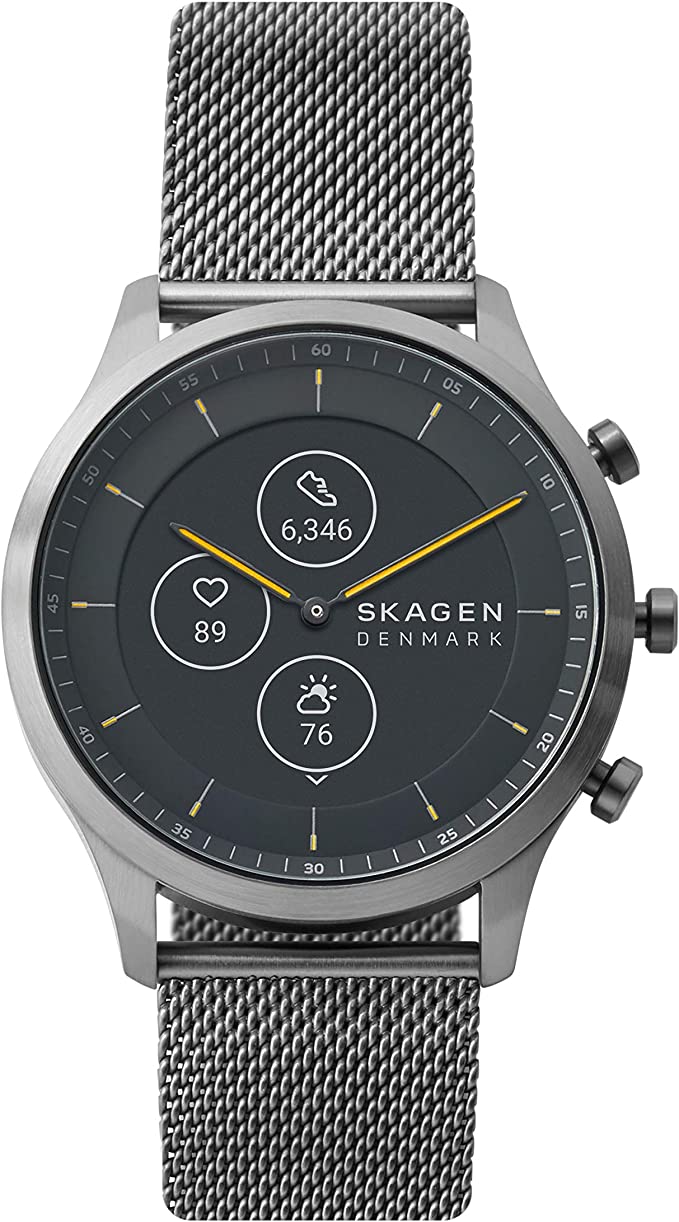
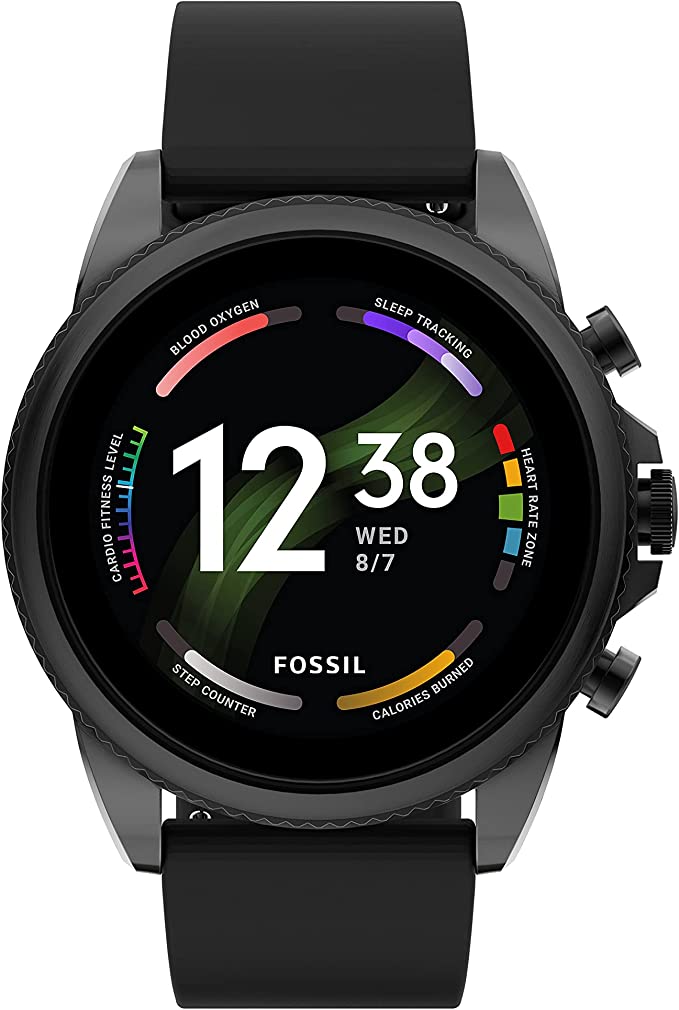
Skagen, under the technological umbrella of the Fossil Group, offers a starkly different battery profile that depends heavily on whether one opts for their full touchscreen Wear OS devices (like the Falster series) or their hybrid smartwatches (such as the Jorn Hybrid HR). The flagship touchscreen Falster models demand near-daily replenishment, typically lasting 24 hours depending on the configuration of the always-on display and GPS usage, though they compensate with rapid-charging architectures that can restore up to 80% capacity in approximately 30 minutes. Conversely, the E-Ink display utilized in Skagen's hybrid Jorn models extends battery life to a competitive two weeks. Nevertheless, when directly pitted against Withings' month-long resilience, Skagen’s portfolio generally demands far more frequent intervention from the user, reflecting a trade-off between richer dynamic interfaces and sustainable off-grid autonomy.
Build Quality & Durability
Withings emphasizes high-end horological craftsmanship, designing devices that closely mirror traditional luxury timepieces while concealing high-grade medical sensors. The brand frequently employs 316L stainless steel for its watch casings, pairing it with high-clarity sapphire crystal glass on higher-tier models such as the ScanWatch 2 and ScanWatch Horizon. This combination provides exceptional resistance to scratches, torsion, and corrosion. Furthermore, Withings typically rates its flagship hybrid cases at 5 ATM or 10 ATM water resistance, making them well-suited for swimming and rigorous outdoor exposure. The attention to mechanical tolerance—from the smooth rotation of the digital navigation crown to the tactile feedback of the physical hands—communicates exceptional industrial rigor.
Skagen adheres strictly to a minimalist Danish design ethos characterized by ultra-slim profiles, lightweight chassis architecture, and clean geometric lines. While visually striking and remarkably comfortable on the wrist due to its low-profile silhouette, Skagen generally relies on mineral crystal glass across its lineups, which is more susceptible to surface scratching over extended periods than the sapphire used by Withings. The casing construction typically uses stamped or cast stainless steel, often complemented by signature stainless steel mesh bands. Skagen devices usually carry a 3 ATM or 5 ATM water resistance rating, making them sufficiently splash-proof and swim-ready in select models, yet they lack the robust, diver-grade durability and rugged structural reinforcement inherent in Withings' premium offerings.
Health & Fitness Tracking
Health monitoring is the primary competitive pillar of the Withings brand, functioning as a certified medical-grade wellness ecosystem rather than a standard fitness tracker. Withings works directly with clinical institutions to validate its sensors, resulting in wearables that feature FDA-cleared and CE-marked electrocardiogram (ECG) functionality, baseline body temperature fluctuation tracking, and advanced photoplethysmography (PPG) sensors capable of detecting signs of atrial fibrillation and nocturnal breathing disturbances. The Withings app aggregates these bio-metrics into actionable, longitudinal health reports tailored for medical consultations. While its pure athletic tracking suite covers essential metrics like VO2 max estimates and connected GPS routing, the analytical depth prioritizes clinical wellness and preventive cardiovascular tracking over hyper-niche athletic performance metrics.
Skagen provides a more casual, lifestyle-oriented health and fitness tracking experience. Its hybrid models (utilizing Fossil's proprietary biosensor arrays) and Wear OS devices cover the fundamental pillars of consumer wellness: continuous heart rate monitoring, step counting, active calorie burn, and standard sleep stage analysis. However, Skagen lacks the medical-grade clearances, clinical ECG capabilities, and multi-channel vascular age diagnostics that define Withings' hardware. On Wear OS-powered Skagen models, users benefit from the flexibility of Google Fit or third-party fitness integrations like Strava, which can offer superior real-time workout tracking interfaces during exercise. Despite this flexibility, Skagen remains an observational activity tracker rather than an advanced diagnostic health instrument, trading clinical precision for casual fitness logging.
Smart Features & Connectivity
Withings takes a strictly minimalist approach to smart connectivity, purposefully designing its hybrid wearables to reduce notification fatigue and screen time. The micro-OLED sub-dial provides essential, scrollable text snippets for incoming calls, calendar events, and app alerts, navigated manually via the physical crown. However, there is no voice assistant integration, on-wrist speaker for phone calls, NFC-based mobile payment framework, or third-party app ecosystem directly on the watch. Connectivity via Bluetooth Low Energy is robust and seamless across both iOS and Android platforms, automatically syncing data to the Withings ecosystem and Apple Health or Google Health Connect, but users must accept that the watch acts purely as a passive conduit for high-priority notifications rather than an interactive digital hub.
Skagen, particularly within its Wear OS-driven Falster collection, delivers a fully realized, modern smartwatch experience that far outpaces Withings in interactive capabilities. Users gain access to the Google Play Store directly from the wrist, enabling standalone navigation via Google Maps, contactless transactions through Google Wallet via integrated NFC, and responsive interactions using Google Assistant or integrated microphones. Even Skagen’s hybrid E-Ink watches offer programmable pushers to control smartphone music playback and trigger remote camera shutters. While this rich connectivity requires more frequent pairing maintenance and consumes substantially more power, Skagen excels at turning the wrist into an active extension of the smartphone, providing a level of digital utility that Withings purposefully avoids.