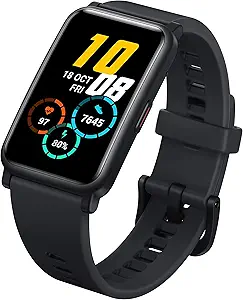
Huawei vs Honor: Overview & Brand Philosophy
The relationship between Huawei and Honor is one of the most intriguing dynamics in the wearable technology market. Once operating as a parent company and its youth-centric subsidiary, the two brands formally parted ways in late 2020 when Huawei sold Honor to a consortium of buyers to circumvent restrictive trade embargoes. Today, both compete fiercely in the global smartwatch arena, yet their shared engineering heritage still subtly informs their design languages, battery management strategies, and proprietary sensor arrays. Despite these historical commonalities, each brand has pivoted toward distinct consumer demographics and technological aspirations.
Huawei approaches the smartwatch category through a premium, health-first lens driven by monumental research and development spending. Operating primarily on its proprietary HarmonyOS platform, Huawei positions its wearables—such as the Watch Ultimate and Watch GT series—as luxury timepieces merged with medical-grade health monitoring devices. The brand focuses heavily on advanced biometrics, including electrocardiograms (ECG), arterial stiffness detection, and diving-grade water resistance. Huawei’s philosophy treats the smartwatch not merely as an extension of a smartphone, but as an autonomous, high-end wellness and lifestyle instrument built with uncompromising material standards.
Honor, by contrast, has embraced an agile, consumer-first philosophy aimed at democratizing advanced wearable technology. Unshackled from the supply chain and software sanctions that limit Huawei's international software integrations, Honor aims to deliver sleek, accessible wearables that integrate seamlessly with broad Android and iOS ecosystems. Their flagship lines, including the Honor Watch GS and MagicWatch series, strike a calculated balance between lifestyle aesthetic and active fitness tracking. Honor prioritizes aggressive value-to-performance ratios, lightweight ergonomic design, and accessible smart utilities, targeting digital-native professionals and fitness enthusiasts who demand modern features without paying luxury-tier premiums.
Key Differences & Technological Comparison
While both brands frequently lead the industry in multi-week battery life—often outlasting Apple and Wear OS competitors by days—a technical dive reveals clear divergence in hardware architecture, operating environments, and health tracking fidelity.
Operating System and App Ecosystem: Huawei utilizes HarmonyOS, an operating system engineered to bridge seamless connectivity across Huawei’s hardware universe. It offers fluid transitions, complex watch faces with real-time rendering, and an expanding, albeit regionally variable, independent app gallery. However, interaction with Western third-party apps remains somewhat constrained due to ongoing geopolitical friction. Honor utilizes a proprietary lightweight OS alongside MagicOS solutions. While Honor's wearables typically offer fewer standalone downloadable third-party apps compared to Huawei's top-tier models, Honor's companion software benefits from broader, uninhibited integration with global Android services, resulting in a setup process that is occasionally more straightforward for users reliant on standard Google services.
Health and Biometric Accuracy: Huawei has invested heavily in proprietary sensor tech, epitomized by its TruSeen heart rate and TruSleep monitoring architectures. Higher-tier Huawei watches feature photoplethysmography (PPG) sensors coupled with ECG capabilities that carry clinical clearances in multiple global jurisdictions. They also boast SpO2 tracking calibrated against medical pulse oximeters, skin temperature sensing, and even micro-physical checkup reports. Honor's tracking suite, powered by its own sensor packages, is accurate and more than sufficient for everyday gym sessions, heart-rate zones, and sleep tracking. However, it lacks the specialized diagnostic depth, advanced running dynamics metrics, and clinical certifications present in Huawei’s flagship portfolio.
Build Quality and Material Engineering: Huawei consistently leads in horological craftsmanship. The company frequently utilizes aerospace-grade titanium, nanocrystal ceramic bezels, and sapphire crystal display lenses. Their diving-centric watches even feature amorphous zirconium-based liquid metal, a material typically reserved for ultra-luxury mechanical watches. Honor favors modern, athletic minimalism. While they employ stainless steel and resilient aluminum alloys on premium releases, they incorporate higher ratios of engineered polymers and fiber-reinforced plastics to keep weight down and margins competitive. Honor watches are robustly built for daily wear, but they lack the dense, heirloom-grade heft found in Huawei’s premier models.
Pros & Cons Comparison
Huawei Smartwatches
- Pro: Industry-leading build materials, including sapphire glass, titanium chassis, and liquid metal cases.
- Pro: Advanced health sensor suite featuring ECG, arterial stiffness analysis, and clinically oriented accuracy.
- Pro: Comprehensive battery optimization, reliably delivering between 7 to 14 days of power even with continuous monitoring.
- Pro: Sophisticated sports metrics, including dual-band five-system GNSS for precise outdoor positional tracking.
- Con: Higher-tier variants carry significantly elevated, luxury-tier price tags.
- Con: Companion app (Huawei Health) requires side-loading or manual APK installation on certain non-Huawei Android phones due to app store exclusions.
Honor Smartwatches
- Pro: Exceptional value proposition, offering flagship-level styling at mid-range price points.
- Pro: Lightweight, ergonomic designs optimized for comfort during workouts and sleep.
- Pro: Straightforward smartphone pairing and ecosystem integration via mainstream app marketplaces.
- Pro: Vibrant AMOLED displays with high brightness thresholds for direct sunlight visibility.
- Con: Limited third-party application support and an ecosystem with fewer standalone smart capabilities.
- Con: Lacks medical-grade diagnostic features like ECG on the majority of its global product portfolio.
- Con: Sports telemetry is tailored more toward casual enthusiasts than elite or endurance athletes.
Performance, Durability & Value Analysis
When assessing long-term hardware reliability, Huawei demonstrates exceptional resilience against environmental degradation. The use of diamond-like carbon coatings, scratch-resistant sapphire crystal, and genuine 100-meter diving ratings (EN13319 compliance on models like the Watch Ultimate) positions Huawei as an undisputed leader for outdoor endurance. Even after years of rough field use, the structural integrity of these watches remains pristine. Honor wearables, while thoroughly water-resistant (typically rated up to 5 ATM) and chemically hardened against impact, rely on conventional mineral glass and composite casings that show cosmetic wear sooner under abrasive outdoor conditions. However, for domestic wear, indoor gym workouts, and general daily living, Honor’s physical resilience is robust and fully dependable.
From an economic standpoint, the value equation depends entirely on what the user defines as essential functionality. Honor is a dominant force in price-to-performance metrics; an Honor smartwatch often delivers 80% of the daily lifestyle utility—such as clear notifications, Bluetooth calling, accurate step tracking, and long battery life—at less than half the retail price of a high-end Huawei timepiece. Huawei, however, justifies its premium tier through material excellence and unmatched diagnostic telemetry. For users who view their smartwatch as both a prestige accessory and an advanced physiological sentinel, Huawei justifies its elevated entry cost through longevity, sensor reliability, and structural endurance.
Final Verdict: Which Brand Should You Choose?
Your choice between Huawei and Honor hinges on your budget, your aesthetic priorities, and how deeply you rely on clinical-grade biometric data.
Choose Huawei if:
- You want an uncompromising, luxury timepiece made from materials like titanium, ceramic, and sapphire.
- You require advanced, highly accurate physiological data such as ECG, arterial health indicators, or professional running metrics.
- You participate in extreme outdoor conditions, long-distance trail running, or deep-water sports that demand robust water resistance and satellite accuracy.
- You are willing to spend more on hardware and do not mind a slightly more involved setup process on non-Huawei Android phones.
Choose Honor if:
- You are searching for a high-value, modern smartwatch that offers sleek aesthetics without a premium price tag.
- Your fitness goals revolve around baseline activity: daily gym routines, sleep quality, stress analysis, and general cardiovascular fitness.
- You prioritize a lightweight, comfortable profile that transitions effortlessly from the desk to sleep tracking.
- You want a friction-free software setup process that pairs seamlessly with standard mobile devices right out of the box.
Battery Life
From an engineering standpoint, both Honor and Huawei represent the gold standard of smartwatch endurance, largely stemming from their shared heritage and utilization of ultra-efficient dual-chipset architectures. Huawei, particularly with its Watch GT and Watch Ultimate series, leverages a proprietary dual-core processor configuration paired with LiteOS or HarmonyOS. This setup intelligently delegates tasks: a high-efficiency low-power chip handles background operations and continuous biometric monitoring, while an application processor fires up strictly for high-demand graphical interfaces and native third-party apps. Honor mirrors this architectural philosophy closely in devices like the Watch GS and Watch series, deploying custom silicon and RTOS-based MagicOS for Wearables. However, Huawei maintains an edge in component optimization, integrating larger physical cell capacities into tighter chassis and pairing them with hyper-optimized low-temperature polycrystalline oxide (LTPO) AMOLED displays. This hardware synergy allows flagship Huawei watches to sustain true 10-to-14-day operational windows under moderate-to-heavy use, while Honor devices typically ceiling out around 10 to 12 days under identical telemetry loads.
The practical trade-offs emerge when stress-testing advanced feature sets against battery drain, notably always-on display (AOD), multi-band GNSS tracking, and continuous sensor arrays. Huawei's power governance algorithm is distinctly more granular; its dynamic refresh rate capabilities reduce display consumption during AOD mode, meaning activating this feature only cuts battery life by roughly 40-50%, whereas Honor smartwatches suffer a slightly more aggressive 50-60% degradation. Similarly, during continuous outdoor endurance workouts requiring dual-frequency GPS, Huawei’s refined power-saving location pings squeeze out up to 25 to 30 continuous hours of tracking, slightly outlasting Honor’s 20 to 24-hour bracket. Both brands feature rapid top-ups, but Huawei consistently implements faster magnetic wireless fast-charging that provides a full day's runtime from a 10-minute charge, compared to Honor's reliance on wired pogo-pin pucks or slower wireless induction in equivalent price tiers.
Ultimately, while both brands decisively outperform traditional platforms like Wear OS and watchOS in overall stamina, Huawei holds the technical and practical advantage for power users. Honor delivers remarkable endurance that covers 90% of user needs at a more competitive price point, effectively democratizing the 14-day battery specification for casual consumers who leave heavy background features off. Conversely, Huawei engineers a superior balance of persistent background utility and battery longevity, ensuring that demanding biometrics—such as 24/7 PPG arrhythmia analysis, arterial stiffness detection, and frequent sleep monitoring—do not prematurely cripple the device's operational cycle, making it the premier choice for endurance-focused athletes and long-distance travelers.
Build Quality & Durability
When evaluating build quality and durability, Huawei operates at the pinnacle of smartwatch engineering, consistently setting industry benchmarks with high-grade, resilient materials. Across its premium lineups, such as the Watch GT Pro and Watch Ultimate series, Huawei routinely employs aerospace-grade titanium alloys, nanocrystal ceramic case backs, and scratch-resistant sapphire crystal glass. Even its mid-tier offerings feature robust polymer composites and stainless steel chassis. The brand's engineering prowess is particularly evident in its specialized outdoor devices, such as the Watch Ultimate, which integrates zirconium-based liquid metal—a material exponentially harder and more corrosion-resistant than traditional steel—enabling a 100-meter (10 ATM) dive rating. This superior structural integrity ensures Huawei smartwatches easily withstand severe impacts, abrasive environments, and deep-water hydrostatic pressure.
Honor, having spun off from Huawei, retains much of its former parent company’s design DNA, offering remarkably solid construction that punches well above its price point. Devices like the Honor Watch GS Pro lean heavily into ruggedization, sporting reinforced polycarbonate bodies, stainless steel bezels, and MIL-STD-810G military-grade certifications designed to endure extreme thermal shocks, moisture, and vibrations. However, in its mainstream consumer portfolios, Honor frequently makes tactical concessions to maintain competitive pricing. This often manifests in the widespread use of hardened mineral glass rather than pure sapphire, as well as lightweight aluminum or plastic frames that lack the dense, ultra-premium feel of Huawei's titanium and ceramic constructions. Honor devices are undoubtedly durable enough for vigorous daily fitness tracking, offering standard 5 ATM water resistance, but they exhibit a higher vulnerability to micro-abrasions over prolonged use.
The practical trade-off between the two brands centers on luxury resilience versus cost-effective durability. Huawei delivers uncompromised, executive-tier structural engineering that resists years of aggressive wear-and-tear, making it the definitive choice for extreme athletes, divers, and consumers prioritizing heirloom-level material longevity. Honor, by contrast, targets the value-driven pragmatist; it successfully matches Huawei's baseline ingress protection and core impact resistance for everyday athletic activities without forcing consumers to pay the steep premium associated with exotic metallurgical fabrication.
Health & Fitness Tracking
When evaluating health and fitness tracking, Huawei represents the engineering benchmark that Honor was originally built upon, but the two brands have diverged significantly in technical depth and sensor sophistication. Huawei equips its smartwatches with proprietary, medical-grade sensor architecture—most notably the TruSeen sensor suite and the multi-channel optical TruSense system seen in its latest flagships. This hardware integration allows Huawei to offer advanced, regulatory-approved capabilities such as arterial stiffness detection, medical-grade Electrocardiogram (ECG) analysis, and even non-invasive blood pressure monitoring via the micro-pump technology in the Watch D series. In contrast, Honor utilizes its own advanced algorithms, typically leveraging multi-channel Photoplethysmography (PPG) sensors that excel at continuous heart rate, SpO2, and sleep tracking. However, Honor deliberately positions its engineering toward mainstream consumers, omitting niche diagnostic tools like ECG or blood pressure monitoring in favor of responsive, highly accurate lifestyle biometrics that consume less battery power.
On the software and data analytics front, the user experience differs between holistic health management and accessible fitness gamification. Huawei Health serves as a near-clinical ecosystem, featuring sleep analysis powered by TruSleep algorithms that accurately cross-reference respiratory rate with heart-rate variability (HRV) to detect conditions like sleep apnea. Its fitness tracking is intensely metrics-driven, appealing to endurance athletes through the proprietary Running Ability Index (RAI), targeted recovery calculations, and precise dual-band, five-system GNSS tracking. Honor relies on the Honor Health platform, which is noticeably cleaner, snappier, and less intimidating for the everyday user. Honor effectively translates raw biological data into digestible, actionable insights—such as simplified stress indices, high-level VO2 Max approximations, and intuitive calorie deficit tracking. While Honor’s satellite positioning is robust for recreational outdoor activities, it exhibits slightly more signal jitter in dense urban environments compared to Huawei’s superior satellite antenna design.
Ultimately, the trade-offs between the two ecosystems hinge on the user's specific health monitoring needs versus operational practicality. Huawei is the undisputed winner for performance athletes and health-conscious consumers who prioritize clinical-grade precision, advanced diagnostics, and deep physiological metrics, though this comes at a premium price point and with the minor inconvenience of having to sideload or use Huawei's AppGallery on non-Huawei Android phones. Honor, on the other hand, delivers an exceptional value proposition by delivering roughly 85% of Huawei's core tracking accuracy at a more competitive price point. For consumers seeking dependable day-to-day wellness monitoring, excellent sleep summaries, and frictionless integration via the Google Play Store, Honor represents a practical, high-value alternative that avoids the complexities of Huawei's specialized ecosystem.
Smart Features & Connectivity
From an engineering and architectural standpoint, Huawei and Honor share a deeply entwined heritage, but recent divergence has positioned Huawei as the more technically sophisticated, feature-rich platform. Operating on HarmonyOS, Huawei’s smartwatches—particularly the Watch 4 and Watch GT series—excel in localized computational capabilities and expansive connectivity. Huawei integrates native eSIM support with cellular independence on its flagship lines, alongside high-fidelity Bluetooth 5.2/5.3 and dual-band multi-system GNSS. The brand's ecosystem connectivity is seamlessly tied together via the Huawei Health app and the AppGallery, allowing users to download a growing catalog of standalone third-party applications, utilize NFC for transit and contactless payments, and trigger intelligent digital assistant tasks (via Celia) directly from the wrist, even when untethered from a smartphone.
Honor, running on its proprietary MagicOS for wearables (often closely resembling light versions of RTOS), prioritizes operational efficiency and battery preservation over complex, tether-free smart functionality. While recent models like the Honor Watch GS series boast robust Bluetooth call handling, crisp voice transmission via hardware-accelerated mic arrays, and high-accuracy GPS arrays, Honor substantially lags behind Huawei in cellular independence and third-party app expansion. MagicOS relies heavily on companion tethering to the smartphone for notification routing, weather updates, and music streaming, often offering actionable interaction only on paired Android devices while leaving iOS users with read-only alerts. Honor does incorporate functional NFC in certain regional variants, but its ecosystem integrations remain predominantly focused on core metrics rather than complex, wrist-based app workflows.
The practical trade-offs between the two brands come down to true mini-smartphone independence versus optimized companion functionality. Huawei delivers a superior, premium smart ecosystem with granular notification management (including preset and voice-to-text replies), independent network access via eSIM, and rich IoT controls that justify a higher price point and occasional battery penalties. Honor, by contrast, targets the pragmatic consumer: its connectivity suite is stable, fast-pairing, and reliable for daily Bluetooth calling and basic alert delivery, deliberately cutting out power-hungry standalone cellular features and app stores to achieve week-long battery cycles. Ultimately, Huawei is the stronger choice for power users demanding sophisticated, uncoupled wearable computing, while Honor provides a streamlined, dependable extension of your smartphone's notification shade.