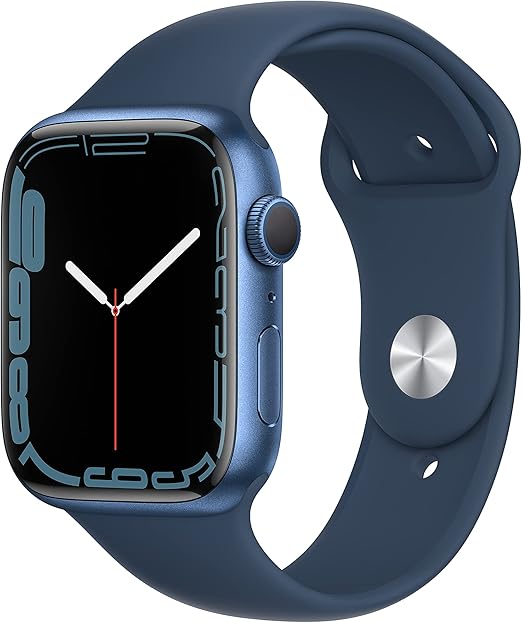
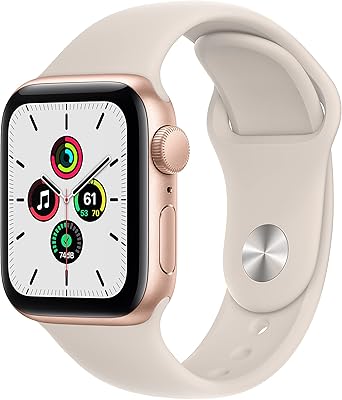
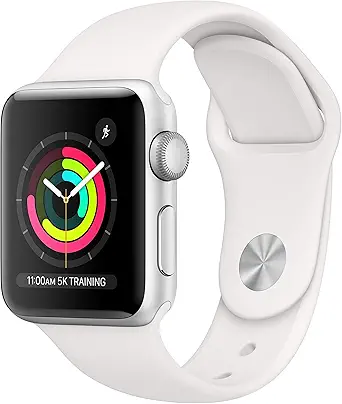
Samsung vs Apple: Overview
Comparing Samsung and Apple helps you determine which brand is best suited for your needs in Smart Watch. Both brands offer strong choices depending on your budget and key feature requirements.
Key Features & Comparison
Evaluate factors such as build quality, warranty, customer satisfaction, and total value before making your final purchase choice between Samsung and Apple.
Battery Life
Battery longevity remains one of the defining operational differentiators between Samsung and Apple wearables, shaped largely by their respective chip architectures and power management philosophies. Samsung generally holds an advantage in baseline endurance across its primary lineup. Standard Galaxy Watch models powered by Exynos processors typically yield 30 to 40 hours of continuous use with sleep tracking and heart rate monitoring active, while specialized variants like the Galaxy Watch Ultra and Watch5 Pro push operational time well into the 60 to 80-hour threshold via their 590mAh battery cells. Samsung achieves this through aggressive background process throttling and dynamic screen refresh rates, enabling users to comfortably track multiple workouts and two nights of sleep without an immediate recharge.
Apple, conversely, prioritizes fluid performance, constant sensor sampling, and persistent micro-animations, which historically limits standard models such as the Apple Watch Series 9 and Series 10 to a strict 18-hour rating, realistically stretching to 24-30 hours under moderate use. To bridge the extreme endurance gap, Apple engineered the Apple Watch Ultra, which delivers a reliable 36 to 72 hours of uptime through an expanded battery and specialized Low Power Modes that preserve GPS and heart rate capture. While Apple offsets its shorter runtimes on mainline watches with fast-charging pucks that replenish 0 to 80 percent in roughly 45 minutes, Samsung maintains the upper hand for casual weekend trips and continuous sleep tracking without the anxiety of daily plug-in rituals.
Build Quality & Durability
Both manufacturers utilize top-tier metallurgical and material engineering, yet they target distinct structural aesthetics and ruggedness profiles. Samsung emphasizes circular, traditional horological designs utilizing either Armor Aluminum in base models or Grade 4 Titanium and sapphire crystal in its rugged iterations like the Galaxy Watch Ultra. Samsung’s construction meets MIL-STD-810H military specifications alongside IP68 and 10 ATM water resistance ratings, ensuring strong defense against shock, extreme temperatures, and particulate ingress. The raised physical or touch-capacitive bezels on Galaxy wearables also provide an inherent mechanical barrier that shields the sapphire glass face from direct perimeter impacts.
Apple approaches build quality with an iconic squircle form factor, leveraging recycled aluminum, stainless steel, or aerospace-grade titanium paired with Ion-X glass or polished sapphire crystal depending on the tier. The fit and finish of Apple devices set an industry benchmark for precision tolerance, characterized by smooth transitions between chassis and display glass, custom haptic linear actuators (Taptic Engine), and a digital crown that offers unparalleled mechanical feedback. For demanding environments, the Apple Watch Ultra matches Samsung with a raised titanium bezel, MIL-STD-810H compliance, and 100-meter water resistance, while further certifying for recreational scuba diving down to 40 meters (EN13319). While Samsung offers higher native impact resistance on budget-friendly aluminum models, Apple’s high-end titanium and sapphire assemblies deliver slightly superior machining refinement.
Health & Fitness Tracking
In the biomedical domain, both brands deliver clinical-grade biometrics, but their diagnostic capabilities diverge based on proprietary sensor configurations and regulatory approvals. Samsung deploys its proprietary 3-in-1 BioActive Sensor, combining optical heart rate, electrical heart signal (ECG), and bioelectrical impedance analysis (BIA). This enables Samsung watches to measure skeletal muscle, body fat percentage, and basal metabolic rate directly from the wrist, alongside FDA-cleared sleep apnea detection and passive blood pressure estimation (in supported regions with manual cuff calibration). However, Samsung’s reliance on algorithmic extrapolation occasionally produces variance during high-intensity interval training, where rapid heart rate spikes can lag behind dedicated chest straps.
Apple leads the wearable sector in sheer physiological tracking accuracy, sensor consistency, and medical research integration. Equipped with high-performance optical sensors, an electrical cardiac sensor, and dual-temperature sensors for reproductive cycle retrospective tracking, the Apple Watch provides exceptionally reliable heart rate acquisition even through erratic motion and high-cadence athletic exertion. Apple’s health ecosystem excels in actionable data presentation, featuring robust VO2 max estimation, Cardio Recovery metrics, and advanced running dynamics including ground contact time, stride length, and vertical oscillation. While Apple omits body composition analysis to avoid consumer-facing margin-of-error issues, its clinical data validation, arrhythmia detection fidelity, and seamless integration with healthcare provider records give it an edge in medical reliability.
Smart Features & Connectivity
The smart capabilities of both platforms are intrinsically tied to their parent operating systems, creating walled-garden trade-offs for users. Samsung operates on Wear OS Powered by Samsung, providing a mature ecosystem enriched by the Google Play Store, Google Assistant, Google Maps, and Samsung Pay/Wallet. Its multi-tasking tiles and customizable watch faces offer high operational flexibility. Galaxy watches allow users to dictate, type on a full QWERTY keyboard, or scribble replies to notifications seamlessly. However, Samsung reserves optimal performance and specific health features (such as ECG and sleep apnea alerts) strictly for users paired with Samsung Galaxy smartphones, diminishing their appeal to non-Samsung Android users and entirely excluding iOS compatibility.
Apple Watch runs watchOS, which remains the most polished and capable smartwatch operating system in existence, featuring frictionless integration with the iOS ecosystem. The inclusion of the S-series SIP with dedicated neural engines enables features like on-device Siri processing and the intuitive 'Double Tap' gesture control, which uses machine learning to detect micro-movements of blood flow and tendon shifts in the index finger and thumb. Cellular connectivity on Apple devices provides flawless call quality, independent music streaming via Apple Music, and comprehensive Apple Wallet transactions. The crucial trade-off is absolute platform exclusivity: an Apple Watch cannot be paired or configured with an Android device, making its peerless micro-app ecosystem and communication suite accessible exclusively to iPhone owners.
Compare current retail pricing, active promotions, and verified stock availability directly from authorized stores: