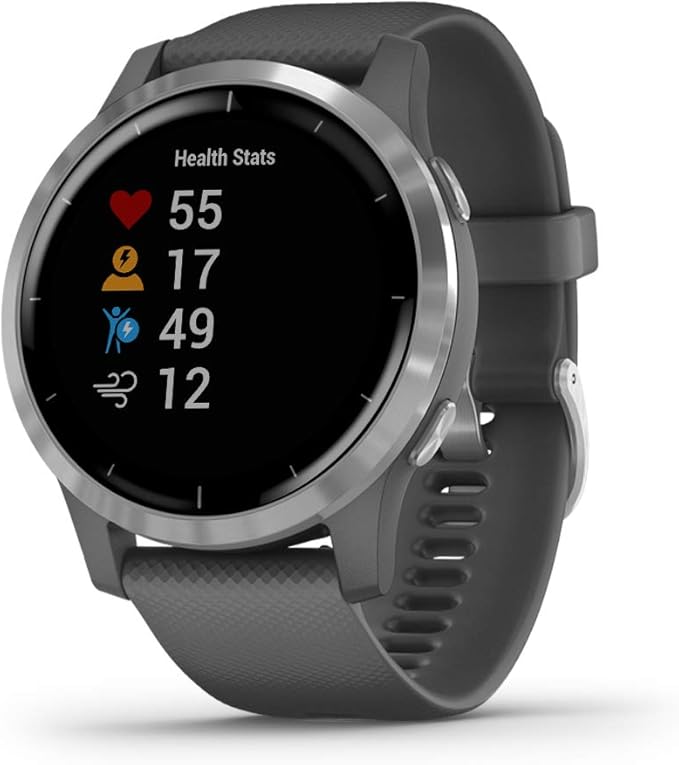
Garmin vs TAG Heuer: Overview
Comparing Garmin and TAG Heuer helps you determine which brand is best suited for your needs in Smart Watch. Both brands offer strong choices depending on your budget and key feature requirements.
Key Features & Comparison
Evaluate factors such as build quality, warranty, customer satisfaction, and total value before making your final purchase choice between Garmin and TAG Heuer.
Battery Life
When examining energy storage and operational longevity, Garmin operates in an entirely different technical paradigm compared to TAG Heuer. Garmin models, such as the Fenix and Epix series, are purpose-built for extended outdoor excursions and athletic endeavors, offering battery performance measured in weeks rather than hours. Through customized operating systems, highly efficient transflective memory-in-pixel (MIP) or optimized AMOLED displays, and integrated solar harvesting technology (Power Sapphire), Garmin watches regularly achieve anywhere from 6 to 30 days of standard usage, with multi-day endurance under continuous GPS tracking. This relentless focus on power management ensures users can engage in ultramarathons or multi-day expeditions without an external charger.
Conversely, TAG Heuer's Connected series relies on Google's Wear OS architecture paired with high-performance processors and vibrant, energy-demanding OLED touchscreens. As a consequence of this power-hungry computing environment, TAG Heuer delivers a standard full-day battery life, typically yielding around 16 to 24 hours per charge under moderate use, which includes basic fitness monitoring and sporadic smart notifications. Engaging active GPS sports tracking or continuously running the high-refresh-rate watch face diminishes capacity substantially within a few hours. The practical trade-off is clear: Garmin prioritizes utility and sustained autonomy for off-grid endurance, while TAG Heuer accepts daily dock recharging to maintain luxury smartwatch processing performance.
Build Quality & Durability
In the domain of structural integrity and aesthetics, TAG Heuer brings over a century of Swiss horological heritage to the connected wearable segment. TAG Heuer Connected watches feature hand-finished cases sculpted from premium materials such as grade 2 and grade 5 titanium, mirror-polished or fine-brushed stainless steel, and high-tech scratch-resistant ceramic bezels. The attention to detail is evident in the faceted lugs, mechanical tactile pushers, sapphire crystal lenses, and interchangeable luxury leather, rubber, and metal bracelets. These timepieces are engineered to seamlessly replicate the prestige, ergonomic balance, and visual finish of an iconic Carrera or Aquaracer mechanical chronograph, making them unrivaled in formal and executive environments.
Garmin approaches durability through an engineering lens dominated by rugged field utility and tactical resilience rather than horological jewelry. While premium Garmin collections like the MARQ series utilize grade 5 titanium, domed sapphire crystals, and ceramic bezel inlays, the vast majority of Garmin's catalog employs fiber-reinforced polymer cases designed to absorb high-impact shocks, resist extreme thermal variations, and withstand harsh outdoor elements. Garmin devices routinely achieve 10 ATM or higher water resistance ratings, allowing for recreational diving and high-velocity watersports, whereas TAG Heuer Connected watches typically max out at a conservative 5 ATM rating. While TAG Heuer excels in bespoke luxury craftsmanship, Garmin stands superior in absolute structural survivability against punishing environments.
Health & Fitness Tracking
Garmin stands as an industry benchmark for biometric capture, sports telemetry, and physiological data analysis. Equipped with its proprietary Elevate heart rate sensor, multi-band GNSS positioning, and deep integration with Firstbeat Analytics, Garmin watches deliver comprehensive health insights including heart rate variability (HRV) status, Body Battery energy metrics, VO2 max estimation, sleep architecture analysis, and specialized training load evaluations. The software ecosystem caters specifically to performance athletes by offering targeted recovery times, real-time stamina metrics, and sport-specific modes covering everything from backcountry skiing to triathlon transitions, backed by immense cross-platform sensor compatibility.
TAG Heuer provides a competent, albeit streamlined, health and fitness framework designed for the general wellness enthusiast rather than the data-driven endurance athlete. Operating its proprietary TAG Heuer Sports app alongside Wear OS integrations, the Connected series tracks fundamental biometrics like heart rate, daily step counts, calorie burn, and general pacing. Its most specialized sports tracking capability is found in the dedicated TAG Heuer Golf edition, which offers sophisticated 3D course mapping, shot measurement, and club recommendation algorithms. However, TAG Heuer lacks advanced systemic recovery analytics, continuous stress profiling, and the granular training metrics natively embedded in Garmin's firmware, serving lifestyle fitness rather than athletic optimization.
Smart Features & Connectivity
TAG Heuer gains a decisive advantage in everyday smart functionality through its integration of Google's Wear OS platform. This operating environment grants users access to the extensive Google Play Store ecosystem, permitting the direct installation of third-party productivity tools, media streaming services, and lifestyle utilities. Wear OS delivers rich, actionable notifications with full keyboard replies, comprehensive Google Assistant voice controls, and frictionless contactless payments via Google Wallet. Furthermore, TAG Heuer bridges this modern connectivity with haute horlogerie via meticulously rendered, highly customizable digital watch faces that authentically emulate the dial layouts, complications, and mechanical animations of legendary TAG Heuer mechanical movements.
Garmin treats smart features as secondary, supportive tools to its central mission of athletic utility and navigational precision. Garmin OS provides a closed, utilitarian smartwatch experience with platform-independent smartphone integration, supporting basic push notifications, calendar alerts, and contactless transactions through Garmin Pay. However, reply capabilities are restricted primarily to Android users via preset canned responses, voice interaction is absent on most core sports lines, and the proprietary Connect IQ app store has a limited selection compared to Google Play. Garmin offsets these software constraints with superior standalone navigational features, including preloaded topographical maps, turn-by-turn routing, and direct satellite messaging integration, which far outshine TAG Heuer's urban-focused smart stack.
Compare current retail pricing, active promotions, and verified stock availability directly from authorized stores: